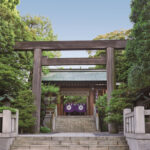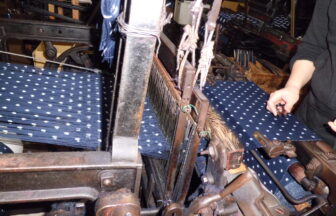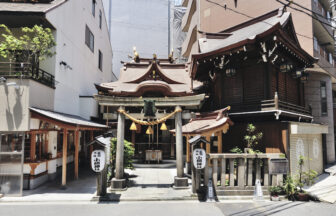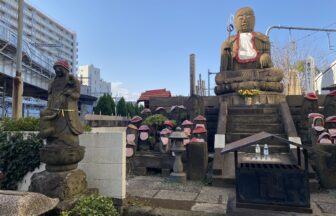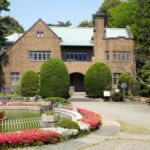
temple in honor of Daikokuten

temple (Buddhist)Ikebukuro/Akabane

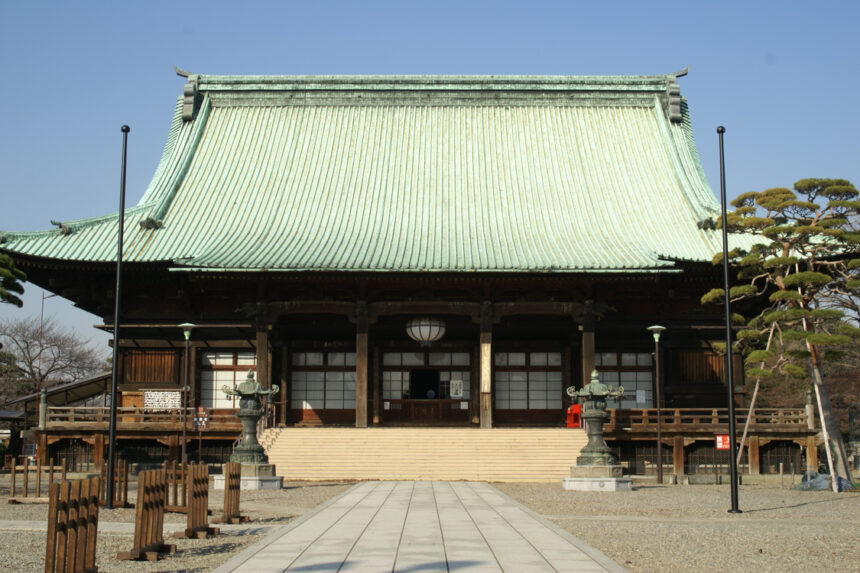
temple in honor of Daikokuten(Gokokuji-Temple)

important cultural property

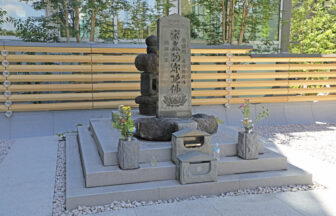
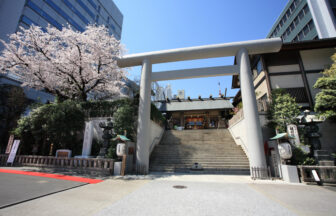
The temple is the head temple of the Toyozan sect of the Shingon Sect of Buddhism and was founded in 1681 at the behest of Keishoin, mother of Tsunayoshi Tokugawa, the fifth shogun of the Edo Shogunate. The main deity is the Nyoirin Kannon (Goddess of Mercy). Although many buildings were lost to fire during the Meiji and Taisho periods, the Kannon Hall (main hall), built in 1697, survived the disaster and is designated as a National Important Cultural Property. The cemetery contains the graves of many famous persons, including Sanjo Sanetomi, Yamagata Aritomo, and Okuma Shigenobu.

Spot OutlineOutline

address (e.g. of house) 5-40-1 Otsuka, Bunkyo-ku, Tokyo
Access Short walk from Gokokuji Station on the Subway Line, or short walk from Gokokuji-mae bus stop on the Toei Bus from JR Ikebukuro Station.

phone 03-3941-0764
Business Hours 9:00 – 16:00 (Closed at 12:00 – 13:00; may not be open for viewing due to events, etc.)
regular closing day nashi (Pyrus pyrifolia, esp. var. culta)
External Links

Official Web Site

Founding and opening of business 1681 (the first year of the Tennawa Era)

新着・おすすめ情報

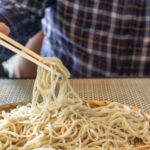
  1. 【第19回】家庭でも美味しく乾麺の蕎麦を茹でる方法

  2. sand pit

  3. just after fall

  4. A Walk in Edo with Old Maps] No. 6: Kagurazaka is full of historical attractions. From alleys where you can feel the Edo period to wooden buildings of the Showa period

  5. Kamiya Bar, the oldest bar in Japan, well-known for its Denki Bran, and its innovations through the ages.

  6. large building

  7. Innovation by “Shinseido”, creator of the unconventional and popular “Seppuku Monaka” product

  8. What innovations have been made at Nimben, a 321-year-old dried bonito flakes business?

  9. end of the year

  10. Ruins of Otama-ga-ike Pond

  11. What kind of doll is “Oyama Doll”? What is the origin of the name?

  12. A Walk in Edo with Old Maps] No. 2: Kyobashi and Ginza from the Edo Period to the Heisei Era Traced by Rivers

  13. sweet burdock and miso-bean paste covered with a thin layer of mochi

  14. beef sinew stewed in miso and mirin

  15. 【第16回】江戸蕎麦の流儀〜蕎麦の洗い方編〜