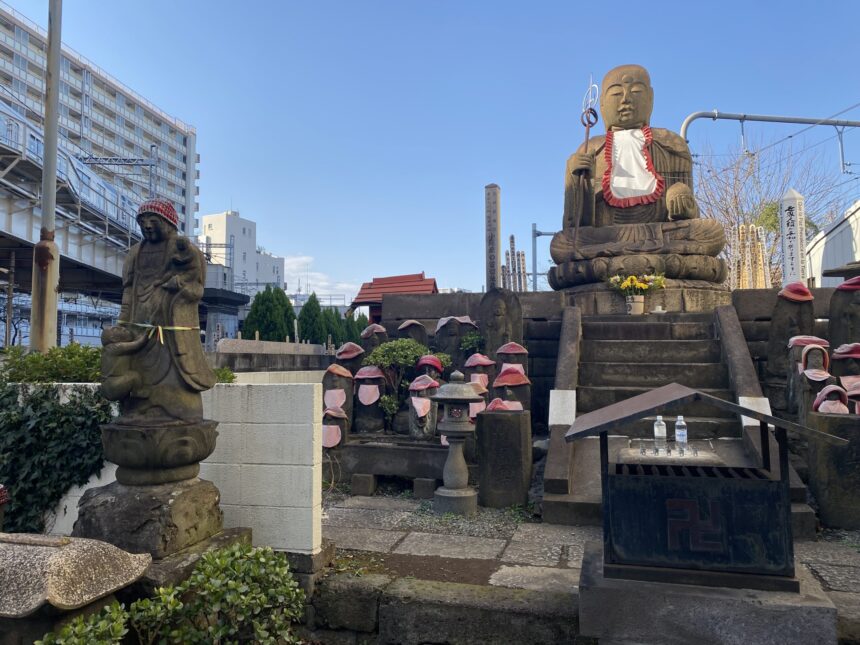
Enmeiji Temple, Jizo (a jizo that cuts off the head) / Kozukabara Penitentiary Site (Minami-Senju, Tokyo)

historic sitetemple (Buddhist)Ueno, Yanaka, Nippori

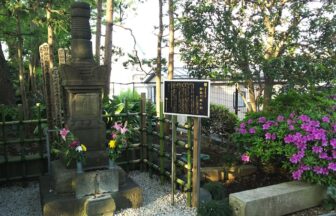
Enmeiji Temple, Jizo (a jizo that cuts off the head) / Kozukabara Penitentiary Site (Minami-Senju, Tokyo)(Kubikiri Jizo of Enmeiji Temple, Site of Kozukahara execution chamber)

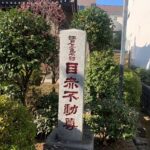
place of executionKozukahara Penitentiarydesignated cultural propertystone monument bearing an inscription (esp. memorial for future generations)Kubiki Jizo, the guardian deity of children

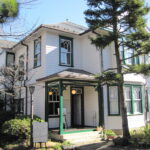
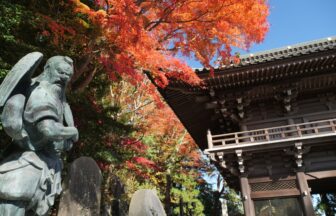
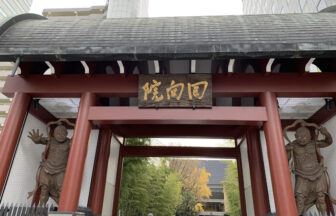
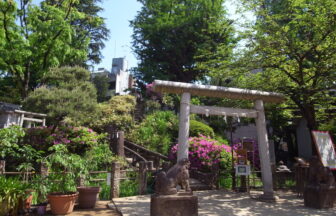
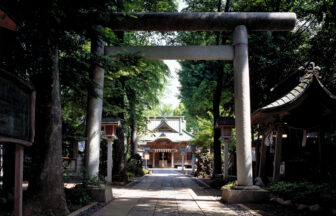
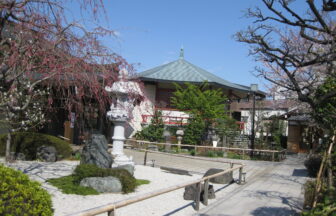
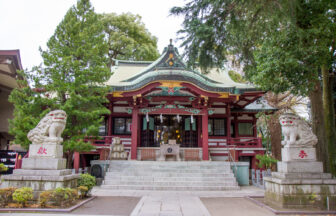
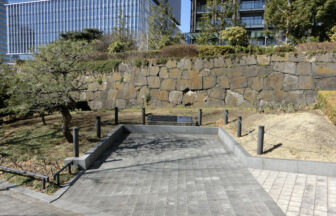
Enmeiji Temple is a temple of the Jodo sect, which became independent from Kozukabara Kaikyoin in 1982. This area was the site of the Kozukahara Penitentiary, where about 200,000 people were executed in the Edo period (1603-1867), along with the Suzugamori Penitentiary in Shinagawa, until it was abolished in the early Meiji period (1868-1912). It is a distinctive feature of the temple. The Jizo also served the role of mourning the souls of those who had fallen ill along the Nikko Kaido Road, in addition to providing peace of mind to criminals who had been sentenced to death. Since the Meiji Restoration, it has been worshipped by the local people as a Jizo that is beneficial for warding off calamities and curing illnesses.

Spot OutlineOutline

address (e.g. of house) 2-34-5, Minami-Senju, Arakawa-ku
Access 2 min. from JR and Subway Minami-Senju Sta.

phone 03-3807-0897
Founding and opening of business 1741

新着・おすすめ情報

  1. bone at the base of a fin

  2. stalk (of a mushroom, leaf, etc.)

  3. Mukojima Hyakkaen

  4. Daiba Park (Odaiba, Tokyo)

  5. mixture of boiled beans, jelly cubes, fruit pieces and molasses

  6. Kurume Kasuri

  7. Tokyo’s “Furyu Odori” is the talk of the town since it was selected as a UNESCO Intangible Cultural Heritage site! Tokyo’s “Furyu Odori” gathers in large numbers! Report on Tokyo Folk Performing Arts Festival

  8. For over 300 years in Nihonbashi, we have continued to develop products that meet the needs of the times. Long-established “Nimben” dried bonito flakes

  9. What does a “hair dresser” do? Series of Craftsmen Who Make Dolls

  10. Kiyosubashi Bridge (Kiyosumi-Shirakawa, Tokyo)

  11. Tokyo Literature Walk] No.5: Literary figures of the Showa period settled in Shimokitazawa one after another. Why Shimokitazawa became a town of culture

  12. Selecting the best materials for each application and finishing them with craftsmanship: the pride of the long-established “Edoya”, which has been in business for 300 years, in the creation of brushes and bristle brushes.

  13. Explanation of the contents of “Yomeiri Dougu Arrangement” [Decorating Hina Dolls].

  14. Long-established Tabi Shoes supported by all generations. Ohnoya Fuso-Honten” continues to make Tabi Shoes with all our hearts.

  15. Developing original materials with attention to detail, starting from the fabric. Shukusen, a long-established manufacturer of yukata loved by kabuki actors in the Edo period [Part 1