Former Asakura Residence

constructionShibuya, Daikanyama

Former Asakura Residence(Site of the Asakura Residence)

stroll garden with a central pondTaisho era (1912.7.30-1926.12.25)important cultural property

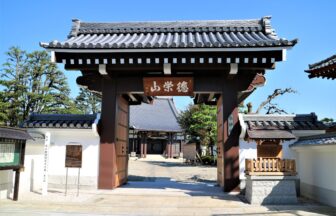
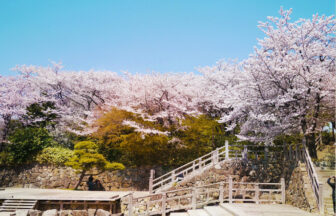
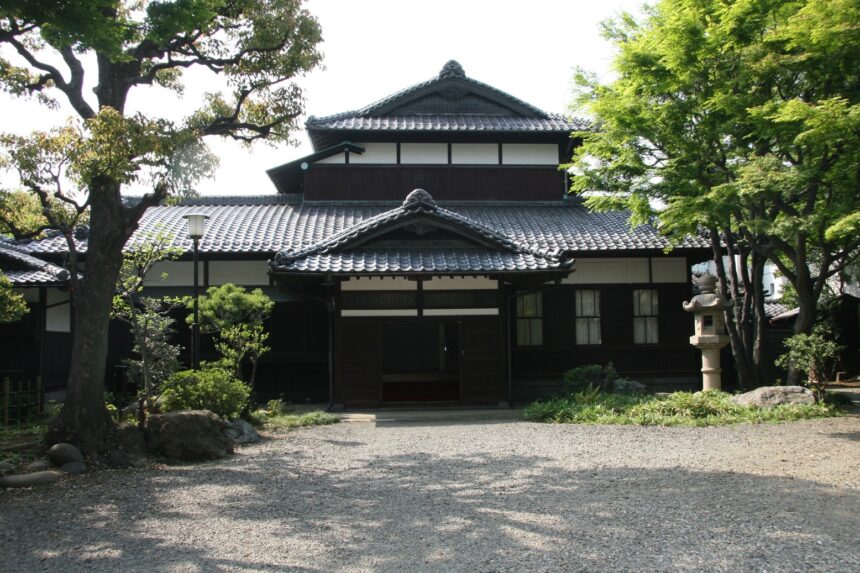
The former Asakura Residence was built in 1919 by Torajiro Asakura, who served as chairman of the Tokyo Prefectural Assembly and chairman of the Shibuya Ward Assembly. It features an atmospheric Taisho Period Japanese-style house and a circular garden built on the southern slope of Sarugakucho. The main house and storehouse are designated as Important Cultural Properties. In the garden, there are traces of the arbor and the water channel from the Sanda Irrigation Canal, and stone lanterns and other landscaping are placed in the garden. Incidentally, the adjacent Hillside Terrace complex is still owned and operated by the Asakura family.

Spot OutlineOutline

address (e.g. of house) 29-20 Sarugaku-cho, Shibuya-ku
Access 5 min. walk from Daikanyama Station on the Tokyu Toyoko Line

phone 03-3476-1021
Business Hours 10:00 – 18:00 (until 16:30 from November to February) *Entrance until 30 minutes before
regular closing day Mondays (or the immediately following weekday if Monday is a national holiday), year-end and New Year holidays (December 29 – January 3)
External Links

Official Web Site

Founding and opening of business 1919 (Taisho 8)

新着・おすすめ情報

  1. Tokyo Station Hotel (Marunouchi, Tokyo)

  2. With 670 years of history, yet unafraid of change. Shioze Sohonke” continues to innovate ambitiously.

  3. Shukusen, a dyed kimono store for yukata and Edo komon. What is the pride and confidence in the words “Shukusen Kansei”?

  4. 【第1回】蕎麦の実の殻を完全に取り除いて作る「江戸蕎麦」

  5. man’s formal divided skirt

  6. Why is the oak in “Kashiwa-mochi” said to symbolize the prosperity of descendants?

  7. Arisugawa-no-miya Memorial Park

  8. An arrow wheel is a windmill attached to the pole of a carp streamer. What is the meaning of the sound of its spinning?

  9. What is nigori sake? There are multiple types and flavors of nigori sake.

  10. various

  11. Shiba Grand Shrine (the inner shrine of Ise Shrine)

  12. Meaning of “buckwheat cutter

  13. Ruins of Otama-ga-ike Pond

  14. Mori Garden (Roppongi, Tokyo)

  15. What are “Ichimatsu Dolls”? It was made to resemble a certain Kabuki actor in the Edo period.