Meiji Shrine

Shinto shrineShibuya, Daikanyama

Meiji Shrine(Meiji-jingū)

first shrine visit of New Year

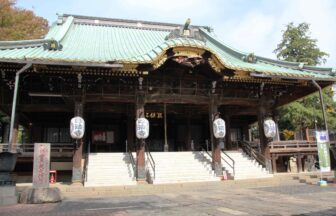
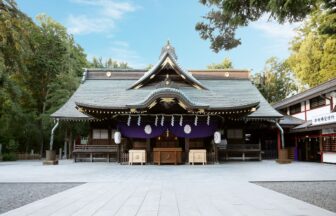
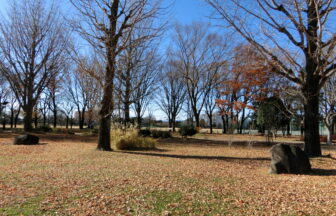
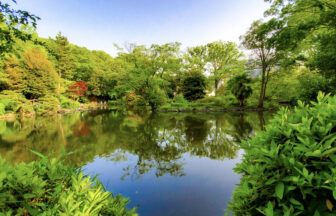
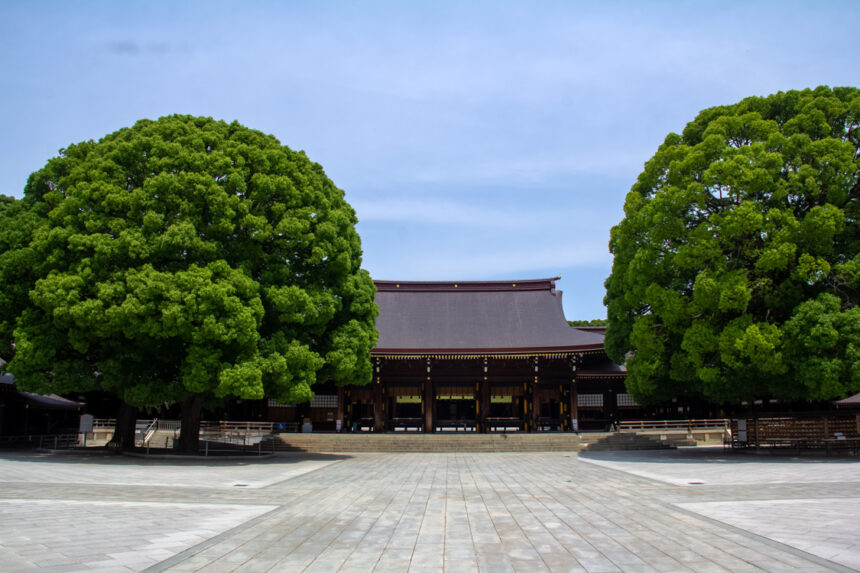
The shrine was founded in 1920 (Taisho 9) with Emperor Meiji and Empress Dowager Shoken as its deities. The shrine’s vast precincts, covering an area of approximately 700,000 square meters, are densely covered with trees, forming a “grove of the village shrine,” which was created by planting approximately 100,000 trees donated from all over the country for the construction of the shrine, and is a purely man-made forest. The shrine is famous for attracting the largest number of visitors to the shrine every year on Hatsumode (New Year’s visit), and a variety of festivals and events are held throughout the year. The temple also has a garden, museum, cafes, and other facilities, making it an oasis in the metropolis and one of Tokyo’s most popular tourist destinations for many people.

Spot OutlineOutline

address (e.g. of house) 1-1 Yoyogi-Kamizonocho, Shibuya-ku, Tokyo
Access 1 min. from JR Harajuku Station, 5 min. from JR Yoyogi Station, 1 min. from Meiji-jingumae Subway Station, 5 min. from Kitasando Subway Station, 3 min. from Sangubashi Station on Odakyu Line

phone 03-3379-5511
Business Hours Sunrise (opening gate) – sunset (closing gate) (hours vary each month)
regular closing day nashi (Pyrus pyrifolia, esp. var. culta)
External Links

Official Web Site

Founding and opening of business 1920 (Taisho 9)

新着・おすすめ情報

  1. soba cup

  2. Imperial Palace

  3. What is “Gyoku (sushi)”?

  4. What is the custom of Nagashi Hina? [Words of Hinamatsuri

  5. neckpiece (on a kimono)

  6. Denmacho Prison Residence Site (Jushikouen)

  7. Koyasan Tokyo Betsuin (Takanawa, Tokyo)

  8. undecorated fabric

  9. mound containing a monument to Shomon (i.e. a place of scenic beauty)

  10. Toyokawa Inari Tokyo Betsuin (Akasaka, Tokyo)

  11. The company has 25,000 followers on social networking sites! Nihonbashi Benshitsu Sohonten, Japan’s oldest bento shop that delivers the taste of a long-established shop while using modern tools.

  12. sweet dumpling made with mochi flour and (sometimes) millet flour (famous product of Okayama)

  13. A Walk in Edo with Old Maps] No.5: Traces of Edo Remain Strong in “Differences in Elevation” and “Town Names” in Ushigome and Ichigaya

  14. arms

  15. vinegared rice and sliced raw tuna wrapped in seaweed