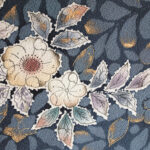
semi-formal kimono for women

Japanese clothing

semi-formal kimono for women(houmongi)

Japanese clothesclothing

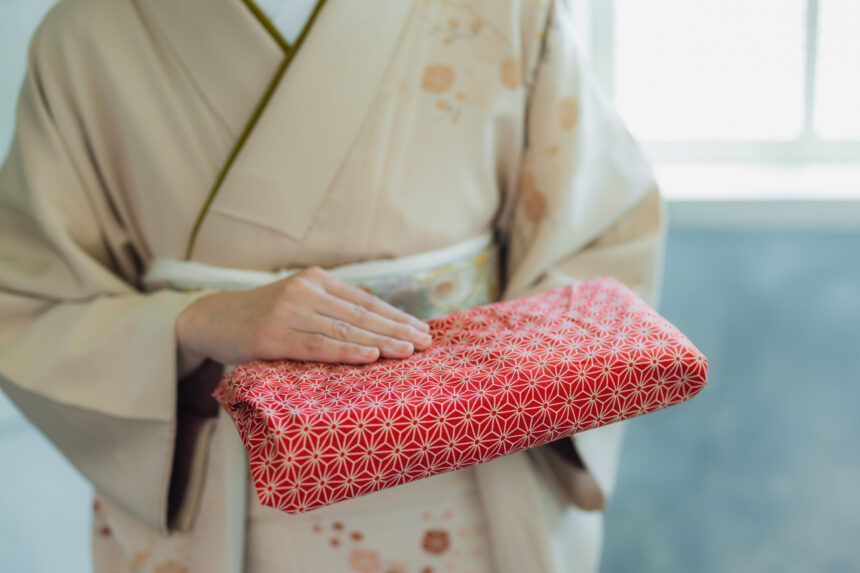
This kimono can be worn from formal to casual, regardless of age or marital status. The kimono is decorated with an eba pattern that connects all the patterns on the shoulders, chest, sleeves, waist, and hem. The patterns range from classic to modern abstract, and there are no particular rules. From around the end of the Taisho period (1912-1926), it was made as a going-out kimono and came to be called a visiting kimono. It is second in rank to tomesode and is considered semi-formal or informal formal wear. It can be worn for New Year’s Day, New Year’s tea ceremonies, recitals, theater and music concerts with friends, and other occasions.

新着・おすすめ情報

  1. 【第23回】蕎麦屋店主が考える真の蕎麦「通」の定義

  2. Nogi Shrine (Akasaka, Tokyo)

  3. Koishikawa Botanical Garden

  4. Tomioka Hachimangu Shrine

  5. Noge-Otsuka Tomb (Setagaya, Tokyo)

  6. 麻布・赤坂・六本木

  7. Japanese sweets in the form of long blocks (e.g. yokan, uiro)

  8. Setagaya Joshi Park (Setagaya, Tokyo)

  9. They also restore ancient musical instruments used in traditional performing arts. Okadaya Fuse’s Struggle to Preserve Traditional Japanese Culture

  10. bones left after cremation (esp. those of a Buddha or Boddhisatva)

  11. Yagenbori Fudoin (Nihonbashi, Tokyo)

  12. He started helping out in the family business as a child and went on to become a part of it. Kimuraya Honten, Asakusa’s oldest doll-shaped yaki store

  13. common variety of women’s kimono sash

  14. Kaiseki cuisine “Hachisun”, what is served on what occasion?

  15. Nezu Shrine (Nezu, Tokyo)