undecorated fabric

Japanese clothing

undecorated fabric(iromuji)

Japanese clothesclothing

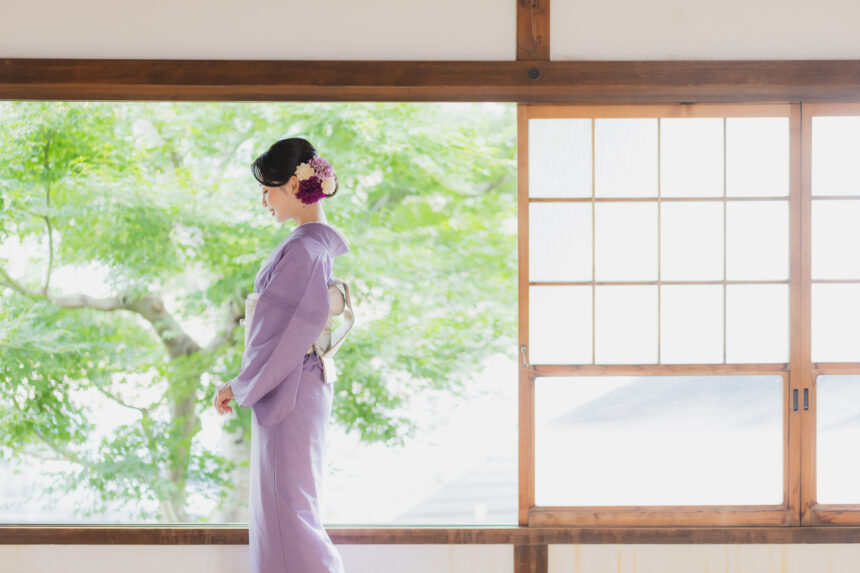
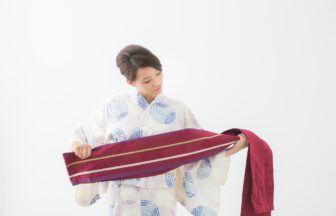
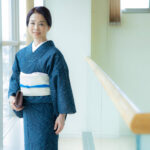
A kimono made of white fabric dyed in one color other than black. There is no pattern or design, but it has various ground patterns. Depending on the presence or absence of a crest and the matching obi, it can be worn as semi-formal attire or as a fashionable dress. Light-colored kimonos can be worn to a friend’s wedding, a child’s visit to the shrine, an entrance or graduation ceremony, or a tea ceremony, while darker or colder-colored kimonos can be worn to a Buddhist service as semi-religious dress. They are easy-to-use kimonos that can be used in a wide range of situations.

新着・おすすめ情報

  1. 【第28回】蕎麦のつなぎに小麦粉を使用する理由

  2. Ruins of Kira Residence (Honjo Matsuzaka-cho Park)

  3. 浅草

  4. Tsutanoya” was established in 1937 and supports Japan’s fish-eating culture with its delicious taste. What is “Kyoka-zuke”, an evolution of Saikyo-zuke?

  5. Note that the contents of “soup” differ between kaiseki and kaiseki cuisine.

  6. Otomeyama Park (Takadanobaba, Tokyo)

  7. Seppuku monaka” and “Keikyuu monaka” …… “Shinshodou” produces wagashi that are both humorous and delicious.

  8. Developing original materials with attention to detail, starting from the fabric. Shukusen, a long-established yukata manufacturer loved by kabuki actors in the Edo period [Part 2

  9. Shiba Grand Shrine (the inner shrine of Ise Shrine)

  10. Four long-established restaurants specializing in nabe cuisine! 4 long-established restaurants specializing in hot pot dishes Let’s enjoy the taste of that famous restaurant by order!

  11. Hanazono Shrine

  12. swallowing a great amount of tea or medicine

  13. To make Japanese “tea culture” widely known. Flexibility of “Gyokuho-Do” to change with the times.

  14. Asukayama Park

  15. What does “Tenko” mean? Explanation of the meaning of this doll