ridges on a blade (sword, knife, etc.)

armour

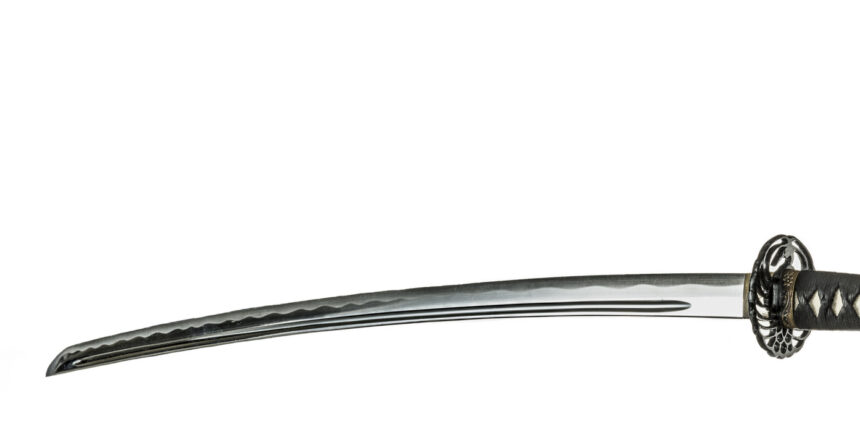
ridges on a blade (sword, knife, etc.)(shinogi)

Japanese sword

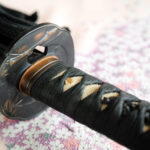
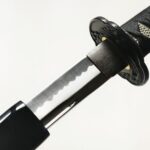
The high, vertical line running between the blade and the mune on the side of the sword blade. This line is called “Shinogi-suji. The blade of a sword with shinogi-suji is thinner and lighter. This makes the blade sharper and easier to handle in battle.
This technique of making the blade thinner and lighter makes the blade sharper and easier to handle in battle. Originally, the focus was on “thrusting” attacks with a straight sword without Shinogi, but this changed to “stroking and cutting” attacks with a swinging sword, and the sharpness and lightness of the blade, as described above, came to be demanded. If the blade is made thin all over, it is more likely to break, but by leaving a thicker section with Shinogi, the blade can remain sturdy and resistant to breakage.
The term “sharpen Shinogi-” is derived from the fact that the two blades are so close to each other that their Shinogi-line touches each other, and the word “sharpen” is used to describe the fierce struggle between them.

新着・おすすめ情報

  1. Komagata Dozeu, a famous restaurant with a history of more than 200 years, serves dojo cuisine.

  2. 【第8回】江戸時代から語られるぶっかけの由来と食べ方指南

  3. Tsukiji Catholic Church (Tsukiji, Tokyo)

  4. underskirt (half-slip), worn under kimono

  5. What does a “dresser” do? Craftsmen who make dolls series

  6. 【第16回】江戸蕎麦の流儀〜蕎麦の洗い方編〜

  7. Yamamoto-Tei (aristocratic group of pious men)

  8. just after fall

  9. sake specially produced without added alcohol or sugar

  10. short sword

  11. The 2nd “Sake Samurai”s Tour of Tokyo’s Long-established Sake Breweries with Yuki Aoi

  12. Where does “Mikosui” come from? What are its characteristics? Words related to sake

  13. What does a “prop maker” do? The Craftsman Who Creates Puppets Series

  14. Tokyo Metropolitan Teien Art Museum

  15. Inari Onio Shrine (Shinjuku, Tokyo)