dagger

armour

dagger(katana)

Japanese sword

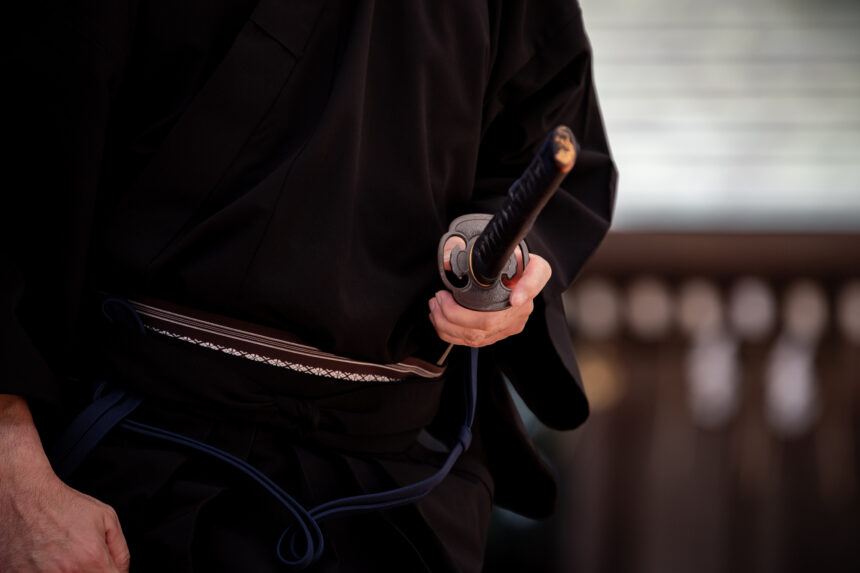
Originally, the term “sword” was used to refer to all Japanese swords, including the tachi, uchigatana (sword), wakizashi (sword), and tanto (short sword), but since the Muromachi period (1333-1573), only the uchigatana has been referred to as a sword. The uchitō is a sword evolved from the tachi, with a blade length of approximately 2 shaku 3 sun to 2 shaku 4 sun (70-73 cm). During the Muromachi period (1333-1573), warfare shifted from one-on-one cavalry battles to group battles (kachi ikusa), and the uchigatana was created as a shorter sword with a shallower warp than the tachi so that the blade could be quickly removed from its sheath when fighting the enemy in front of one’s eyes. It is characterized by the fact that it is carried in a waist belt with the blade facing upward.

新着・おすすめ情報

  1. Zoshigaya Kishimojin Hall

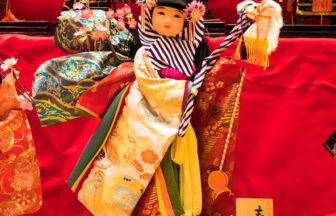
  2. Gosho Ningyo” was a gift to the Imperial Palace. Also known as “Hai Hai” and “White Meat Dolls.

  3. Japanese Food Manners You Should Know. Sashimi, Sushi, Tempura, Yakimono…… explained by cuisine.

  4. Tokyo Metropolitan Teien Art Museum

  5. bones left after cremation (esp. those of a Buddha or Boddhisatva)

  6. Sword eyelets become one-of-a-kind accessories. Nihon Katana, a long-established store specializing in swords that you can enjoy even if you are not an enthusiast.

  7. Tokyo Literature Walk] No.5: Literary figures of the Showa period settled in Shimokitazawa one after another. Why Shimokitazawa became a town of culture

  8. underskirt (half-slip), worn under kimono

  9. What does a “dresser” do? Craftsmen who make dolls series

  10. Okadaya Fuse” has a history of 188 years.

  11. common variety of women’s kimono sash

  12. Seppuku monaka” and “Keikyuu monaka” …… “Shinshodou” produces wagashi that are both humorous and delicious.

  13. Sticking to domestically produced raw materials, each tooth is spun by hand. The commitment of the long-established “Juso Yakushi-ten” (Juso Yakushi Shop)

  14. Ginza Matsuzaki Senmochi, a long-established shop, depicts tradition and innovation with its signature product “kawara senbei” (tile rice cracker).

  15. Where does “Mikosui” come from? What are its characteristics? Words related to sake