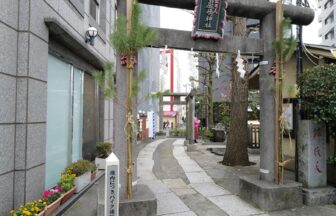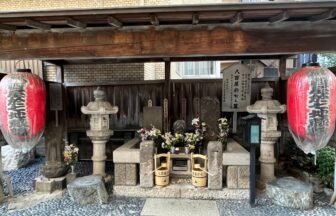
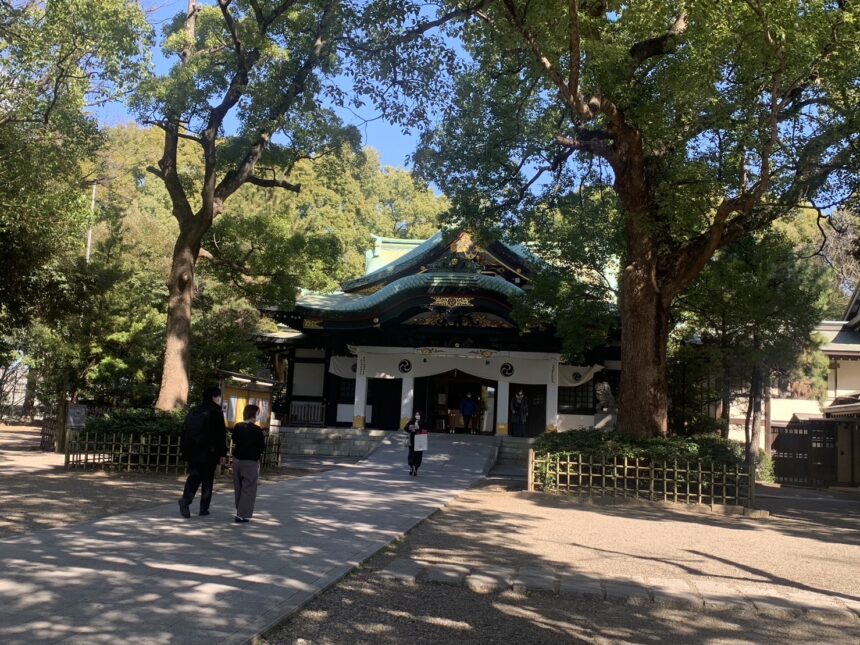
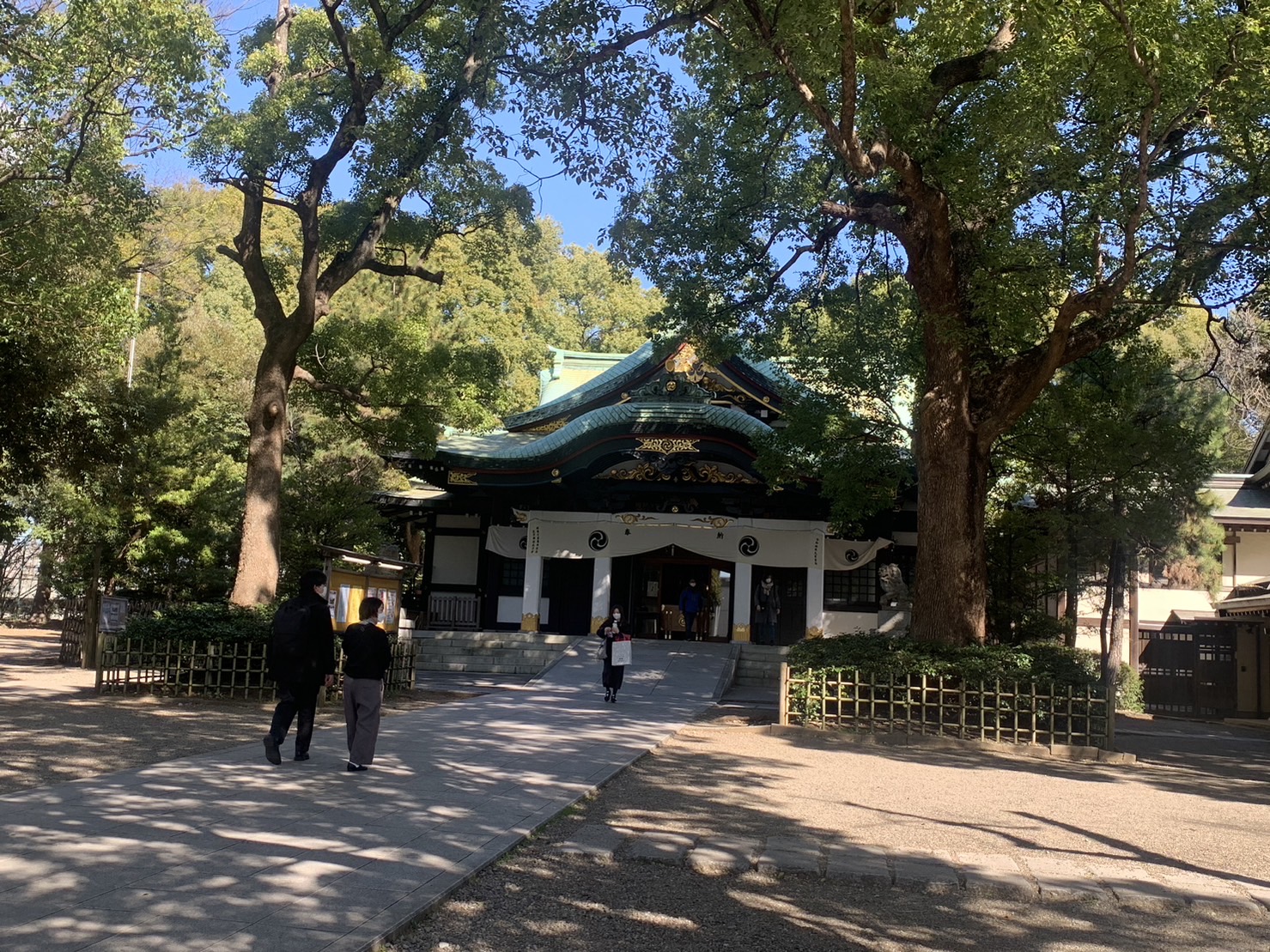
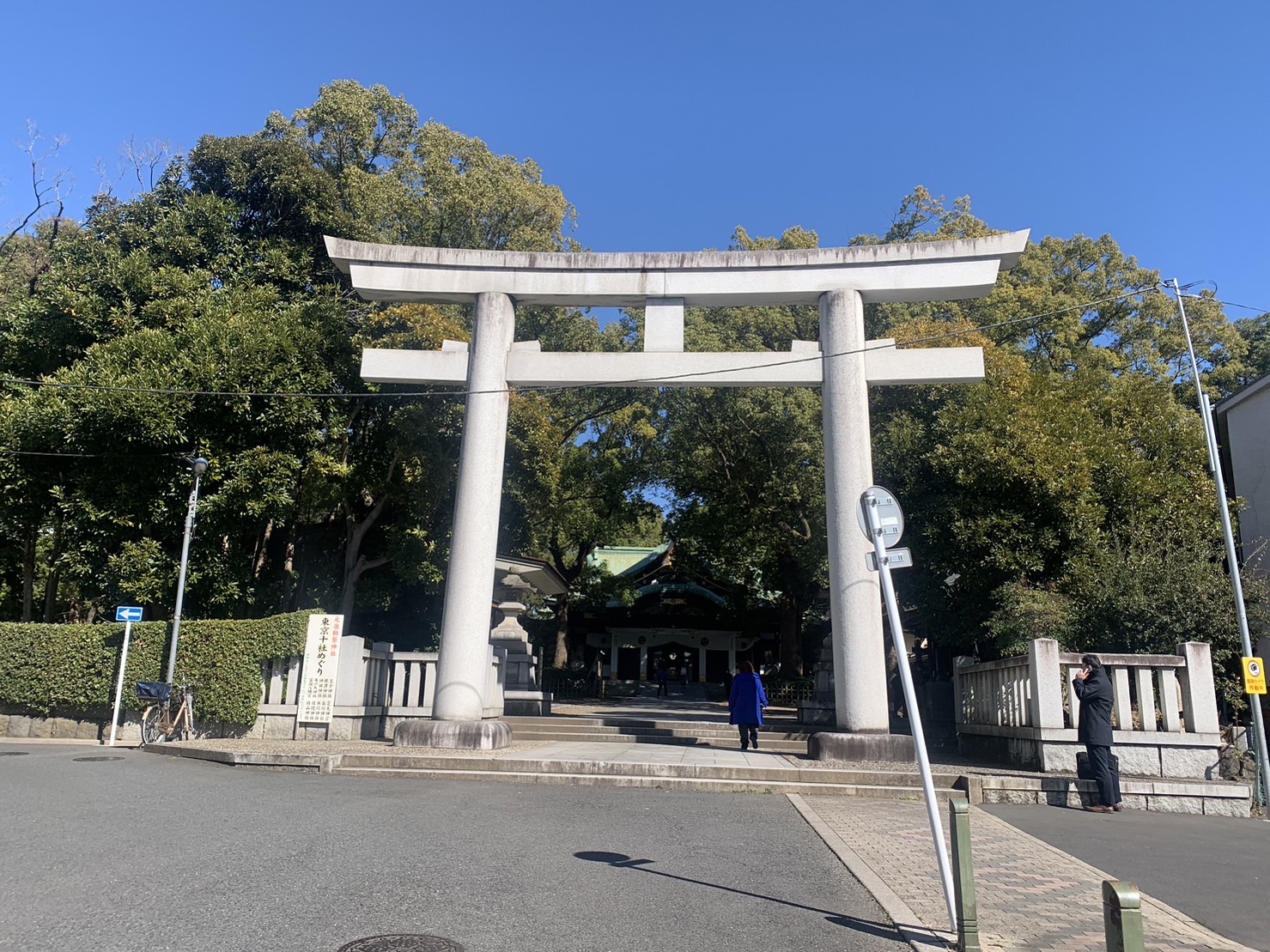
Oji Shrine (Oji, Tokyo)

Shinto shrineIkebukuro/Akabane

Oji Shrine (Oji, Tokyo)(Oji Jinjya Shrine)

prayer for safe deliveryTokugawa Iemitsu

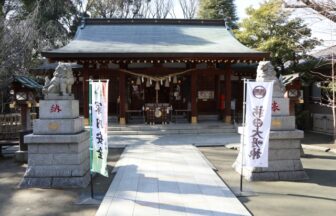
Oji Shrine is dedicated to five deities: Izanagi no Mikoto, Izanami no Mikoto, Amaterasu no Mikami, Hayatama no Mikoto, and Kotosaka no Mikoto. These deities are collectively known as “Oji-Omikami,” as they are the offspring of the Kumano deity of Kishu. Oji Shrine is also famous for its blessings for child rearing, as there is an anecdote that during the Edo period, Iemitsu’s nanny prayed for the health and great success of Tokugawa Iemitsu, who had been sickly as a child. Many people visit the shrine to pray for childbirth, safe delivery, the first visit to the shrine, and the seven-five-three-three festival, etc.

Spot OutlineOutline

address (e.g. of house) 1-1-12 Ojihoncho, Kita-ku, Tokyo
Access 3 min. from JR or Subway Oji Sta.
phone 03-3907-7808
Business Hours 9:00-17:00 (shrine office)
External Links

Official Web Site

Founding and opening of business 1322 (Genkou 2)

新着・おすすめ情報

  1. What are the characteristics of Edomae Sushi?

  2. sweet yuzu-flavoured steamed dumpling

  3. Jiyu Gakuen Asutumu-kan (Ikebukuro, Tokyo)

  4. When did the Hina Matsuri (Peach Festival) begin?

  5. What is the temperature of “hot sake?” Explaining the Temperature of Heated Sake [Words Related to Sake].

  6. Explanation of the contents of “Yomeiri Dougu Arrangement” [Decorating Hina Dolls].

  7. Yamamoto Nori Store, a long-established business with a 170-year history, has created an innovation that allows people to taste freshly baked laver.

  8. method of patterning traditional Japanese clothing (the tops of all of patterns being pointed downwards)

  9. Matsui Sake Brewery once closed. A closer look at the creative sake brewing process at the revived brewery.

  10. long sword

  11. What does a “hair dresser” do? Series of Craftsmen Who Make Dolls

  12. Chomeiji Temple (Mukojima, Tokyo)

  13. Developing original materials with attention to detail, starting from the fabric. Shukusen, a long-established yukata manufacturer loved by kabuki actors in the Edo period [Part 2

  14. type of informal katakana worn in the Edo period

  15. Musashi Ontake Shrine (Ome, Tokyo)