Ome Shinmachi Oido (Ome, Tokyo)

historic ruins (remains, relics)Higashimurayama, Ome, Okutama

Ome Shinmachi Oido (Ome, Tokyo)(Omeshinmachi Big Well)

water wellTokyo Metropolitan Government-designated Historic Site

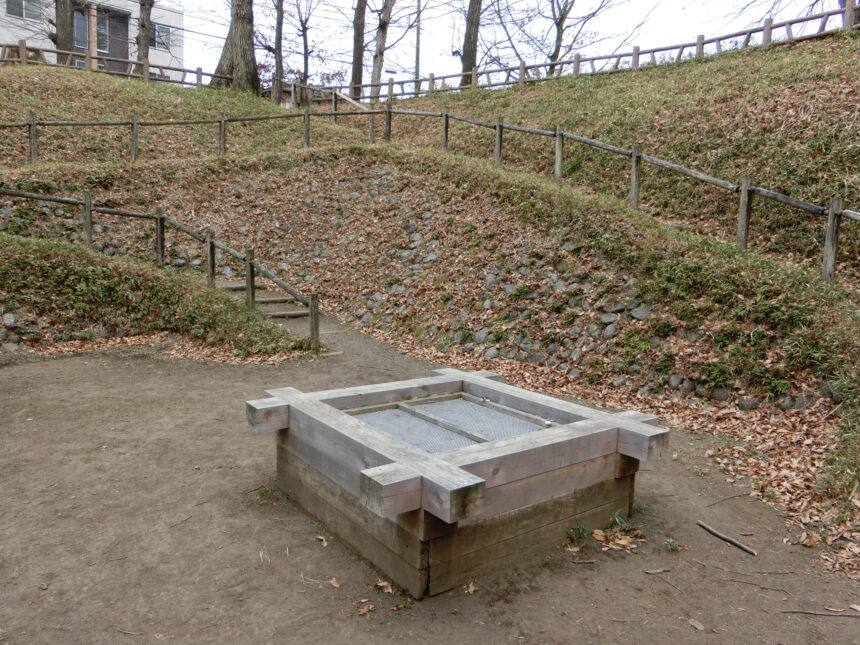
It is one of the largest wells in Japan and is located in Oido Park. In order to obtain water from deep underground on the Musashino Plateau, where water supply is poor, a large mortar-shaped hole was dug and a well was dug at the bottom of the hole. The well is similar to the “maimaizu wells” (maimai = snail) that are common on the Musashino Plateau, and is thought to have been excavated in the Middle Ages. Based on the results of the excavation, a restoration project was undertaken. The site is designated as a historic site by the Tokyo Metropolitan Government. (Image courtesy of Ome City Folk Museum)

Spot OutlineOutline

address (e.g. of house) 2-27 Shinmachi, Ome City, Tokyo (in Oido Park)
Access 30-minute walk from Kawabe Station on the JR Ome Line; 2-minute walk from Shinmachi Tenjinja-mae bus stop (bound for Hanakoganei Station North Exit) from Kawabe Station Iriguchi bus stop, a few minutes’ walk from the north exit of Kawabe Station on the JR Ome Line

phone 0428-23-6859 (Ome City Folk Museum Administration Section)
Business Hours 9:00~17:00
regular closing day Mondays (if Monday is a national holiday, the museum is open to the public and closed on the following weekday), year-end and New Year’s holidays
External Links

Official Web Site

Founding and opening of business Muromachi – Azuchi-Momoyama Period

新着・おすすめ情報

  1. Honshiba Park (Tamachi, Tokyo)

  2. Shiobune Kannonji Temple (Ome, Tokyo)

  3. purple

  4. Shinagawa Shrine (Kita-Shinagawa, Tokyo)

  5. Suzuki Ruins Museum

  6. bush

  7. showy collar

  8. mochi containing red bean paste

  9. ramen

  10. Kazari-uma” decorated on Children’s Day. What kind of vehicle is the white horse considered to be?

  11. What are the roles of the “three courtesans”? What do each of them bring with them?

  12. brewer’s rice

  13. Otomeyama Park (Takadanobaba, Tokyo)

  14. 【第20回】家庭でも美味しく生麺の蕎麦を茹でる方法

  15. Hikarimono (sushi)