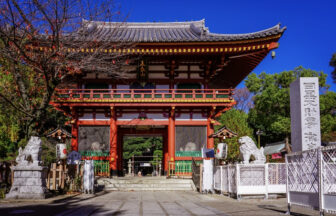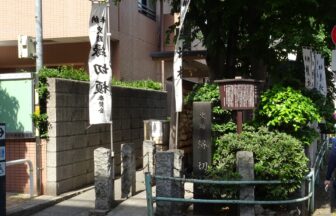
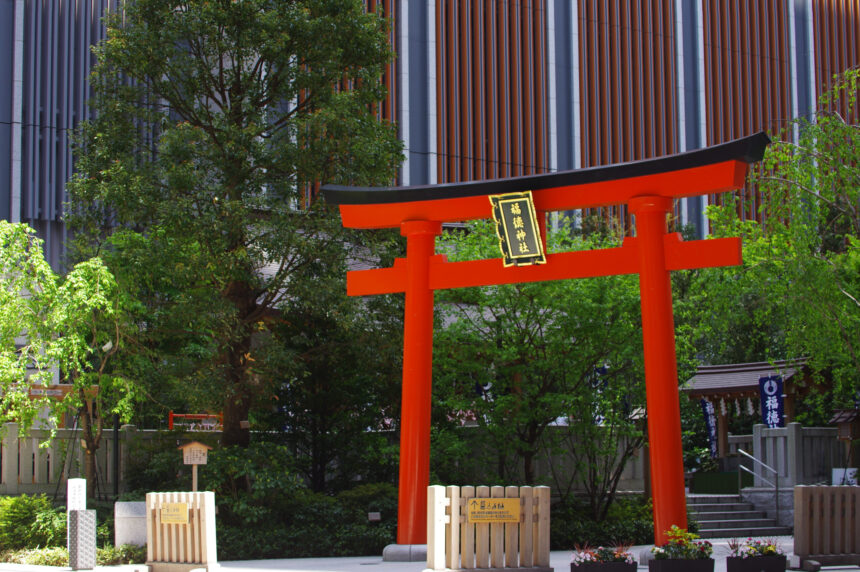
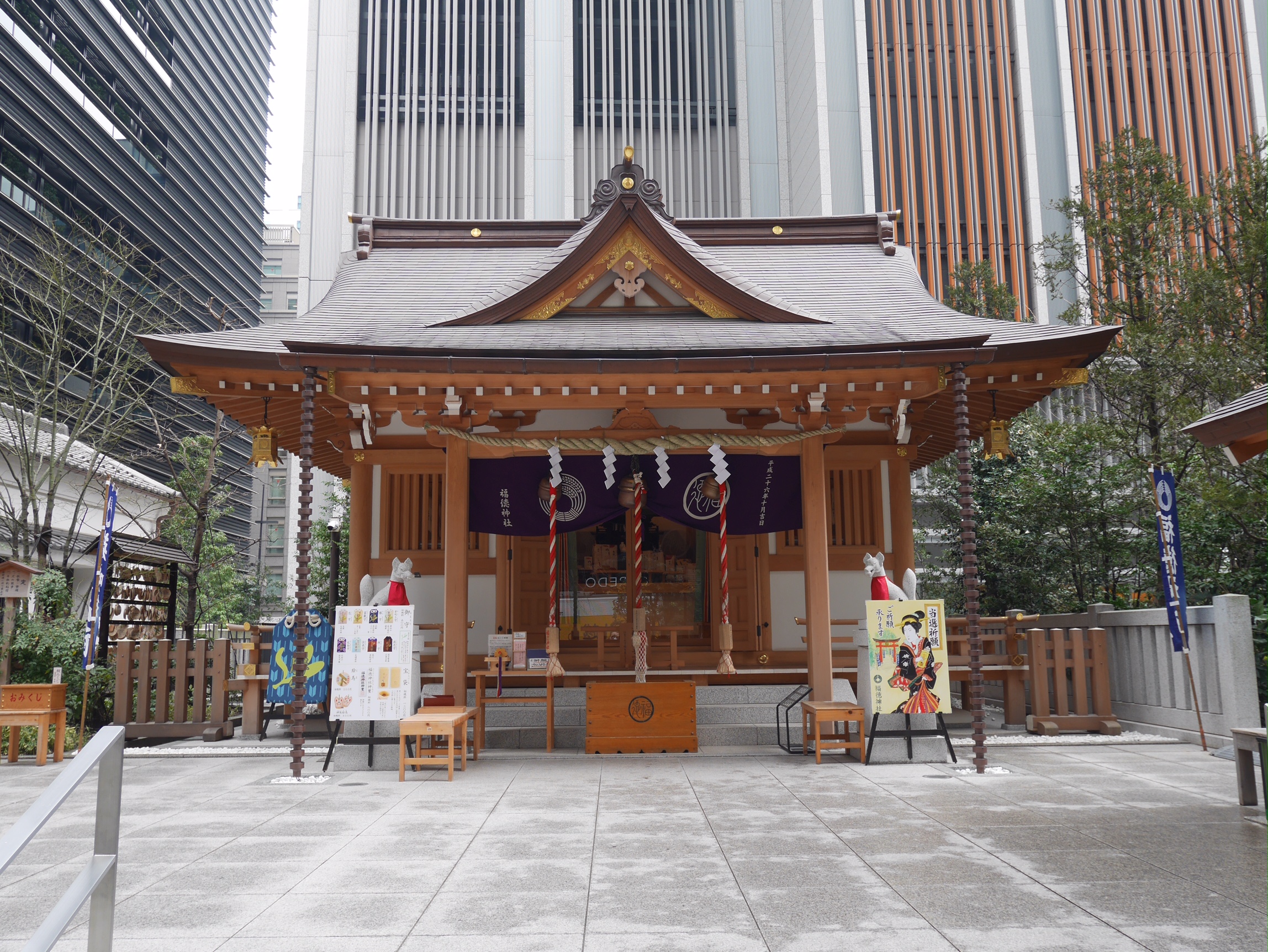
Fukutoku Shrine Meibuki Inari (Nihonbashi, Tokyo)

Shinto shrineNihonbashi (bridge)

Fukutoku Shrine Meibuki Inari (Nihonbashi, Tokyo)(Fukutoku Shrine Mebuki Inari)

ticketlottery

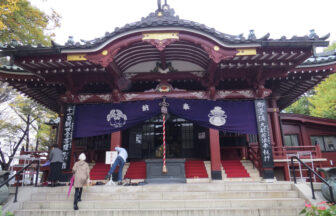
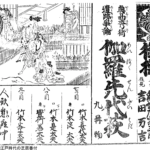
The shrine is located adjacent to the COREDO Muromachi complex in Nihonbashi. Although the date of its establishment is unknown, it is said to have already existed here during the Jougan period (859-876), and was visited by Ota Doukan and Tokugawa Ieyasu. It was one of the few shrines that sold “Fuzokuji” (the predecessor of lottery tickets) in the late Edo period (1603-1868), and was famous for its good fortune in winning large sums of money. Because of this, the shrine is still famous today for its prayers for winning lotteries and for winning tickets. The “Ticket Winning Prayer Festival” is held at the request of fans who wish to win tickets, and the “Tomikuji Mamori” amulet for winning tickets is also popular.

Spot OutlineOutline

address (e.g. of house) 2-4-14 Nihonbashi-Muromachi, Chuo-ku, Tokyo
Access Approximately 1 minute walk from Subway Mitsukoshimae Station

phone 03-3276-3550
Business Hours Awarding office 9:00-17:00, red seals are available from 10:00-15:00.
External Links

Official Web Site

新着・おすすめ情報

  1. Kimono is an SDG costume. Unused clothes and tenugui (hand towels) can be used as obi sashes.

  2. yukata (light cotton kimono worn in the summer or used as a bathrobe)

  3. Asukayama Park

  4. Aoyama Cemetery (Minami Aoyama, Tokyo)

  5. 【第6回】9月に当店で「生姜切りそば」を出す理由

  6. being badly influenced by

  7. What does “Tenko” mean? Explanation of the meaning of this doll

  8. Tokyo Grand Shrine

  9. Can you guess what are the five colors of the “fukiage” that is attached to the top of the carp streamer?

  10. swallowing a great amount of tea or medicine

  11. Kameido Tenjinja “Uso-Kae-Jinjitsu” (annual religious ceremony to exchange Japanese bullfinch bullfinch bullfinch birds)

  12. A Walk in Edo with Old Maps] No. 6: Kagurazaka is full of historical attractions. From alleys where you can feel the Edo period to wooden buildings of the Showa period

  13. well-established

  14. What is kaiseki ryori? What is the difference between kaiseki ryori and kaiseki cuisine, and which is eaten at a tea ceremony?

  15. common variety of women’s kimono sash