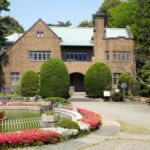
Chomeiji Temple (Mukojima, Tokyo)

temple (Buddhist)Ryogoku/Kameido

Chomeiji Temple (Mukojima, Tokyo)(Choumeiji-Temple)

Seven Gods of FortuneTokugawa IemitsuwalkMatsuo Basho (sect of Zen Buddhism)rice cake with bean paste wrapped in a preserved cherry leaf

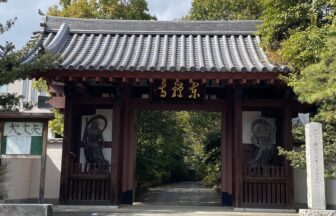
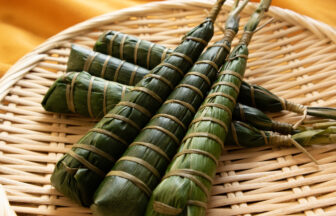
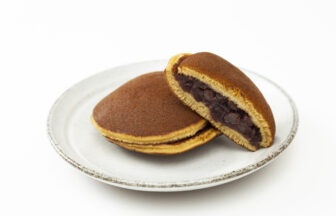
The temple is said to have been built around 1615 and is the head temple of Enryakuji Temple on Mt. During the Kan’ei period in the Edo period (1603-1868), the third shogun, Tokugawa Iemitsu, visited this area on a falconry trip and suffered from a stomachache. In addition to the Chomei-sui stone inscription and the restored well, many stone monuments can be seen on the temple grounds, including a haiku monument by Matsuo Basho and the graves of famous people. Benzaiten, one of the seven gods of good fortune of the Sumida River, is also enshrined in the main hall. Since the Edo period (1603-1868), the temple has been famous for “Chomeiji Cherry Blossom Rice Cake” in front of the gate.

Spot OutlineOutline

address (e.g. of house) 5-4-4 Mukojima, Sumida-ku, Tokyo
Access 10-minute walk from Tobu Isezaki Line Hikifune Station.

phone 03-3622-7771
regular closing day nashi (Pyrus pyrifolia, esp. var. culta)
External Links

Official Web Site

Founding and opening of business Circa 1615

新着・おすすめ情報

  1. Ruins of Suzugamori Penitentiary (Omori, Tokyo)

  2. Chidorigafuchi (fountainhead)

  3. Minori Kai] 7 souvenirs from long-established shops in Tokyo that you want to give with a story.

  4. Shimotani Shrine

  5. Sainenji Temple (Tomb of Hattori Hanzo) (Yotsuya, Tokyo)

  6. Tama Cemetery (Fuchu, Tokyo)

  7. A Walk in Edo with Old Maps] No.5: Traces of Edo Remain Strong in “Differences in Elevation” and “Town Names” in Ushigome and Ichigaya

  8. 【第24回】海苔と海苔を使った蕎麦メニューの歴史

  9. Japanese yam (Dioscorea japonica)

  10. Eagle Shrine

  11. Tokyo Literature Walk] No.3: Waseda Area. Soseki Natsume and Waseda University, a journey tracing the scent of modern literature and culture

  12. Setagaya Joshi Park (Setagaya, Tokyo)

  13. Kamiya Bar, the oldest bar in Japan, well-known for its Denki Bran, and its innovations through the ages.

  14. Developing original materials with attention to detail, starting from the fabric. Shukusen, a long-established manufacturer of yukata loved by kabuki actors in the Edo period [Part 1

  15. stalk (of a mushroom, leaf, etc.)