Sekiguchi Bashoan (Waseda, Tokyo)

Parks & GardensOchanomizu, Yushima, Korakuen

Sekiguchi Bashoan (Waseda, Tokyo)(Sekiguchi Basho-an Garden)

Matsuo Basho (sect of Zen Buddhism)

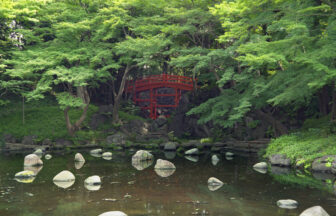
This is the land where Matsuo Basho, one of the most famous haiku poets of the Edo period, lived for three years from 1677 (Enpo 5). Before embarking on his famous journey to write “Oku no Hosomichi” (The Narrow Road to the Deep North), Basho is said to have been involved in the renovation of the Kanda Waterworks, and since he lived here for that purpose, a hermitage called “Ryugin-an” was built by people who admired Basho. The building was destroyed by fire, but was rebuilt after the war. The grounds are overgrown with more than 500 species of plants, including a large ginkgo tree that has remained from the time Basho lived here, and raccoon dogs are said to be present depending on the season. Hyotan-ike Spring has also been selected as one of the 57 best springs in Tokyo.

Spot OutlineOutline

address (e.g. of house) 2-11-3 Sekiguchi, Bunkyo-ku
Access 15 min. walk from Edogawabashi Subway Station

phone 03-3941-1145
Business Hours 10:00~15:00
regular closing day Monday, Tuesday
External Links

Official Web Site

Founding and opening of business 1726 (Kyoho 11)

新着・おすすめ情報

  1. Ruins of Hachioji Castle

  2. (silk) crepe

  3. Former Iwasaki Residence

  4. unlined kimono

  5. Tomioka Hachimangu Shrine

  6. 日本橋

  7. Honmyoji Temple (Sugamo, Tokyo)

  8. Taisyuji Temple (Shinjuku, Tokyo)

  9. 【第10回】なぜ蕎麦は「細くて長い」が定着したのか

  10. Interview with Kotaro Ishikawa of Ishikawa Tortoiseshell Works, a company that connects traditional Edo tortoiseshell techniques and further promotes the Edo Tokyo brand .

  11. marks indicating the Japanese meaning of the texts of Chinese classics

  12. skewered eel roasted and wrapped in fried egg

  13. Chimaki” eaten on Dragon Boat Festival. What is the origin of the name?

  14. Shimotani Shrine

  15. mochi containing red bean paste