Mori Garden (Roppongi, Tokyo)

Parks & GardensOK with childrenAzabu, Akasaka, Roppongi

Mori Garden (Roppongi, Tokyo)(Mouri Garden)

shoppingdaimyo’s main Tokyo mansionJapanese-style garden

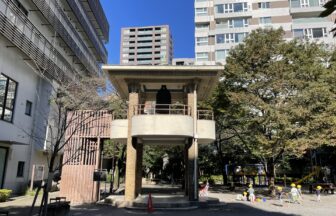
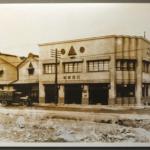
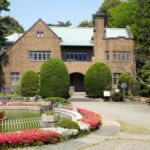
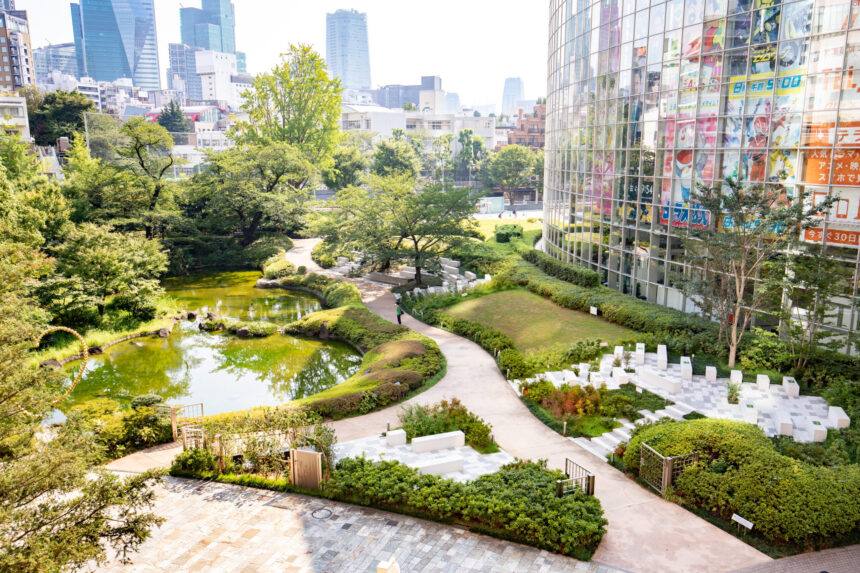
A circular Japanese garden located on the grounds of Roppongi Hills. Until the end of the Edo period (1603-1867), this area was the residence of the Mori family, lords of the Chofu domain. In the Meiji period (1868-1912), it became the residence of Rokuichiro Masushima, founder of Chuo University, and after the war, it became the Tokyo factory of Nikka Whiskey Co. The 4,300-square-meter site is filled with cherry blossoms, ginkgo trees, and other seasonal plants, making it a place of relaxation for visitors. Another attraction of the park is that visitors can look into the pond and see the descendants of “space killifish,” which astronaut Mamoru Mohri brought back to space, swimming in the pond.

Spot OutlineOutline

address (e.g. of house) Roppongi Hills, 6-10-1 Roppongi, Minato-ku, Tokyo
Access Approximately 5 minutes from Roppongi Subway Station

phone 03-6406-6000
Business Hours Store 11:00-20:00 / Restaurant 11:00-23:00
External Links

Official Web Site

Founding and opening of business 2003 (Heisei 15)

新着・おすすめ情報

  1. box lunch (containing rice and 10-15 small portions of fish, meat, and vegetables)

  2. New Year’s gift (usu. money given to a child by relatives and visitors)

  3. Ruins of Katsunuma Castle (Ome, Tokyo)

  4. Nitta Shrine (Musashishinden, Tokyo)

  5. For over 300 years in Nihonbashi, we have continued to develop products that meet the needs of the times. Long-established “Nimben” dried bonito flakes

  6. What kind of doll is “Oyama Doll”? What is the origin of the name?

  7. Hie Shrine (in Kyoto)

  8. What is “Nishiki-Tamago”? What is the origin of its name?

  9. midst

  10. Hotel New Otani, Tokyo, Japan

  11. Preserving Kimono Culture through Tabi Shoes. What is the goal of the long-established Tabi Shoes shop “Ohnoya Fuso-Honten”?

  12. Smoked Saikyo pickles have evolved into a snack for alcoholic beverages. The insatiable spirit of challenge at the long-established “Tsuta-no-ie

  13. What is the origin of the name “Gohyakumangoku,” rice suitable for sake brewing? Words related to Sake

  14. To make Japanese “tea culture” widely known. Flexibility of “Gyokuho-Do” to change with the times.

  15. You can do it by yourself! How to tie a yukata obi – Butterfly knot