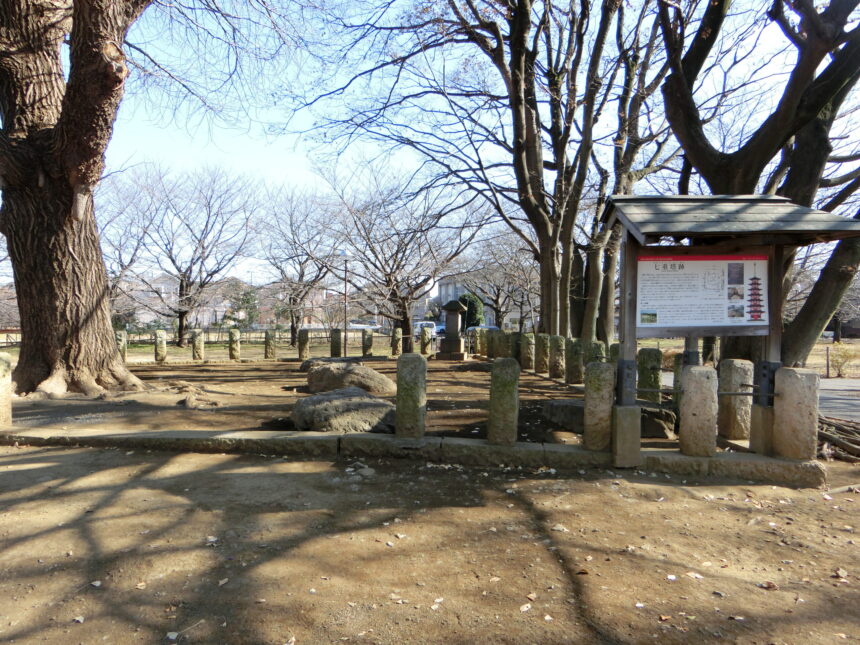
Ruins of Musashi Kokubunji Temple

historic siteHachioji, Machida, Fuchu

Ruins of Musashi Kokubunji Temple(Site of Musashi Provincial Temple)

National Historic SiteEmperor Shomu (hereditary title; orig. one of the two highest such titles, later demoted to sixth highest of eight)

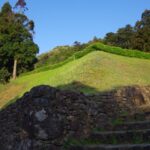
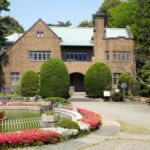
During the Nara period (710-794), Emperor Shomu ordered the construction of Kokubunji temples throughout the country in order to subdue calamities in the country through Buddhism. Musashi Kokubunji Temple was built on the site of this temple, which was an important transportation hub along the ancient official road “Musashiji-ro,” or Higashiyama Road, connecting the capital and the Musashi Province (present-day Fuchu City). The original temple complex was destroyed by fire in the Middle Ages, but by the Edo period (1603-1867), the temple ruins had become a well-known landmark in the Edo area, and in 1922, it was designated as a national historic site. Today, the ruins of the Kondo hall, the lecture hall, and the seven-story pagoda are maintained as historical sites, and part of the site has been turned into a park. Nearby are the Kokubunji Yakushido, the successor to the ancient Kokubunji Temple, and the ruins of the Kokubun Nunji Temple.

Spot OutlineOutline

address (e.g. of house) Near 1-4 Nishimoto-cho, Kokubunji City, Tokyo
Access 18-minute walk from JR Kokubunji Station, 15-minute walk from JR Nishikokubunji Station

phone 042-300-0073 (Kokubunji City Hometown and Cultural Properties Division)
Business Hours always open
regular closing day
External Links

Official Web Site

Founding and opening of business Nara period (710-794 CE)

新着・おすすめ情報

  1. sweet dumpling made with mochi flour and (sometimes) millet flour (famous product of Okayama)

  2. Interview with Kotaro Ishikawa of Ishikawa Tortoiseshell Works, a company that connects traditional Edo tortoiseshell techniques and further promotes the Edo Tokyo brand .

  3. What is “Nishiki-Tamago”? What is the origin of its name?

  4. Kanto style and Kansai style (broiled eel)

  5. Togenuki Jizoson Takaiwanji Temple (Sugamo, Tokyo)

  6. ramen

  7. To preserve traditional culture, we also consider the treatment of craftsmen. What does the long-established “Edoya” think of “succession”?

  8. What does “Tenko” mean? Explanation of the meaning of this doll

  9. What is the origin of “May dolls” displayed on Dragon Boat Festival?

  10. 【第1回】蕎麦の実の殻を完全に取り除いて作る「江戸蕎麦」

  11. 【第6回】9月に当店で「生姜切りそば」を出す理由

  12. 【第21回】古文書から紐解く江戸につながる「そば切り」の伝承

  13. Hie Shrine (in Kyoto)

  14. Hibiya Park

  15. What is the meaning behind the three colors of “Hishimochi”? Hina Doll Decorations