Hamarikyu Gardens

Parks & GardensGinza (shopping district in Tokyo)

Hamarikyu Gardens(Hama-rikyu Gardens)

cherry blossom viewingpicnicleaves changing color (colour)

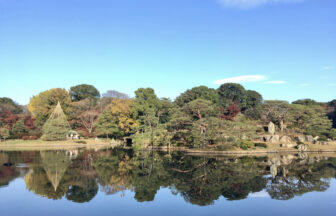
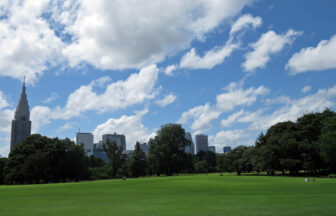
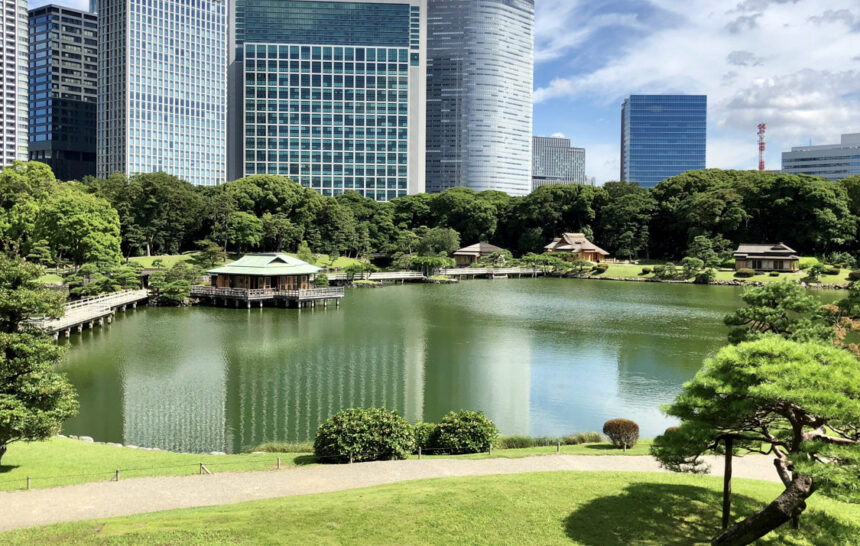
It is the only representative feudal lord’s garden of the Edo period in Tokyo with a tidal inlet pond, which is fed by seawater from Tokyo Bay. The area used to be a full-surface ash field for falconry by the Tokugawa shoguns, but in 1654 Matsudaira Tsunashige, the younger brother of the fourth shogun Ietsuna, built a villa called Kofu Hama Yashiki (Kofu Hamayashiki). Later, when Tsunashige’s son Tsunayo (Ienobu) became the 6th shogun, the villa became the shoguns’ villa, Hama Goten. In 1952, the garden was designated as a Special Place of Scenic Beauty and a Special Historic Site by the Japanese government. In 1952, it was designated as a Special Place of Scenic Beauty and a Special Historic Site.

Spot OutlineOutline

address (e.g. of house) 1-1 Hamarikyu Garden, Chuo-ku, Tokyo
Access 7 minutes from Tsukiji-Ichiba Subway Station, Shiodome Station, Yurikamome Shiodome Station, 12 minutes from JR/Subway Shimbashi Station
5 minutes from Shiodome Subway Station, 15 minutes from JR Hamamatsucho Station

phone 03-3541-0200
Business Hours 9:00-17:00 (admission until 16:30)
regular closing day Year-end and New Year holidays (December 29 – January 1)
External Links

Official Web Site

Founding and opening of business 1946 (Showa 21)

新着・おすすめ情報

  1. Abiru Shrine (Akiruno, Tokyo)

  2. Gosho Ningyo” was a gift to the Imperial Palace. Also known as “Hai Hai” and “White Meat Dolls.

  3. Kamiya Bar, the oldest bar in Japan, well-known for its Denki Bran, and its innovations through the ages.

  4. soba water

  5. brewer’s rice

  6. Shiobune Kannonji Temple (Ome, Tokyo)

  7. Former Kusuo Yasuda Residence Garden (Sendagi, Tokyo)

  8. 【第6回】9月に当店で「生姜切りそば」を出す理由

  9. Former Iwasaki Residence

  10. Tokyo Resurrection Cathedral (Nikolaidō Hall)

  11. Atago Shrine

  12. make

  13. Takao Yakuoin (Mt. Takao, Tokyo)

  14. Kabuto decorations for Dragon Boat Festival. Models of military commanders from the Warring States period are popular.

  15. neckpiece (on a kimono)