Eitai Bridge

historic siteMonzennakacho, Kiyosumi-Shirakawa

Eitai Bridge(Eitai-bashi)

performance or narrative based on the story of Loyalty to the Emperorbridgeimportant cultural property

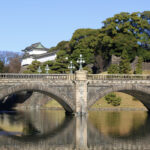
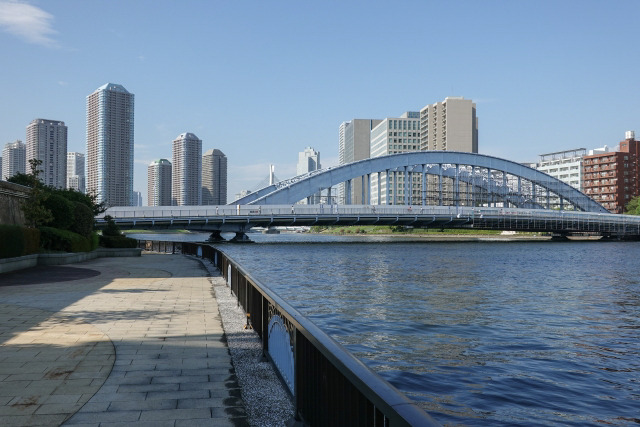
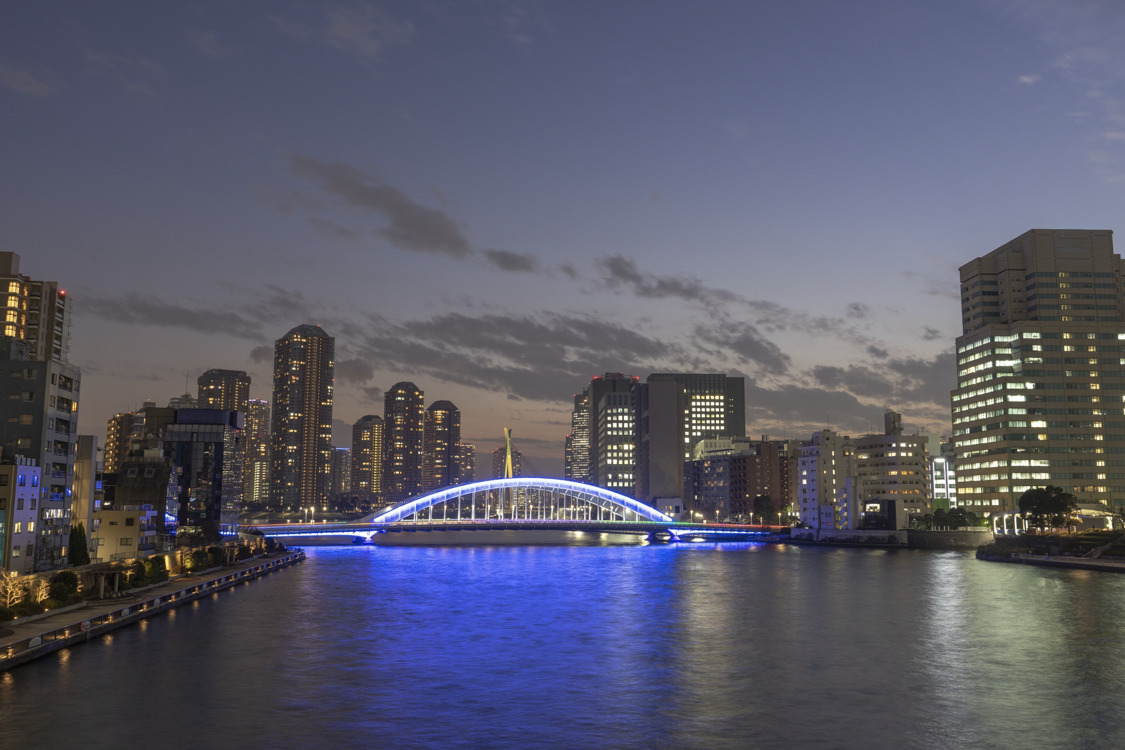
This bridge spans the Sumida River, connecting Shinkawa in Chuo-ku, Tokyo and Eitai in Koto-ku, Tokyo. The first bridge was built in 1698, originally about 150 meters upstream from the current location. It is famous for the Ako Ronin who crossed the bridge on their way back to their homes. The current bridge was replaced by the Imperial Reconstruction Bureau after the Great Kanto Earthquake, and was completed in 1926. It is a steel bridge for earthquake and fire resistance. The 185-meter-long tied-arch bridge has a stately design because it is the “Gate of the Imperial Capital” at the entrance to the Sumida River. It is illuminated from sunset to 9:00 p.m., creating a beautiful night view. It is designated as a National Important Cultural Property.

Spot OutlineOutline

address (e.g. of house) Shinkawa 1-chome, Chuo-ku to Eitai 1-chome, Koto-ku
Access 12 minutes from Monzennakacho Subway Station

Founding and opening of business 1698 (11th year of Genroku)

新着・おすすめ情報

  1. Samurai dolls” for Dragon Boat Festival. When did they come to be displayed?

  2. Walking with the owner of a long-established restaurant and an expert] Part 1: Tracing the history of Shibadaimon with the 7th generation owner of “Shibadaimon Sarashina Nunoya

  3. 【第3回】蕎麦の香りを楽しめる蕎麦メニューとは

  4. Okunitama Shrine (Fuchu, Tokyo)

  5. 【第16回】江戸蕎麦の流儀〜蕎麦の洗い方編〜

  6. Tips for choosing a restaurant and points to consider for a successful business dinner

  7. 【第19回】家庭でも美味しく乾麺の蕎麦を茹でる方法

  8. Tokyo Literature Walk] No.5: Literary figures of the Showa period settled in Shimokitazawa one after another. Why Shimokitazawa became a town of culture

  9. semi-formal kimono for women

  10. What kind of sake brewing method is “mizu-hashiroshi”? Words related to sake

  11. purity

  12. What is the origin of “May dolls” displayed on Dragon Boat Festival?

  13. Old Furukawa Garden (Komagome, Tokyo)

  14. Explanation of the contents of “Yomeiri Dougu Arrangement” [Decorating Hina Dolls].

  15. Yigyoin Temple / Sukeroku and Agemaki Hiezuka (Takenotsuka, Tokyo)