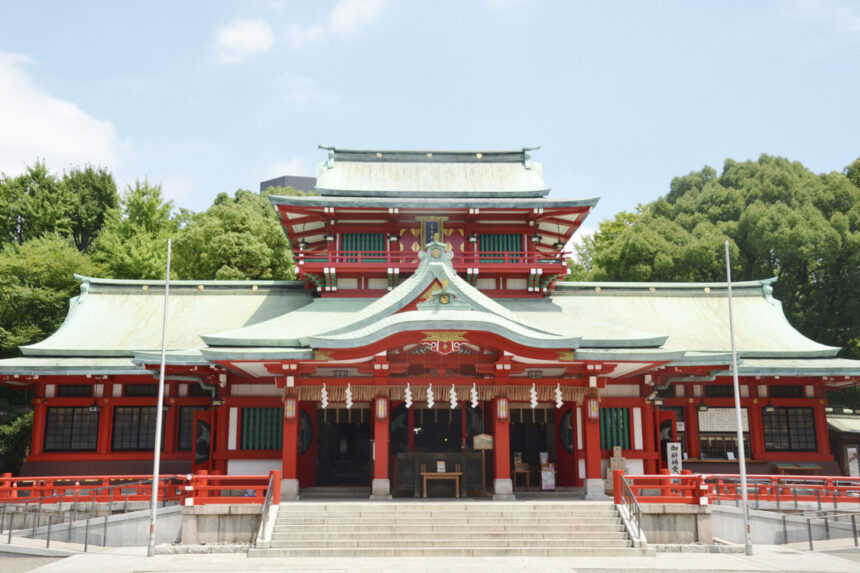
Tomioka Hachimangu Shrine

Shinto shrineMonzennakacho, Kiyosumi-Shirakawa

Tomioka Hachimangu Shrine(Tomioka Hachimangū- Shrine)

first shrine visit of New Yearsumo wrestlingfairstrolling on the street

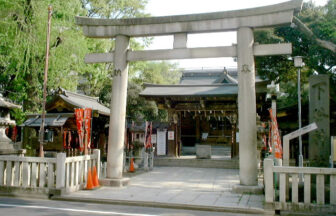
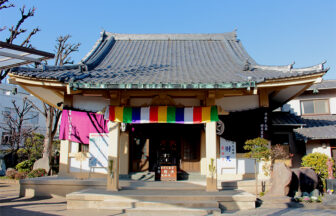
It is said that the shrine was built in 1627 at the present location, which was then called Eitaijima, by an oracle. During the Edo period (1603-1867), it was popularly known as “Fukagawa no Hachiman-sama” (Hachiman Shrine in Fukagawa), and since it enshrines Hachimanjin, the god of war, it received the patronage of the Tokugawa shogunate and was worshipped as the “largest Hachiman-sama in Edo”. During the Meiji Restoration (1868-1912), the shrine was designated as an associate imperial shrine. The shrine is closely associated with sumo, as sumo tournaments were held on the grounds during the Edo period (1603-1867), and even today it is customary for a new yokozuna to dedicate a ring-entering ceremony at Tomioka Hachiman Shrine. The Monthly Festival on the 1st, 15th, and 28th of each month is a very lively event.

Spot OutlineOutline

address (e.g. of house) 1-20-3 Tomioka, Koto-ku, Tokyo
Access 3 minutes from Tokyo Metro Monzennaka-cho Station, 6 minutes from Toei Subway Monzennaka-cho Station, 15 minutes from JR Etchujima Station

phone 03-3642-1315
Business Hours nashi (Pyrus pyrifolia, esp. var. culta)
regular closing day
External Links

Official Web Site

Founding and opening of business 1627 (Kan’ei 4)

新着・おすすめ情報

  1. clothing (e.g. kimono) decorated with one’s family crest

  2. What is “Katahira”? What kind of process is it? Words related to Sake

  3. A Walk in Edo with Old Maps] No.3: Once the Best Shopping Zone in Edo. Tracing the Traces of a Fish Market in Nihonbashi

  4. broiled eel

  5. dagger

  6. What to do on the far shore for ancestor memorial services? What to wear, what to bring, and what to do on the day of visitation.

  7. 麻布・赤坂・六本木

  8. Hie Shrine (in Kyoto)

  9. The name “Mokumegome doll” comes from the fact that the fabric is pressed into the shape of a doll.

  10. Chimaki” eaten on Dragon Boat Festival. What is the origin of the name?

  11. Manju, Monaka, Daifuku, etc.: Manners for Eating Wagashi without Worrying about Public Appearances Anymore

  12. What does “Sarashina (soba)” mean and where did it originate?

  13. Explanation of the origin of Chirashi-zushi, ingredients used, etc.

  14. The important thing is to build a steady network. Nakazawa Nyugyo Co., Ltd. is expanding its business with the spirit of “Be with each other and do business with each other.

  15. Inokashira Onshi Park