Kiyosumi Garden

Parks & GardensMonzennakacho, Kiyosumi-Shirakawa

Kiyosumi Garden(Kiyosumi Gardens)

cherry blossom viewingpicnicwalk

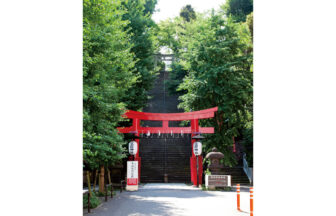
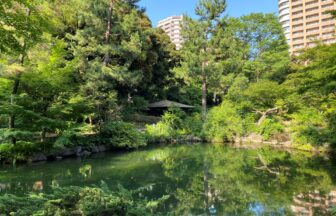
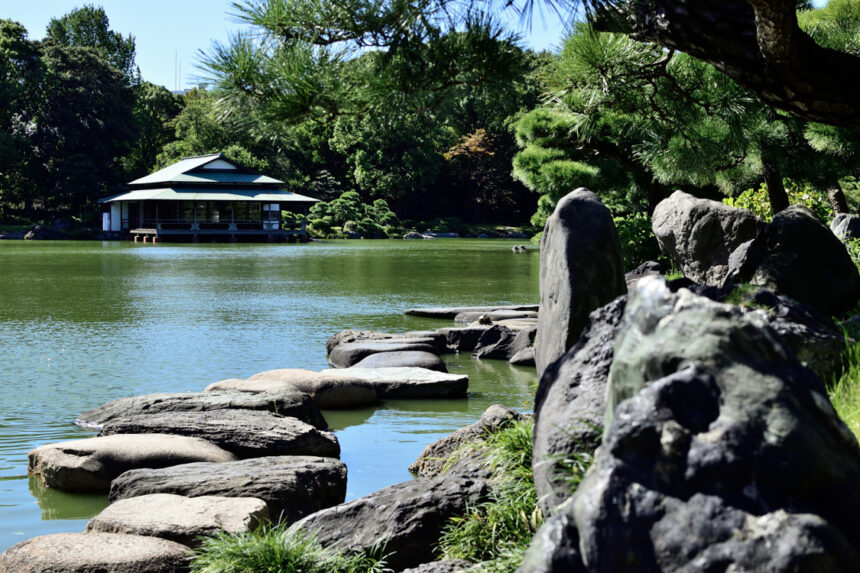
The garden is a “kaiyushiki rinsen garden” featuring fountains, artificial hills, and dry landscaping, as used in the gardens of feudal lords in the Edo period. The garden was completed in 1880 as the Fukagawa Friendship Garden. After Yataro’s death, the garden was restored with water from the Sumida River and landscaping work including the placement of famous stones. The garden is designated as a place of scenic beauty by the Tokyo Metropolitan Government, and in early June, approximately 350 irises are at their best. With approximately 20 cherry trees planted, it is also a popular place for cherry blossom viewing.

Spot OutlineOutline

address (e.g. of house) 3-3-9 Kiyosumi, Koto-ku, Tokyo
Access 3 minutes from Kiyosumi-Shirakawa Subway Station

phone 03-3641-5892
Business Hours 9:00-17:00 (admission until 16:30)
regular closing day Year-end and New Year holidays (December 29 – January 1)
External Links

Official Web Site

Founding and opening of business 1932 (Showa 7)

新着・おすすめ情報

  1. When is “new sake” made? Words related to sake

  2. 【第25回】七十五という数字にまつわる蕎麦の話

  3. pickled ginger

  4. Asukayama Park

  5. being badly influenced by

  6. When did the Hina Matsuri (Peach Festival) begin?

  7. Before the Edo period, “Dedication confectionery” was a top-quality confectionery made with white sugar.

  8. What does a “Hands and Feet Master” do? The series of craftsmen who make dolls

  9. Innovation by “Shinseido”, creator of the unconventional and popular “Seppuku Monaka” product

  10. Daenji Temple (Meguro, Tokyo)

  11. Komagata Dozeu, a famous restaurant with a history of more than 200 years, serves dojo cuisine.

  12. Smoked Saikyo pickles have evolved into a snack for alcoholic beverages. The insatiable spirit of challenge at the long-established “Tsuta-no-ie

  13. sake brewed without addition of saccharides and no more than 120 litres of seed alcohol per tonne

  14. Namikaze Shrine (Tsukiji, Tokyo)

  15. type of informal katakana worn in the Edo period