refined Japanese sugar

Dashi (Japanese soup stock), SeasoningsJapanese confectionery

refined Japanese sugar(wasanbon/wasanbon)

This is one of the few domestic sugars produced by traditional methods in parts of Tokushima and Kagawa prefectures using a variety of sugarcane called chikuto as raw material. It is characterized by its fine-grained, pale yellow color, smooth texture, and elegant flavor. It has been an indispensable ingredient in high-end Japanese confectionery since the Edo period (1603-1867). The name is said to have come from the fact that white sugar imported from China was called “Karasanbon” (唐三盆).

新着・おすすめ情報

  1. Suzuki Ruins Museum

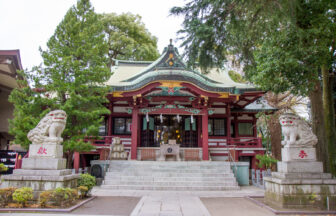
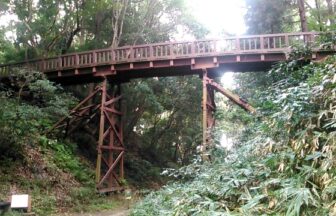
  2. Metropolitan Takiyama Park, Ruins of Takiyama Castle

  3. Edo Bekko-ya” continues to deal with rare materials. Craftsmanship and another thing we cherish

  4. broiled eel

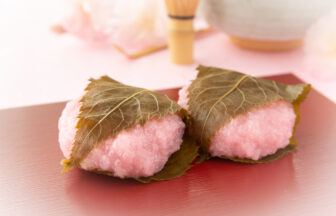
  5. sweet dumpling made with mochi flour and (sometimes) millet flour (famous product of Okayama)

  6. 【第25回】七十五という数字にまつわる蕎麦の話

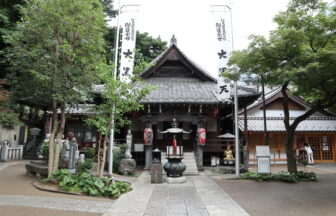
  7. Katsusenji Temple Enma Opening in Kitasenju! A New Year’s tradition with stalls on the first Enma day

  8. Ubukeya is a knife store specializing in kitchen knives, scissors, and hairpins. The ultimate “sharpening” that even makes a paper-cutting artist say, “It’s so sharp, I’m in trouble!

  9. Yuri Shikaku] Toraya’s Yokan, a must-have for a mountain snack. How to enjoy Japanese sweets that reflect the changing of the seasons

  10. Tokyo Literature Walk] No.3: Waseda Area. Soseki Natsume and Waseda University, a journey tracing the scent of modern literature and culture

  11. Japanese Food Manners You Should Know. Sashimi, Sushi, Tempura, Yakimono…… explained by cuisine.

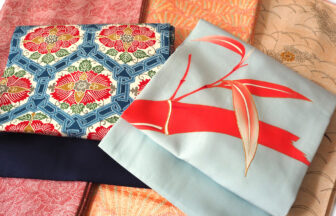
  12. kimono wrapping paper

  13. Smoked Saikyo pickles have evolved into a snack for alcoholic beverages. The insatiable spirit of challenge at the long-established “Tsuta-no-ie

  14. Takahata Fudo Kongoji Temple

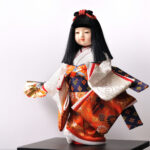
  15. Odai-ningyo” is a doll made of paulownia wood with a Gosho doll on top.