Sensoji Temple

temple (Buddhist)Asakusa (department store)

Sensoji Temple(Sensoji-Temple)

first shrine visit of New Yearstrolling on the street

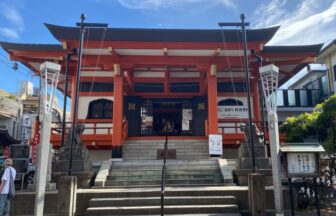
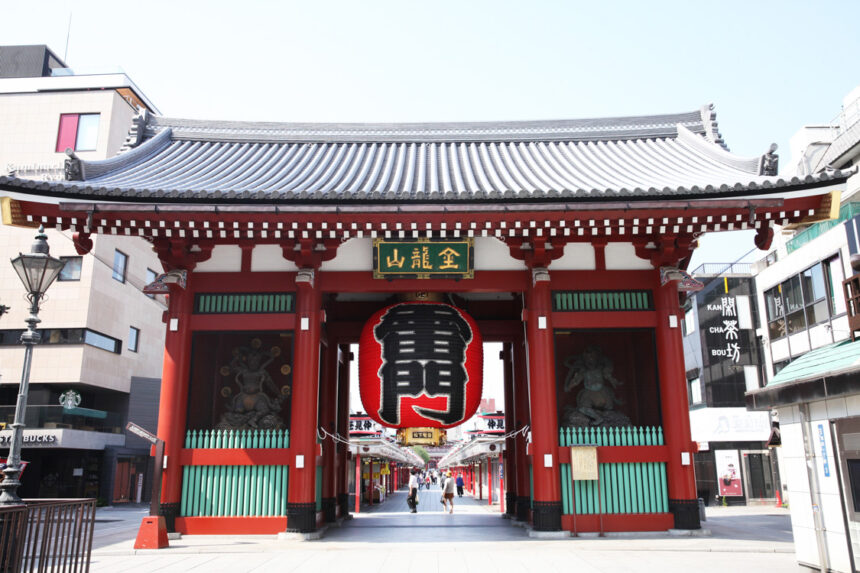
It is the head temple of the Sho-Kannon sect, and its mountain name is Kinryuzan. The temple is also known as Asakusa Kannon (Goddess of Mercy). 628 (36th year of Emperor Suiko’s reign), brothers Hamanari and Takenari Hinokuma, who were fishing in the Miyatogawa River (downstream of the Sumida River), obtained a statue of Kannon from the water, which was then enshrined in the Kusa Hall. When the Tokugawa Shogunate was established in Edo (present-day Tokyo), the temple became a place of prayer for the Tokugawa Shogunate and flourished, attracting the faith of the general public. Many buildings were destroyed by fire in air raids during World War II, but were rebuilt after the war, including the Kaminarimon Gate and the five-story pagoda, making it one of Tokyo’s most popular tourist attractions. Along the approach from Kaminarimon to Hozomon is the famous Nakamise, where many stores line the street, creating the “Monzenmachi” (gate town).

Spot OutlineOutline

address (e.g. of house) 2-3-1 Asakusa, Taito-ku, Tokyo
Access 5 minutes from Tobu Line, Tsukuba Express and Asakusa Subway Station

phone 03-3842-0181
Business Hours 6:00 – 17:00 (opening hours/opening at 6:30 from October to March)
regular closing day nashi (Pyrus pyrifolia, esp. var. culta)
External Links

Official Web Site

Founding and opening of business 628 (36th year of Emperor Suiko’s reign)

新着・おすすめ情報

  1. Enjyoji Temple (Hakusan, Tokyo)

  2. 【第15回】江戸蕎麦の流儀〜蕎麦の茹で方編〜

  3. Former Mikawashima sewage disposal pumping facility (Arakawa, Tokyo)

  4. Japanese sweets in the form of long blocks (e.g. yokan, uiro)

  5. How were “Fresh Pack” and “Soup Stock” born? The source of the idea of the long-established dried bonito flakes shop “Nimben

  6. wafer

  7. A Walk in Edo with Old Maps] No.4: Was the Yoshiwara brothel located in Ningyocho? A play by day, a brothel by night. A Journey to the Ruins of a Former Pleasure Spot

  8. Why display “Armor Decorations” on Dragon Boat Festival. Armor is not for fighting…

  9. Interview with Kotaro Ishikawa of Ishikawa Tortoiseshell Works, which is committed to passing on the traditional techniques of Edo tortoiseshell to the future .

  10. ratio indicating the quantity of polished rice gained from a given quantity of brown rice (nowadays usually expressed as a percent)

  11. We don’t stick to tsukudani alone. They are also introducing Western flavors and expanding their sales channels. The Challenge of Shimbashi Tamakiya

  12. 【第8回】江戸時代から語られるぶっかけの由来と食べ方指南

  13. Suka Shrine (the outer shrine of Ise Shrine)

  14. steamed fish-paste cake, sliced to decorate soup (type of kamaboko)

  15. 【第5回】東京から静岡へ 蕎麦店の系譜と受け継がれる蕎麦作りの伝統