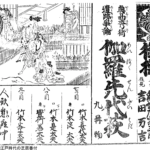
marks indicating the Japanese meaning of the texts of Chinese classics

armour

marks indicating the Japanese meaning of the texts of Chinese classics(SORI)

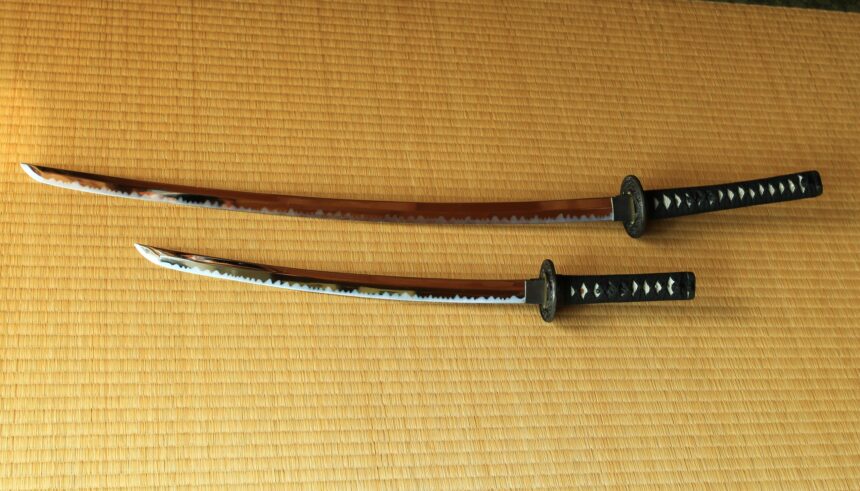
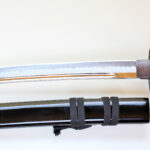
Japanese sword

Kisaki. The sword’s tip to the sword’s mune. The back of the sword opposite the blade. It is the part of the back opposite the blade that is hollowed out in a key shape from the tip to the stem. The distance between the stem and the mune is called the “wari” (the length of the blade). This is one of the unique beauties of the Japanese sword, which is not found in Western swords, which are mainly straight swords.
The warp makes it easy to pull the blade out of the scabbard, and allows for smooth cutting when the sword is swung down. It also softens the impact of a cut.

新着・おすすめ情報

  1. Preserving Kimono Culture through Tabi Shoes. What is the goal of the long-established Tabi Shoes shop “Ohnoya Fuso-Honten”?

  2. The important thing is to build a steady network. Nakazawa Nyugyo Co., Ltd. is expanding its business with the spirit of “Be with each other and do business with each other.

  3. A Walk in Edo with Old Maps] No. 6: Kagurazaka is full of historical attractions. From alleys where you can feel the Edo period to wooden buildings of the Showa period

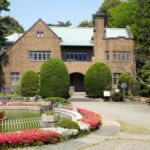
  4. Hatoyama Kaikan (Otowa, Tokyo)

  5. bush

  6. Mukojima Hyakkaen

  7. Eitai Bridge

  8. Yamamoto Nori Store, a long-established business with 170 years of history. The birthplace of “seasoned laver” talks about its commitment to flavor.

  9. Innovation by “Shinseido”, creator of the unconventional and popular “Seppuku Monaka” product

  10. Interview with Kotaro Ishikawa of Ishikawa Tortoiseshell Works, a company that connects traditional Edo tortoiseshell techniques and further promotes the Edo Tokyo brand .

  11. Chimaki” eaten on Dragon Boat Festival. What is the origin of the name?

  12. Ichigaya Kameoka Hachiman Shrine (Ichigaya, Tokyo)

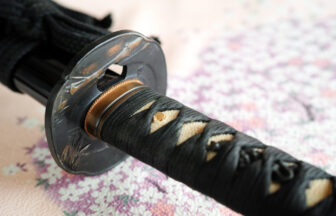
  13. guard on sword, polearms, etc.

  14. Meiji Shrine

  15. What is “Yanagawa Hot Pot”?