Zojoji Temple

temple (Buddhist)turf

Zojoji Temple(Zojoji- Temple)

cherry blossom viewinglocation thought to be flowing with mystical energy

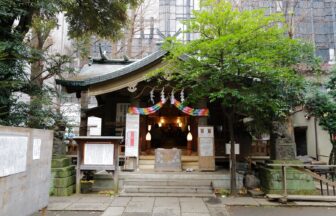
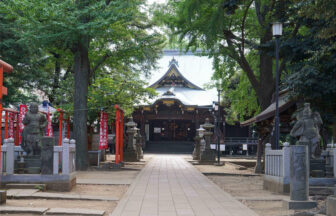
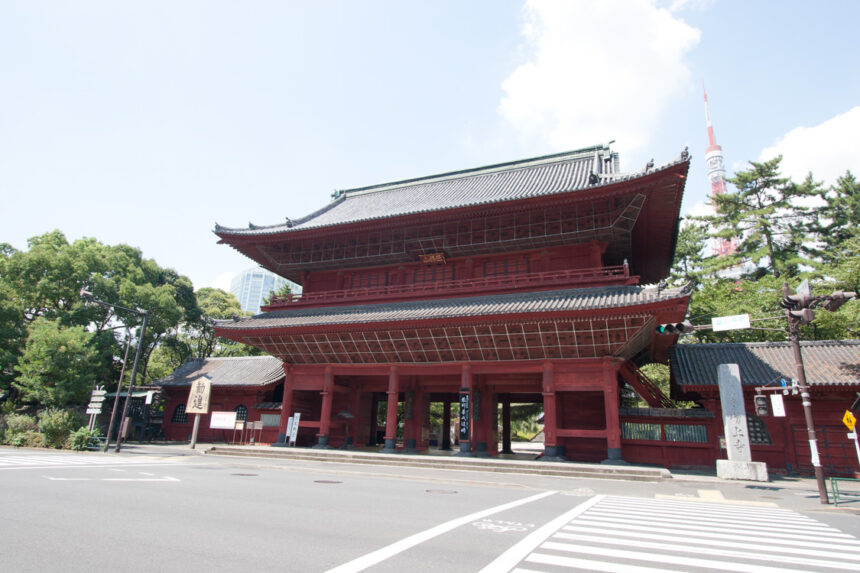
One of the seven head temples of the Jodo sect, it was founded in the Muromachi period (1336-1573) by Priest Yuho Shoso as a fundamental center of nenbutsu (the recitation of the Lotus Sutra). Originally located in Hirakawacho, Chiyoda-ku, Tokyo, the temple became a family temple of the Tokugawa family when Ieyasu Tokugawa entered Edo in 1590, and was moved to its current location in 1598. During the Edo period (1603-1868), a large temple building was constructed and the temple prospered repeatedly. Although the valuable hall was lost in a great fire during the Meiji period (1868-1912) and war damage during the Showa period (1926-1989), it was restored after the Showa period (1926-1989) and the magnificent main hall was reconstructed. Recently, the temple has become popular as a power spot for improving one’s luck in winning.

Spot OutlineOutline

address (e.g. of house) 4-7-35 Shiba-Koen, Minato-ku, Tokyo
Access 10 minutes from JR/Tokyo Monorail Hamamatsucho Station, 3 minutes from Onarimon Subway Station, 3 minutes from Shibakoen Subway Station, 5 minutes from Daimon Subway Station, 7 minutes from Akabanebashi Subway Station, 10 minutes from Kamiyacho Subway Station

phone 03-3432-1431
Business Hours 9:00~17:00
regular closing day nashi (Pyrus pyrifolia, esp. var. culta)
External Links

Official Web Site

Founding and opening of business 1393 (4th year of Meitoku)

新着・おすすめ情報

  1. 【第17回】「田舎蕎麦」と「更科蕎麦」の違いとは

  2. 三島神社(東京・鶯谷)

  3. day of the ox in midsummer (during the hottest season)

  4. Mori Garden (Roppongi, Tokyo)

  5. Tips for choosing a restaurant and points to consider for a successful business dinner

  6. Honshiba Park (Tamachi, Tokyo)

  7. Founded by a “Brush Master” who was a personal assistant to the Tokugawa Shogun. Edoya” has been providing brushes and bristle brushes for 300 years.

  8. half-width obi (kimono sash)

  9. Japanese sweets in the form of long blocks (e.g. yokan, uiro)

  10. Takahata Fudo Kongoji Temple

  11. 【第4回】「関東の蕎麦、関西のうどん」食べ方を見ればその人の出身地が分かる

  12. Minamiya Temple (Komagome, Tokyo)

  13. Gansenen Park (Waseda, Tokyo)

  14. Ruins of Isamu Kondo’s birthplace (Chofu, Tokyo)

  15. Ningyocho Shinota Sushi Head Office, a long-established sushi restaurant serving inari sushi. What changes with the times, and what never changes.