Hibiya Park

Parks & GardensMarunouchi/Yaesu

Hibiya Park(Hibiya Park)

cherry blossom viewingpicnicphoto spottaking one’s children along (to an event, into a new marriage, etc.)walk

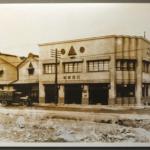
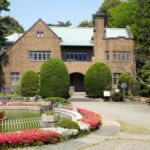
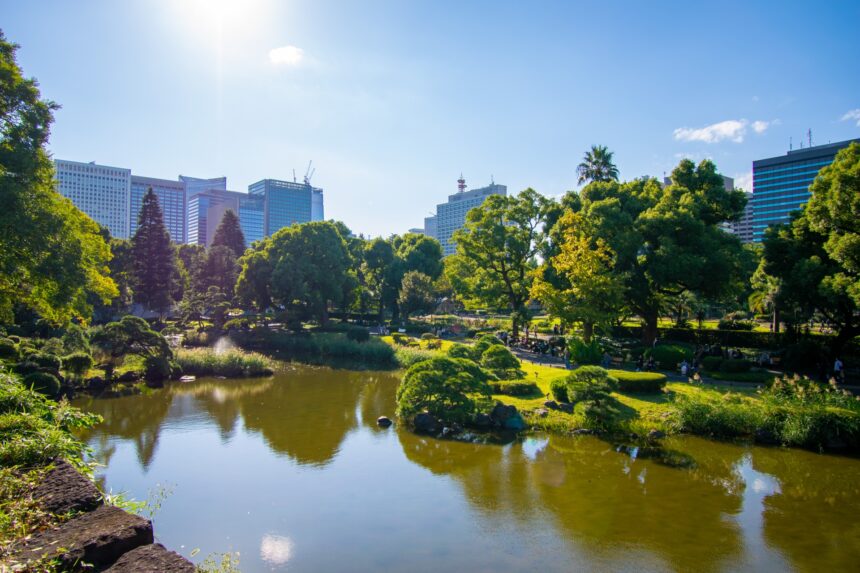
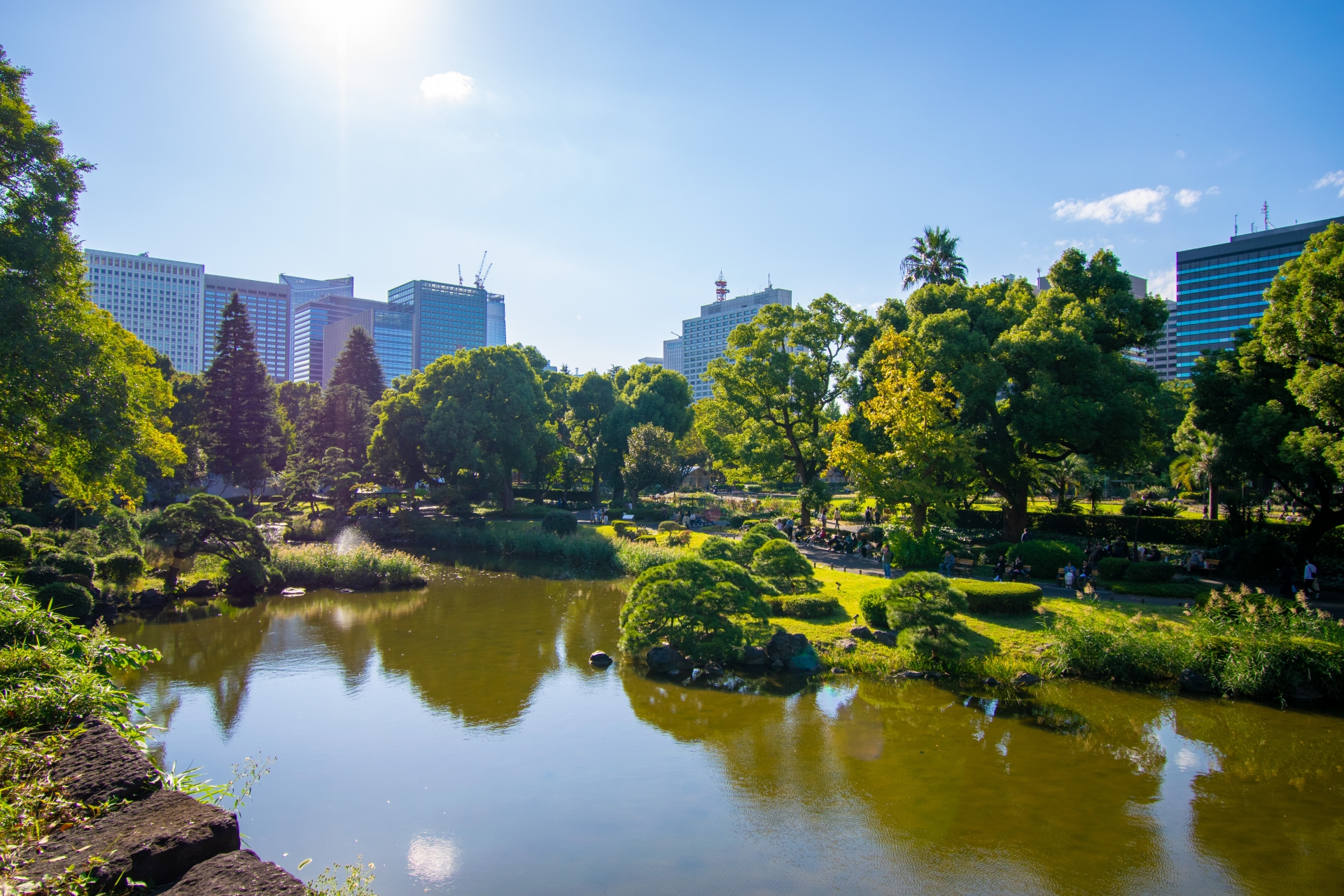
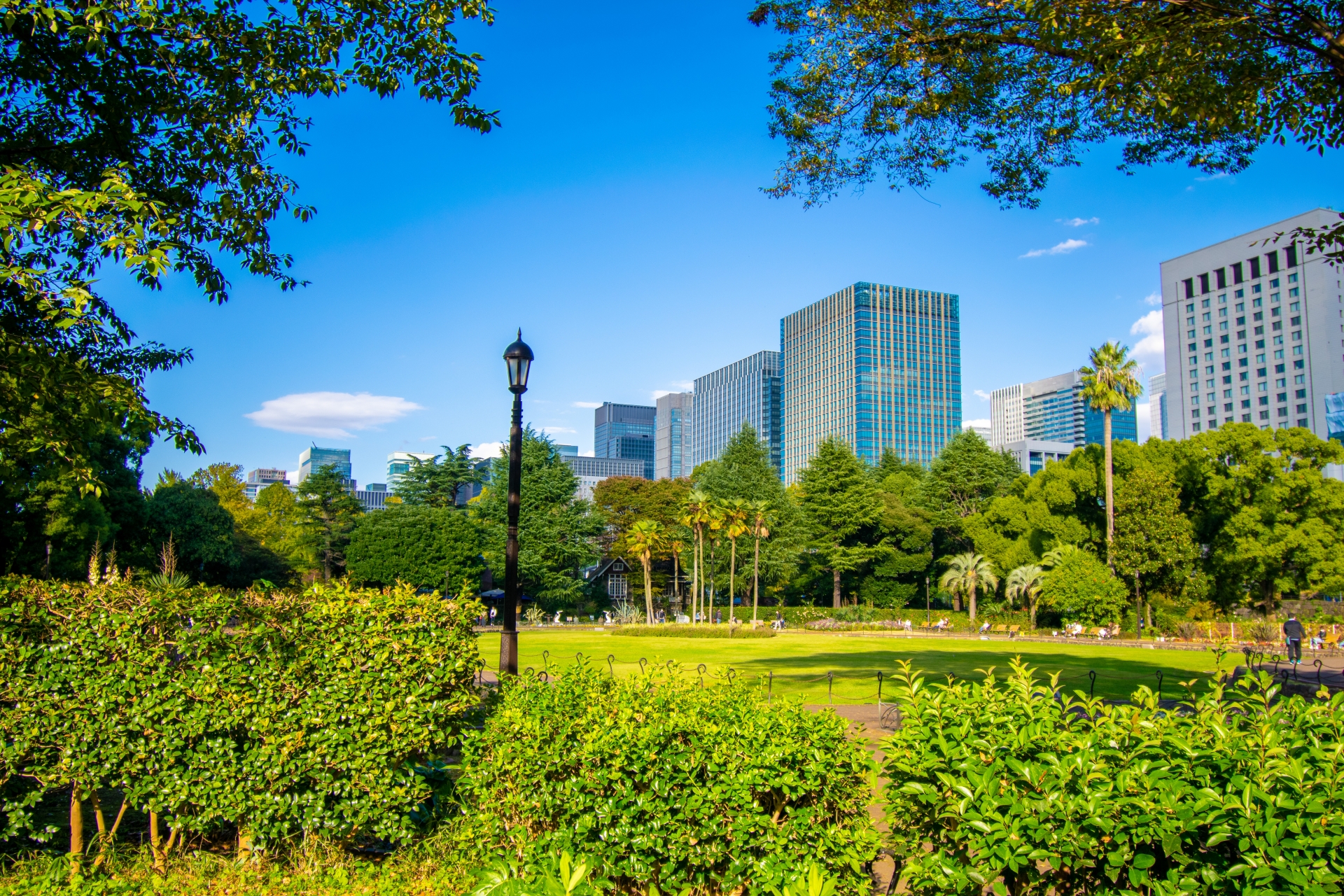
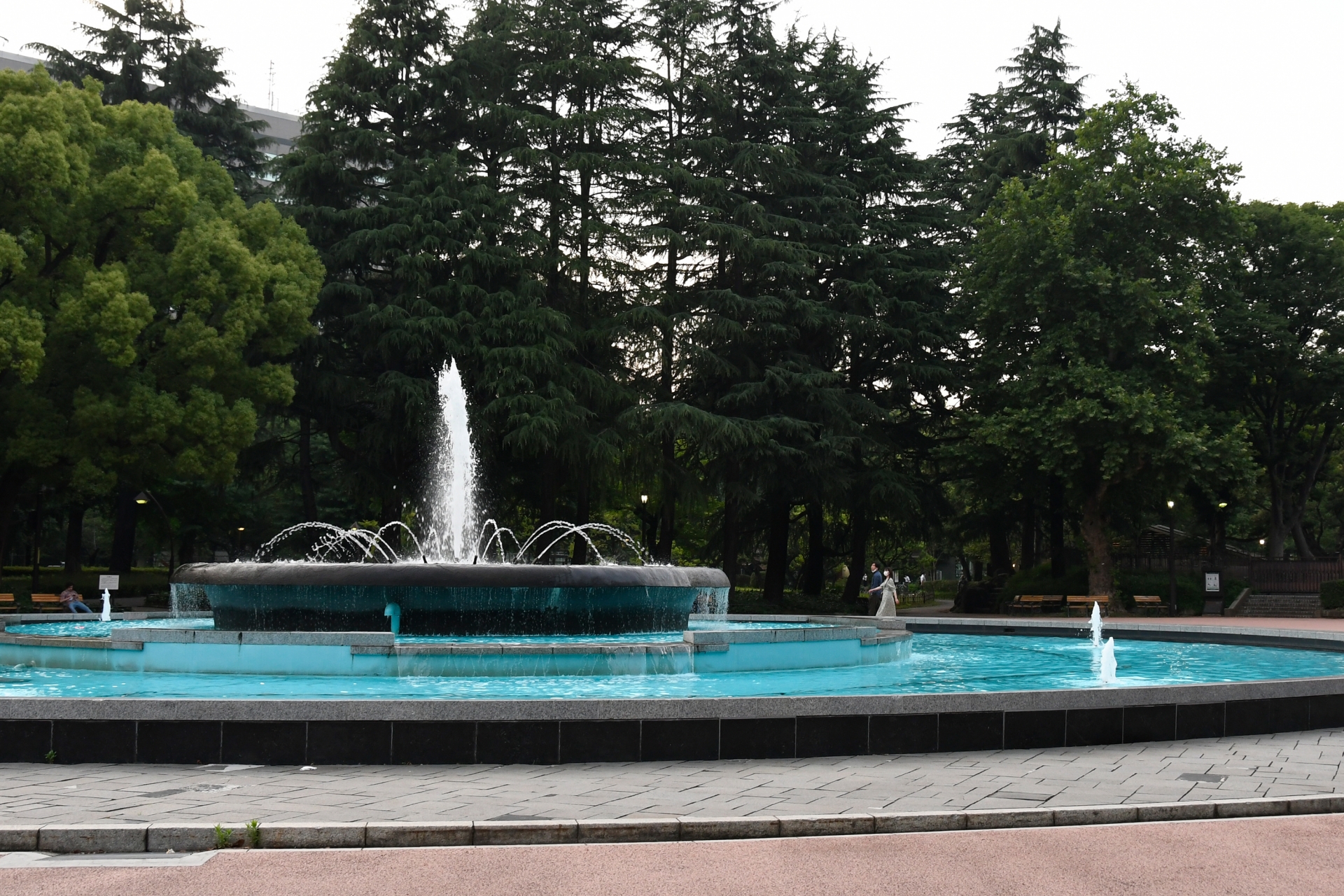
Hibiya Park was opened in 1903 amidst a strong desire for a modern park befitting the capital city of Tokyo. The park was designed and built by Dr. Shiroku Honda. It was the first “Western-style” park in Japan. Before the Azuchi-Momoyama period (1568-1600), the entire park area was a sea area called “Hibiya Inlet. Since the park was located just outside the Hibiya Gate of Edo Castle, it was used as the residence of prominent feudal lords such as Matsudaira Hizenmori during the Edo period and the end of the Edo period, and as an army training ground after the Meiji period. Today, the Hibiya Public Hall, Hibiya Park Concert Hall (Hibiya Noon), Hibiya Library and Cultural Center, and other facilities are located on the site, making it a place of relaxation and recreation for many people.

Spot OutlineOutline

address (e.g. of house) Hibiya Park, Chiyoda-ku, Tokyo
Access Located near Kasumigaseki and Hibiya Subway Stations

phone 03-3821-6145
Business Hours always open
regular closing day nashi (Pyrus pyrifolia, esp. var. culta)
External Links

Official Web Site

Founding and opening of business 1903 (36th year of Meiji era)

新着・おすすめ情報

  1. Walking with the owner of a long-established restaurant and an expert] Part 1: Tracing the history of Shibadaimon with the 7th generation owner of “Shibadaimon Sarashina Nunoya

  2. just after fall

  3. Manju, Monaka, Daifuku, etc.: Manners for Eating Wagashi without Worrying about Public Appearances Anymore

  4. Zenkokuji Temple (Kagurazaka, Tokyo)

  5. Shinobazunoike Pond Oratory, Kan-eiji Temple

  6. swallowing a great amount of tea or medicine

  7. glutinous rice steamed with red beans or some other ingredient

  8. Responding to customer requests leads to innovation. Leading dairy products company “Nakazawa Dairy Co.

  9. Japanese doll” is a generic term for dolls traditionally made in Japan. What types are there?

  10. To make Japanese “tea culture” widely known. Flexibility of “Gyokuho-Do” to change with the times.

  11. Anyone can do it by themselves! Basic yukata dressing – women’s version

  12. neckpiece (on a kimono)

  13. Tanashi Shrine (Tanashi, Tokyo)

  14. 【第11回】江戸時代に生まれた「かけそば」の起源

  15. Why is “Koinobori” carp? The reason is said to be based on Chinese folklore.