Yigyoin Temple / Sukeroku and Agemaki Hiezuka (Takenotsuka, Tokyo)

historic sitetemple (Buddhist)Ueno, Yanaka, Nippori

Yigyoin Temple / Sukeroku and Agemaki Hiezuka (Takenotsuka, Tokyo) (Igyouin/Sukeroku & Agemaki monument)

“inari” and “maki” (roll) style sushikabukirakugo

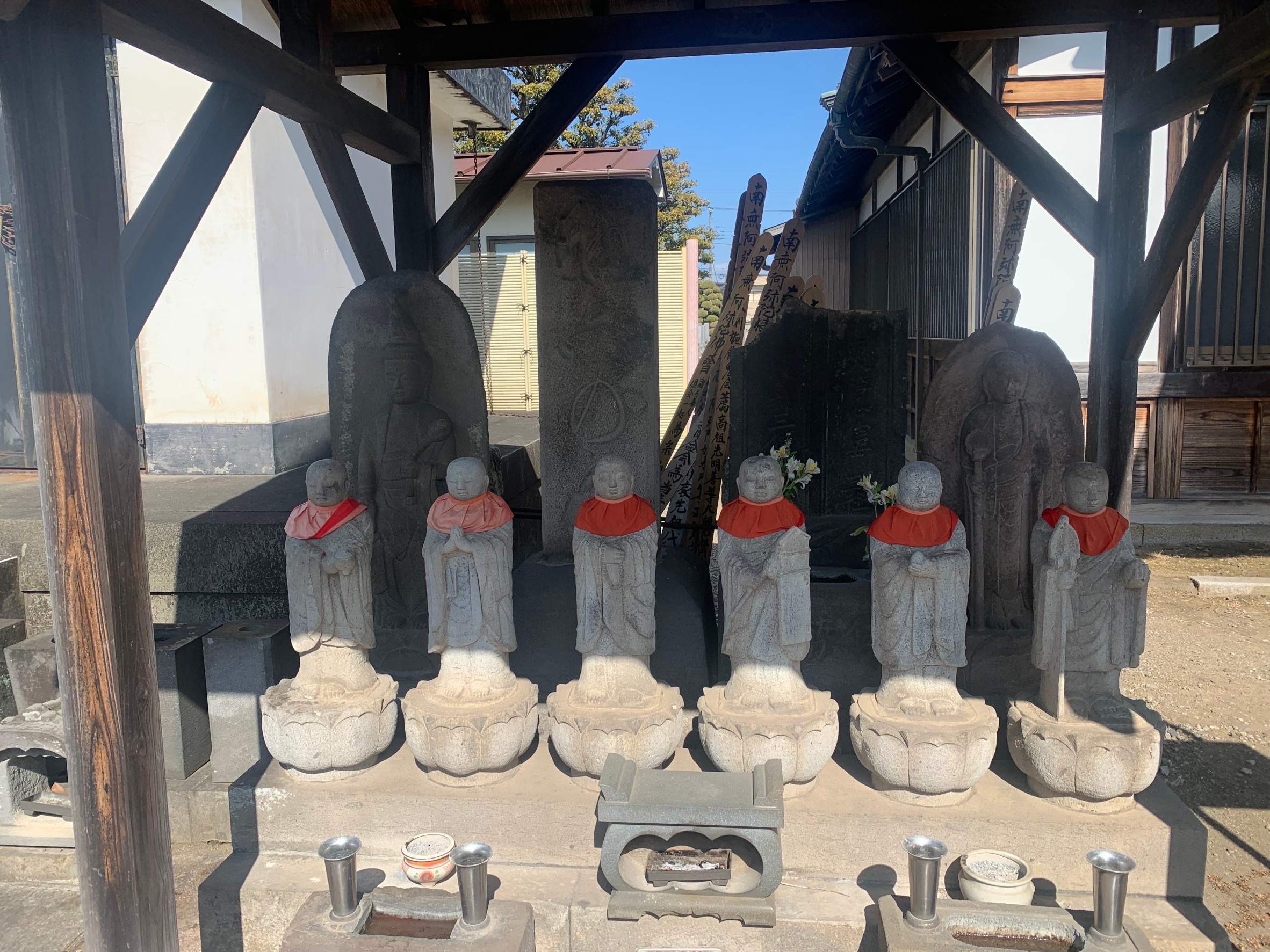
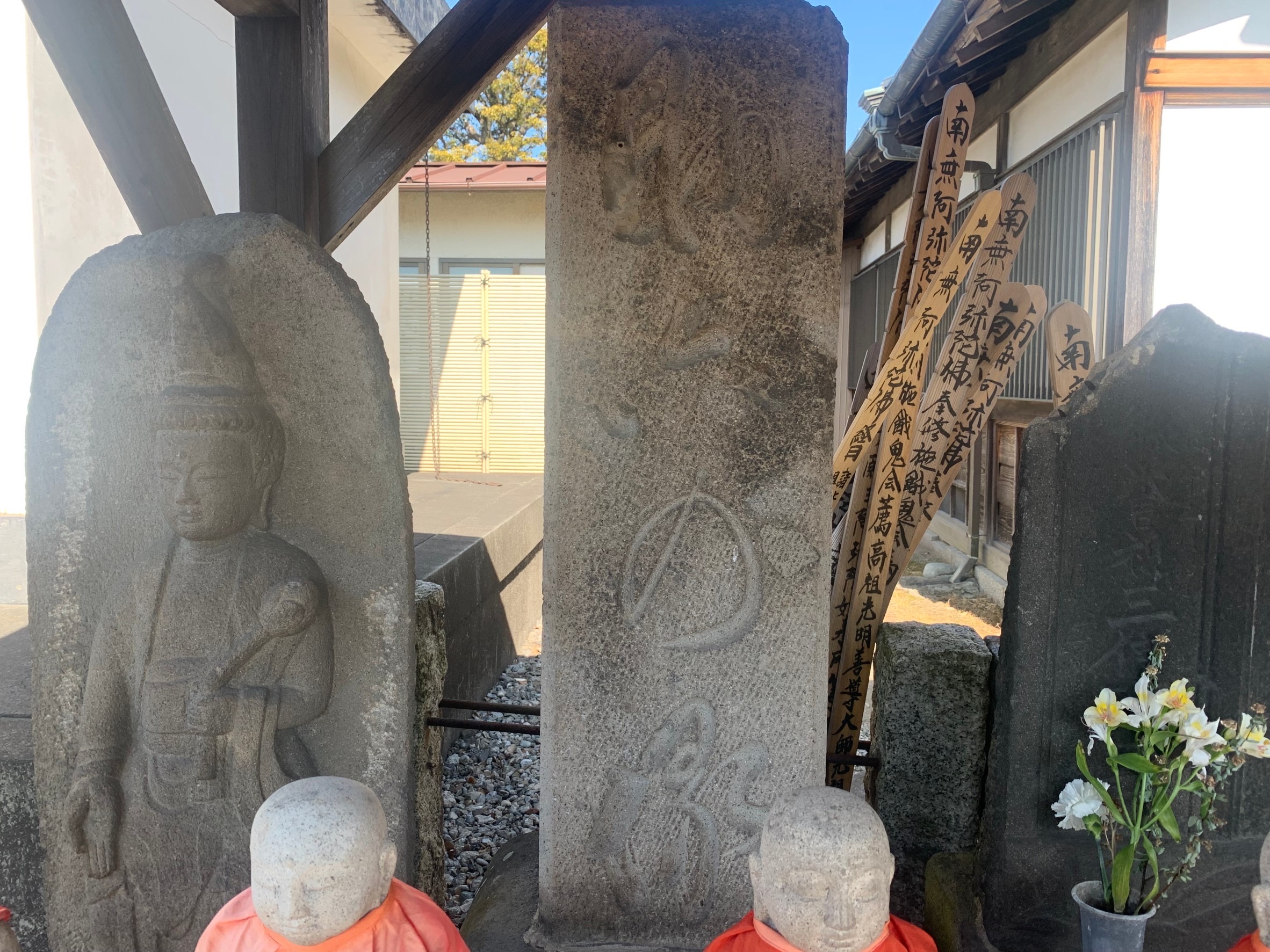
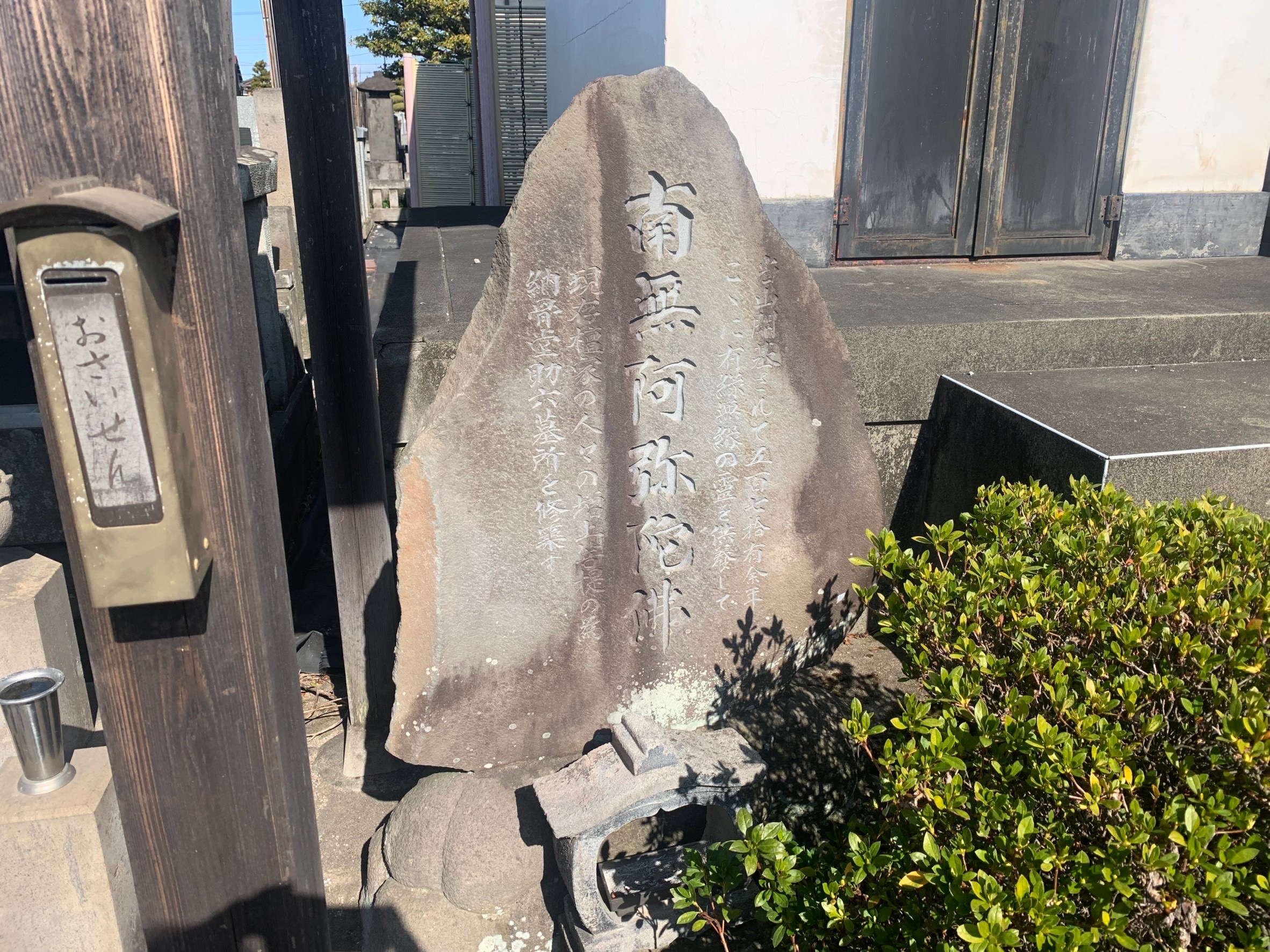
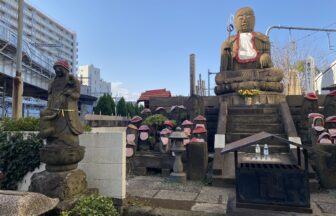
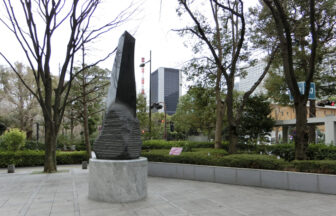
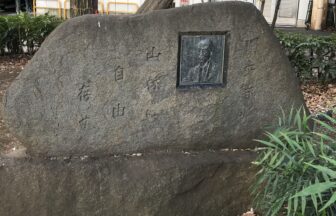
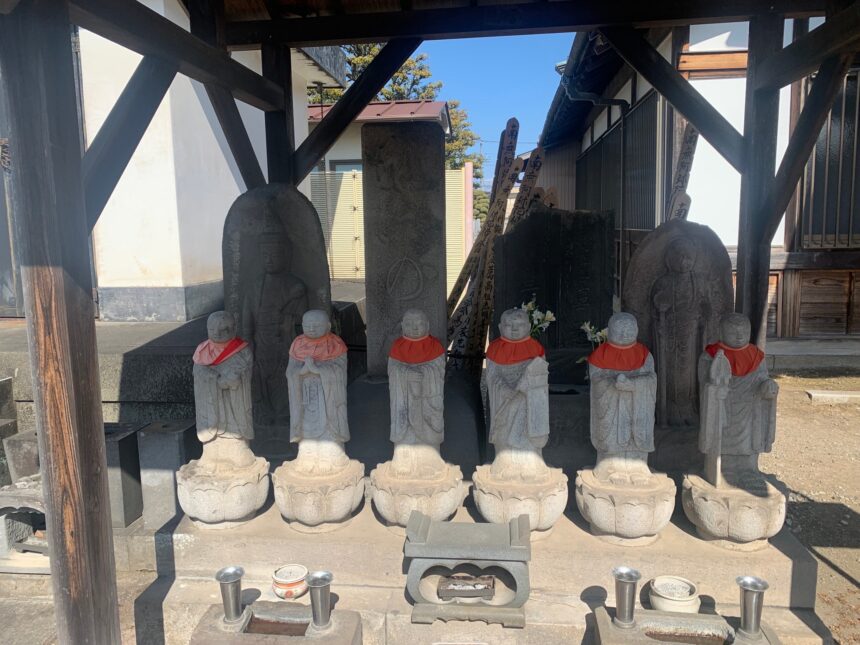
Yigyoin is a temple of the Jodo sect and is said to have been founded during the Bungei period (1501-1504). Originally located in Asakusa Kiyokawa-cho, it was moved to this location after the Great Kanto Earthquake. The mound is registered as a tangible cultural property of Adachi Ward, and is said to bring good luck to couples who visit the mound. Since this is also the family home of rakugo storyteller Sanyutei En V, he and his sister, who died in the Japan Airlines New Delhi crash, are laid to rest in the cemetery on the grounds.

Spot OutlineOutline

address (e.g. of house) 4-5-5 Higashi Iko, Adachi-ku, Tokyo
Access Approximately 15 minutes from Takenotsuka Station on the Tobu Railway Isesaki Line

phone 03-3899-1328
Business Hours 9:00~17:00
Founding and opening of business Bungei Era (1501-1504)

新着・おすすめ情報

  1. What is the “rank of kimono” that kimono beginners have trouble thinking about?

  2. pongee (soft thin cloth woven from raw silk)

  3. What is nigori sake? There are multiple types and flavors of nigori sake.

  4. A Walk in Edo with Old Maps] No.5: Traces of Edo Remain Strong in “Differences in Elevation” and “Town Names” in Ushigome and Ichigaya

  5. Mukojima Hyakkaen

  6. What are the characteristics of “unfiltered” sake? Words related to sake

  7. Interview with Kotaro Ishikawa of Ishikawa Tortoiseshell Works, which is committed to passing on the traditional techniques of Edo tortoiseshell to the future .

  8. 【第2回】美味しい蕎麦屋を見分けるコツは、お客様の「姿勢」を見ること

  9. ramen

  10. very common way of tying a woman’s kimono sash

  11. 【第23回】蕎麦屋店主が考える真の蕎麦「通」の定義

  12. To preserve traditional culture, we also consider the treatment of craftsmen. What does the long-established “Edoya” think of “succession”?

  13. Eitaro Fuhonshop located at the foot of Nihonbashi Bridge. Traditional techniques and a desire to “create new wagashi

  14. Kimono is an SDG costume. Unused clothes and tenugui (hand towels) can be used as obi sashes.

  15. Can you guess what are the five colors of the “fukiage” that is attached to the top of the carp streamer?