(sound of) the wind through pine trees

Japanese confectionery

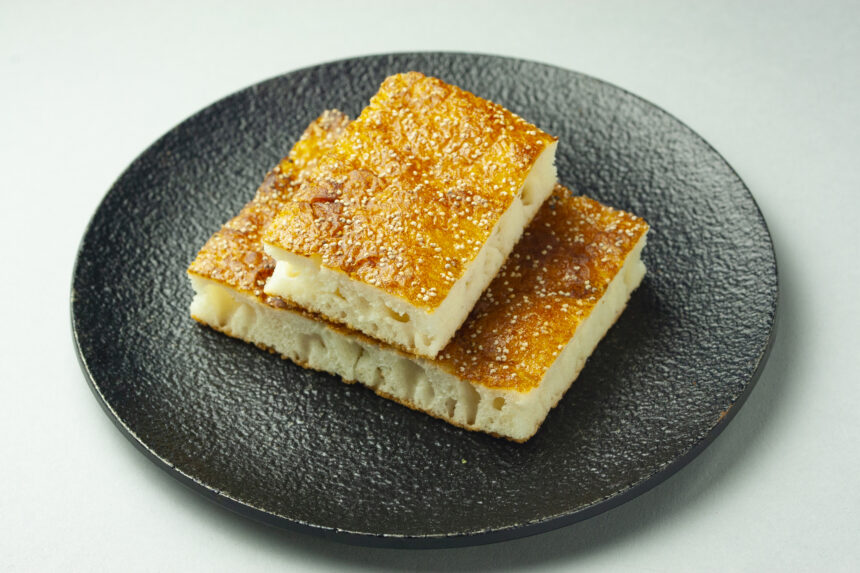
(sound of) the wind through pine trees(Matsukaze)

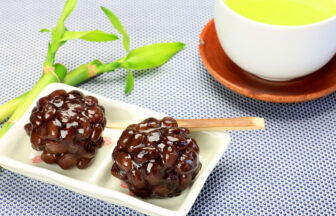
Japanese sponge cake-like baked confectionery with the surface sprinkled with keshi nuts, sesame seeds, Daitokuji natto, etc. It can be thick like sponge cake, thin like sembei (rice cracker), or yokan-like. It comes in a variety of forms, including one as thick as sponge cake, one based on it that is stretched thin and baked like a rice cracker, and one that looks like yokan (sweet bean jelly). It is said that the name “Matsukaze” was derived from a line from a Japanese folk song: “Ura loneliness, the only sound is the pine wind” because the back side of each cake is lonely compared to the surface decorated with ingredients.

新着・おすすめ情報

  1. The name “Mokumegome doll” comes from the fact that the fabric is pressed into the shape of a doll.

  2. Umezono, a long-established sweet shop in Asakusa: From awa-zenzai to dora-soft (soft rice cake), “80% on the defensive, 20% on the offensive” wins the hearts of young people.

  3. Tokyo Literature Walk] No.5: Literary figures of the Showa period settled in Shimokitazawa one after another. Why Shimokitazawa became a town of culture

  4. Continuing to exist is a brand. What “Nihonbashi Saruya,” a toothpick specialty store, thinks a brand should be.

  5. Ichigaya Kameoka Hachiman Shrine (Ichigaya, Tokyo)

  6. Mukozuke” is served at the beginning of kaiseki cuisine. What is the origin of its name?

  7. Nihonbashi (bridge)

  8. Itsukaichi Constitution Draft Monument (Akiruno, Tokyo)

  9. Suzuki Ruins Museum

  10. Yamamoto Nori Store, a long-established business with a 170-year history, has created an innovation that allows people to taste freshly baked laver.

  11. Nihonbashi Kuroeya deals in lacquerware from all over Japan. Protecting the goodwill through innovation, not single-mindedness.

  12. Tokyo Station Marunouchi Station Building

  13. What does “Tenko” mean? Explanation of the meaning of this doll

  14. Developing original materials with attention to detail, starting from the fabric. Shukusen, a long-established yukata manufacturer loved by kabuki actors in the Edo period [Part 2

  15. Oji Shrine (Oji, Tokyo)