Lengshan (dynasty of China; 386-589 CE)

puppet

Lengshan (dynasty of China; 386-589 CE)(renjishi)

playkabuki

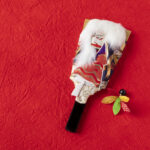
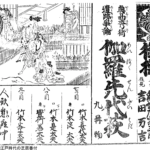
One of the subjects of the puppet is taken from the Noh play “Ishibashi” (stone bridge) and the Kabuki play “Renjishi,” which is derived from the Chinese legend that the lion, the king of beasts, would test his cubs to see if they could crawl back up to him by dropping them into a ravine. The lion with white hair is the parent lion and the lion with red hair is the child lion. The doll showing the standing posture of the parent lion alone is called “Kagami-jishi” (mirror lion).

新着・おすすめ情報

  1. clothing (e.g. kimono) decorated with one’s family crest

  2. Manju, Monaka, Daifuku, etc.: Manners for Eating Wagashi without Worrying about Public Appearances Anymore

  3. Mukojima Hyakkaen

  4. Interview with Kotaro Ishikawa of Ishikawa Tortoiseshell Works, which is committed to passing on the traditional techniques of Edo tortoiseshell to the future .

  5. Tokyo Literature Walk] No.3: Waseda Area. Soseki Natsume and Waseda University, a journey tracing the scent of modern literature and culture

  6. halberd

  7. sake specially produced without added alcohol or sugar

  8. Nezu Shrine (Nezu, Tokyo)

  9. To make swords a part of our daily lives. The future of swords is the goal of Nihon Katana, a long-established sword specialty store.

  10. 【第21回】古文書から紐解く江戸につながる「そば切り」の伝承

  11. brewing

  12. single pattern on the entirety of a garment

  13. Kiyosumi Garden

  14. Katori Shrine, Kameido, Tokyo

  15. Japanese dessert consisting of two slices of kasutera (sponge cake) with red bean jam in between