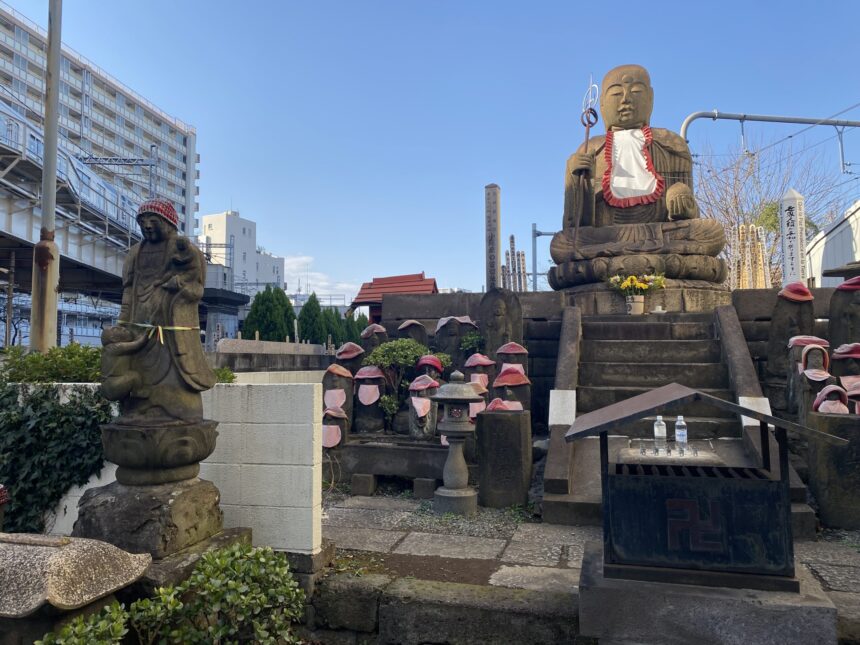
Enmeiji Temple, Jizo (a jizo that cuts off the head) / Kozukabara Penitentiary Site (Minami-Senju, Tokyo)

historic sitetemple (Buddhist)Ueno, Yanaka, Nippori

Enmeiji Temple, Jizo (a jizo that cuts off the head) / Kozukabara Penitentiary Site (Minami-Senju, Tokyo)(Kubikiri Jizo of Enmeiji Temple, Site of Kozukahara execution chamber)

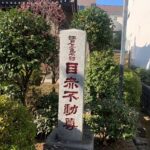
place of executionKozukahara Penitentiarydesignated cultural propertystone monument bearing an inscription (esp. memorial for future generations)Kubiki Jizo, the guardian deity of children

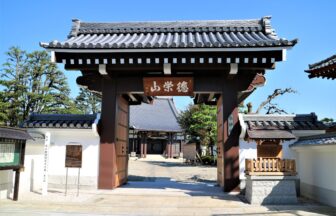
Enmeiji Temple is a temple of the Jodo sect, which became independent from Kozukabara Kaikyoin in 1982. This area was the site of the Kozukahara Penitentiary, where about 200,000 people were executed in the Edo period (1603-1867), along with the Suzugamori Penitentiary in Shinagawa, until it was abolished in the early Meiji period (1868-1912). It is a distinctive feature of the temple. The Jizo also served the role of mourning the souls of those who had fallen ill along the Nikko Kaido Road, in addition to providing peace of mind to criminals who had been sentenced to death. Since the Meiji Restoration, it has been worshipped by the local people as a Jizo that is beneficial for warding off calamities and curing illnesses.

Spot OutlineOutline

address (e.g. of house) 2-34-5, Minami-Senju, Arakawa-ku
Access 2 min. from JR and Subway Minami-Senju Sta.

phone 03-3807-0897
Founding and opening of business 1741

新着・おすすめ情報

  1. What does “Namida (sushi)” mean?

  2. Daiba Park (Odaiba, Tokyo)

  3. steamed fish-paste cake, sliced to decorate soup (type of kamaboko)

  4. The characteristics of “koshu” (old sake) explained [Words related to sake].

  5. Zuijin” is a male doll that serves as an escort for O’naira-sama [Hina Dolls].

  6. Hakata doll

  7. long sword

  8. The history is more than 670 years old. Shioze Sohonke”, the creator of “sweet Japanese buns” with a grand history.

  9. Sugamo Koshinzuka (Sugamo, Tokyo)

  10. special brewing

  11. 【第24回】海苔と海苔を使った蕎麦メニューの歴史

  12. To preserve traditional culture, we also consider the treatment of craftsmen. What does the long-established “Edoya” think of “succession”?

  13. What is included in “chopstick washing” in kaiseki cuisine? In what order are they served?

  14. What is the custom of Nagashi Hina? [Words of Hinamatsuri

  15. Rikugien