undershirt

Japanese clothing

undershirt(zyuban)

Japanese clothesclothing

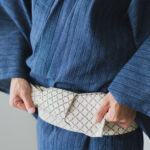
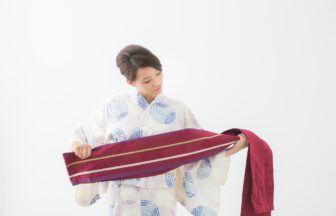
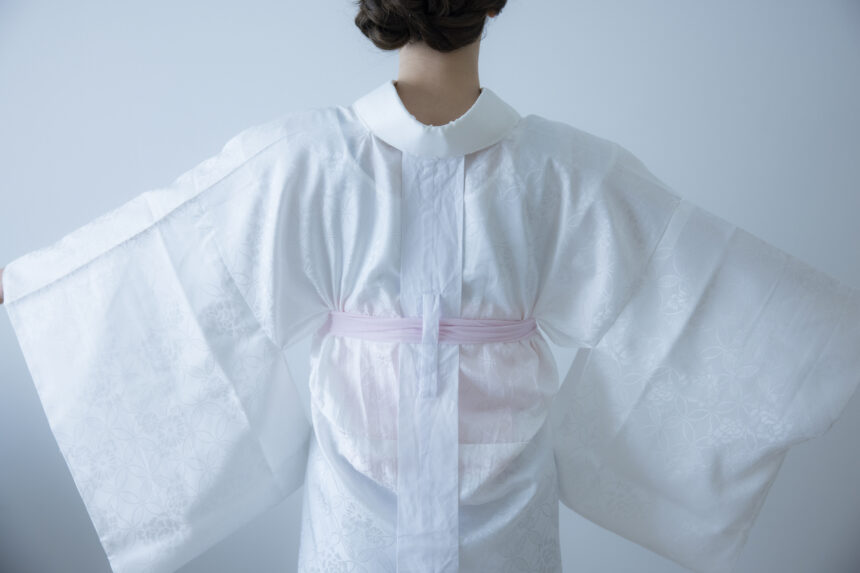
Underwear for kimono. It prevents the kimono from becoming soiled with sweat and dust. There are three types of underwear: hada-juban, nagajuban, and han-juban. Hada-juban is the lowest type of underwear and is made of white cotton to absorb perspiration easily. A hanjuban is an undergarment similar to a kimono that is worn over the hanjuban, and can be worn with a half collar to give the effect of wearing a kimono over the undergarment. Since it may be slightly visible through the sleeves and hem, it can be more interesting if you pay attention to the color and pattern of the kimono. A hanjirubin is a short underwear with a half collar attached, and is usually worn together with a hemmodukake because of its short length. When wearing a han-riban, the long lintel is not worn.

新着・おすすめ情報

  1. Katsusenji Temple Enma Opening in Kitasenju! A New Year’s tradition with stalls on the first Enma day

  2. Nara Ningyo” is characterized by the powerful touch of a single sword digging. What is the meaning behind it?

  3. Abiru Shrine (Akiruno, Tokyo)

  4. Long-established souvenirs to buy in Asakusa! 6 recommendations including famous Japanese sweets [Food].

  5. Samurai dolls” for Dragon Boat Festival. When did they come to be displayed?

  6. Okadaya Fuse” has a history of 188 years.

  7. Fukutoku Shrine Meibuki Inari (Nihonbashi, Tokyo)

  8. Virudhaka (Buddhist deity)

  9. Yuri Shikaku] Toraya’s Yokan, a must-have for a mountain snack. How to enjoy Japanese sweets that reflect the changing of the seasons

  10. Musashino Central Park (Musashino, Tokyo)

  11. showy collar

  12. Meishu no Taki Park (Oji, Tokyo)

  13. Shinko Matsuri (torch festival) is held at Kameido Tenjinja Shrine! A solemn spring fire festival in memory of Sugawara no Michizane

  14. Umezono, a long-established sweet shop in Asakusa. Brand is established through trust with customers and business partners.

  15. Oshima tsumugi weave