

Oshima tsumugi weave

Japanese clothing

Oshima tsumugi weave(Oshimatsumugi)

Japanese clothesclothing

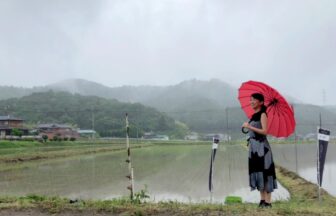
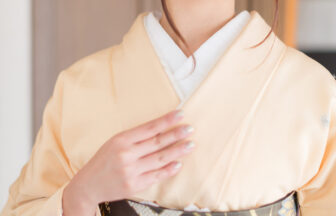
This is a pongee made around Kagoshima City and Amami-Oshima City in Kagoshima Prefecture and Miyakonojo City in Miyazaki Prefecture. Hand-spun silk yarns are dyed in advance with a liquid made by boiling Teichigi (a plant native to Amami Oshima) and mud containing iron. The silk yarns are hand-spun and dyed in advance with mud containing iron and liquid made from boiled Teach tree (a plant native to the Amami Oshima region), and then woven into patterns by hand. The deep, glossy black color is a characteristic feature of the cloth, and the patterns, mainly of natural plants and flowers, have varied with the times and technological innovations. Originally worn by farmers for their own use, it became the top delivery item for the Shimazu clan (present Kagoshima Prefecture) during the Edo period (1603-1868), and since the Meiji period (1868-1912), it has established its brand as a luxury kimono fabric through strict quality control and exhibition at expositions and other events. It is one of the world’s three major textiles (Gobelins in France and Persian carpets in Iran), and was designated as a traditional Japanese craft in 1975.

新着・おすすめ情報

  1. oldest surviving traditional style of sake making

  2. underskirt (half-slip), worn under kimono

  3. Long-established souvenirs to buy in Asakusa! 6 recommendations including famous Japanese sweets [Food].

  4. black formal kimono with designs along the bottom of the skirt worn by married women on ceremonial occasions

  5. Where does the name “Sakura Denbu” come from? How is it made?

  6. Interview with Kotaro Ishikawa of Ishikawa Tortoiseshell Works, which is committed to passing on the traditional techniques of Edo tortoiseshell to the future .

  7. What is the origin of the name “Yamato Doll”? What kinds of dolls are there?

  8. Suzuki Ruins Museum

  9. Gotokuji Temple (Setagaya, Tokyo)

  10. Tokyo Literature Walk] No.3: Waseda Area. Soseki Natsume and Waseda University, a journey tracing the scent of modern literature and culture

  11. grilled eel

  12. Minori Kai] 7 souvenirs from long-established shops in Tokyo that you want to give with a story.

  13. Where did okame soba originate? Ingredients used are also explained.

  14. What innovations have been made at Nimben, a 321-year-old dried bonito flakes business?

  15. Old Furukawa Garden (Komagome, Tokyo)