Tanashi Shrine (Tanashi, Tokyo)

Shinto shrineHachioji, Machida, Fuchu

Tanashi Shrine (Tanashi, Tokyo)(Tanashi Shrine)

National Tangible Cultural PropertiesTokyo Metropolitan Government Designated Cultural Properties

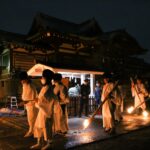
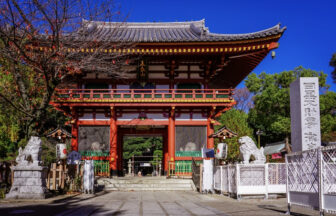
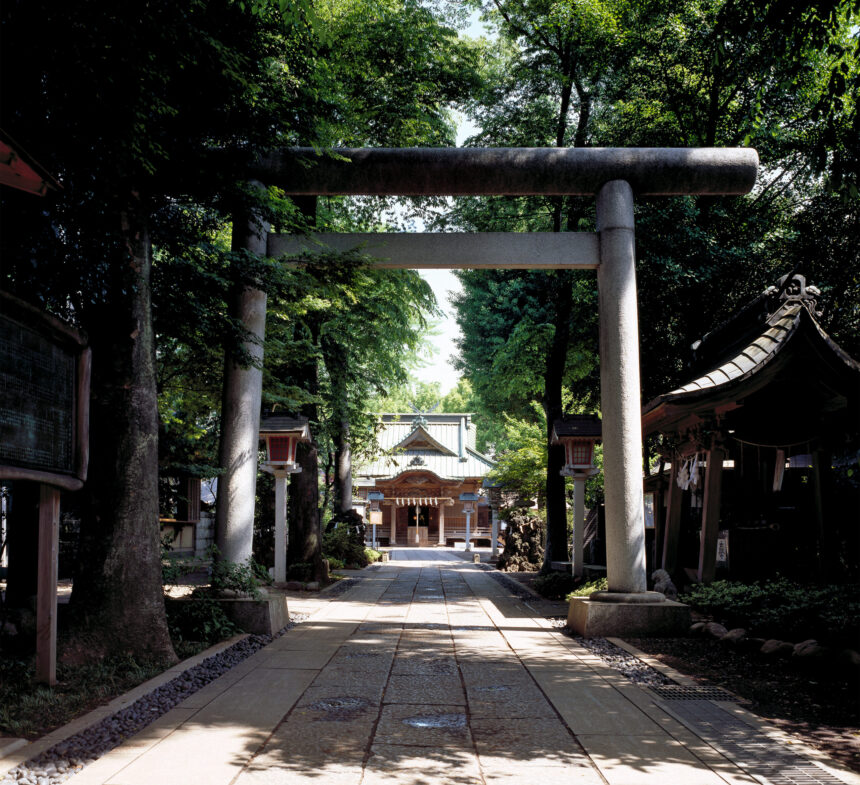
Founded in the Kamakura period (1185-1333), the shrine was originally located on Miyayama in Kitayado, about 1 km north of the present site, and was called Shodo-no Gongen. In the Edo period (1603-1867), when Tanashi began to flourish as a post town on the Ome Kaido highway, it was moved to its present location and renamed Tanashi Shrine after the Meiji Restoration. The main deities are Shinatsuhiko-no-mikoto and Shinatobe-no-mikoto, gods of the wind, and Okuninushi no-mikoto. Based on the philosophy of the five elements, five dragon deities (gold, black, white, red, and blue dragons) are enshrined in the main shrine and various places on the shrine grounds, and in recent years the shrine has attracted many visitors as a power spot to ward off the elements. The main shrine and worship hall are designated as cultural properties by the Tokyo Metropolitan Government, and the sanjuden is a nationally registered tangible cultural property. Image courtesy of Tanashi Shrine

Spot OutlineOutline

address (e.g. of house) 3-7-4 Tanashi-cho, Nishitokyo-shi, Tokyo
Access Six-minute walk from Tanashi Station on the Seibu Shinjuku Line.

phone 042-461-4442
External Links

Official Web Site

Founding and opening of business Kamakura period (1185-1333 CE)

新着・おすすめ情報

  1. mixture of boiled beans, jelly cubes, fruit pieces and molasses

  2. Ryu Kobo in Nihonbashi has been innovating braided cord culture for more than 130 years.

  3. Tips for choosing a restaurant and points to consider for a successful business dinner

  4. special brewing

  5. 【第28回】蕎麦のつなぎに小麦粉を使用する理由

  6. Tsukiji Catholic Church (Tsukiji, Tokyo)

  7. When should I send out my summer greeting cards in 2023? Is it OK to send it by e-mail? Common sense and examples of sentences you should know

  8. Innovation by “Shinseido”, creator of the unconventional and popular “Seppuku Monaka” product

  9. Koami Shrine (Ningyocho, Tokyo)

  10. sweet half sake

  11. Kiyosumi Garden

  12. Hamarikyu Gardens

  13. Koishikawa Korakuen

  14. Akasaka Imperial Villa

  15. Seiro soba (buckwheat noodles)