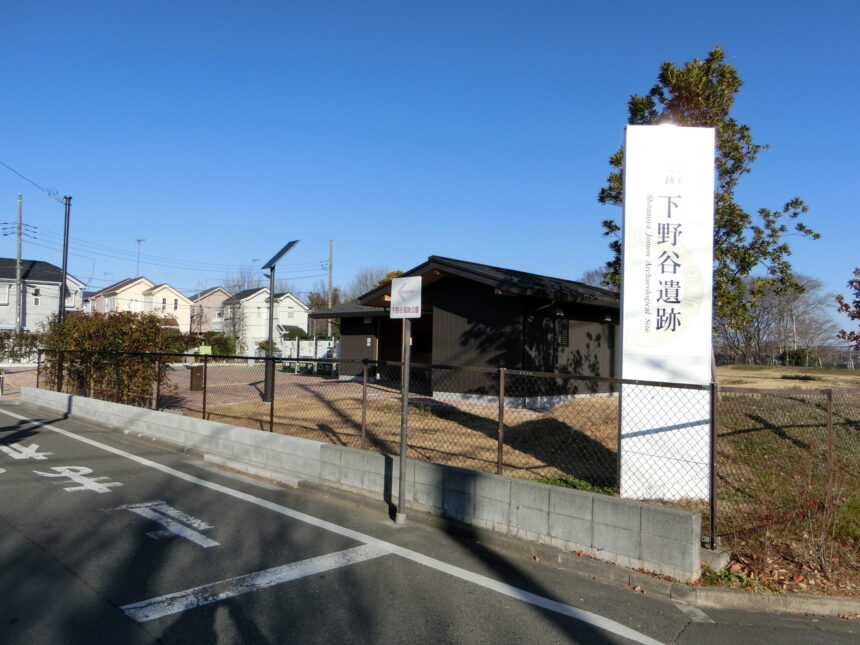
Shimonotani Ruins Park (Higashifushimi, Tokyo)

Parks & Gardenshistoric sitehistoric ruins (remains, relics)Kichijoji, Suginami

Shimonotani Ruins Park (Higashifushimi, Tokyo)(Shitanoya Heritage)

National Historic Site

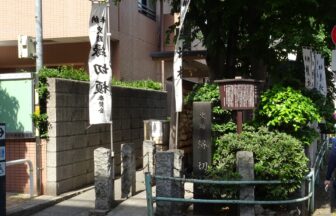
The Shimonotani Site, located in Higashifushimi 2-chome, 3-chome, and 6-chome, Nishi-Tokyo City, is a ring settlement of the Middle Jomon Period (approximately 5,000 to 4,000 years ago), and boasts an enormous amount of pottery, stone tools, and other artifacts, making it outstanding in scale and content in the southern Kanto region. In 2015, part of the site was designated as a National Historic Site. The village consists of a plaza with a group of clay pits surrounded by a row of dwelling sites and dugout pillar buildings, and is a typical ring village of the middle Jomon period. Furthermore, since there are several such ring settlements across the valley, forming a “twin ring settlement,” it is thought to have been a hub settlement in the Shakujii River basin. A portion of the site has been developed as the Shimonotani Ruins Park.

Spot OutlineOutline

address (e.g. of house) 6-4 Higashifushimi, Nishitokyo-shi, Nishitokyo
Access 7 minutes walk from Higashifushimi Station on Seibu Shinjuku Line

External Links Official Web Site
Founding and opening of business the Jomon period

新着・おすすめ情報

  1. Enmeiji Temple, Jizo (a jizo that cuts off the head) / Kozukabara Penitentiary Site (Minami-Senju, Tokyo)

  2. Inheriting the craftsmanship of making each toothpick one by one. Commitment to “Nihonbashi Saruya,” the only toothpick specialty store in Japan

  3. What is Dragon Boat Festival?

  4. 【第6回】9月に当店で「生姜切りそば」を出す理由

  5. Kaga Yuzen

  6. The lineup of the “five musicians” also has a meaning.

  7. Koishikawa Korakuen

  8. Edo-Tokyo Open-Air Architectural Museum (Koganei, Tokyo)

  9. 【第9回】蕎麦屋で人気の「天せいろ」の歴史

  10. type of soft Japanese confectionery made with rice flour (somewhat similar to Turkish delight)

  11. What is the difference between kaiseki ryori and kaiseki cuisine? Explanation of the origin and manners you should know!

  12. soup served at the end of a traditional Japanese dinner

  13. skewered eel roasted and wrapped in fried egg

  14. When is “new sake” made? Words related to sake

  15. soba cup