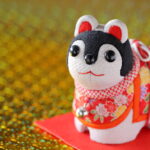
Fuzoku ningyo” are dolls that reflect the customs of various regions in Japan. There are Edo genre dolls, Kyoto dolls, etc.

puppet

Fuzoku ningyo” are dolls that reflect the customs of various regions in Japan. There are Edo genre dolls, Kyoto dolls, etc.(fuzokuningyo)

traditional craft

Dolls reflect the customs of various regions of Japan. The origin of these dolls is said to date back to the Heian period (794-1185). The best known examples are Edo genre dolls made in Edo, the center of culture and politics at the time when the shogunate was established, and Kyoto dolls made in Kyoto, where the imperial court was established for a long time and a unique culture was built. The subjects of these dolls include Noh, Kyogen, Kabuki, Japanese dance, and prostitutes. The process of making dolls is often divided into detailed divisions of labor.

新着・おすすめ情報

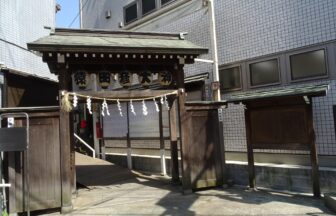
  1. Shinagawa Shrine (Kita-Shinagawa, Tokyo)

  2. Tokyo Literature Walk] No. 1: Walking around Asakusa, a treasure house of modern literature

  3. Can you guess what are the five colors of the “fukiage” that is attached to the top of the carp streamer?

  4. Enoki mushroom (Hypsipetes amaurotis)

  5. Eitaro Fuhonshop located at the foot of Nihonbashi Bridge. Traditional techniques and a desire to “create new wagashi

  6. When did “taru-shu” begin to be made? Words related to sake

  7. 【第23回】蕎麦屋店主が考える真の蕎麦「通」の定義

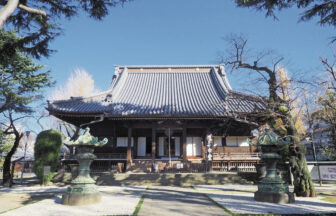
  8. Zenjoan (Yanaka, Tokyo)

  9. Hamarikyu Gardens

  10. Founded by a “Brush Master” who was a personal assistant to the Tokugawa Shogun. Edoya” has been providing brushes and bristle brushes for 300 years.

  11. Kanto style and Kansai style (broiled eel)

  12. double-woven obi

  13. Meishu no Taki Park (Oji, Tokyo)

  14. Denmacho Prison Residence Site (Jushikouen)

  15. chopped kabayaki eel on rice