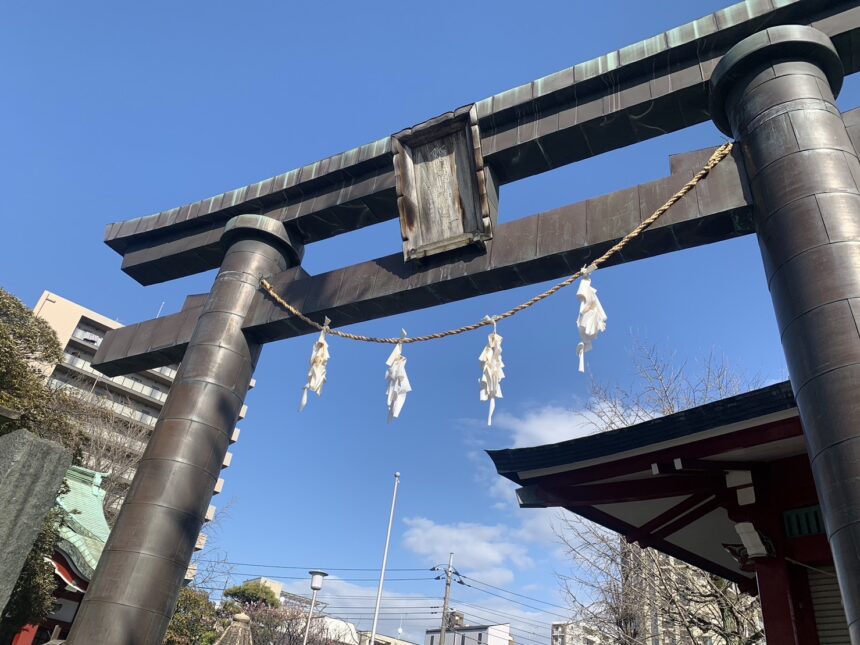
Kawaramachi Inari Shrine (Kitasenju, Tokyo)

Shinto shrineAsakusa (department store)

Kawaramachi Inari Shrine (Kitasenju, Tokyo)(Kawara Inarijinja Shrine)

brothel (covering up as a tea house)Seven Gods of FortuneSenju Greengrocery Marketwalkregistered cultural propertytall headed god of happiness, wealth, and long life

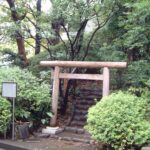
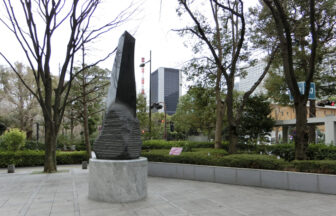
The shrine is the guardian deity of Senju Kawaramachi, and was once the guardian deity of Senju Aomono-Ichiba, one of the three largest markets in Edo (along with Kanda and Komagome) and known as “Yaccha-ba” (the market for produce). Although the date of construction is unknown due to the destruction of buildings and records in the war, it is believed to have been built around 1576, since there is a “Memorial Monument for the 330th Anniversary of Senju Aomono-Ichiba” dated 1906 in the precincts of the market. The mikoshi (portable shrine) dressed in gold and bronze, which escaped the fires of war, is registered as a cultural property of Adachi Ward. The shrine is also crowded with worshippers who make the Seven Deities of Good Fortune pilgrimage, as it enshrines Fukurokuju, one of the seven gods of good fortune.

Spot OutlineOutline

address (e.g. of house) 10-13 Senjukawaracho, Adachi-ku, Tokyo
Access 2 minutes from Senju Ohashi Station on the Keisei Main Line

phone 03-3888-6902
Business Hours 9:00~16:00
External Links

Official Web Site

新着・おすすめ情報

  1. Tokyo Grand Shrine

  2. single pattern on the entirety of a garment

  3. Otomeyama Park (Takadanobaba, Tokyo)

  4. Imado Shrine (Asakusa, Tokyo)

  5. The taste of soba-tsuyu is the character of the restaurant. What is the taste that Sarashina Nunoya has continued to preserve?

  6. light crimson (dye)

  7. Enmeiji Temple, Jizo (a jizo that cuts off the head) / Kozukabara Penitentiary Site (Minami-Senju, Tokyo)

  8. 大塚天祖神社(東京・大塚)

  9. Ruins of Katsunuma Castle (Ome, Tokyo)

  10. well-established

  11. Continuing to exist is a brand. What “Nihonbashi Saruya,” a toothpick specialty store, thinks a brand should be.

  12. Gansenen Park (Waseda, Tokyo)

  13. Hibiya Park

  14. When do we display the “Akumayumi” outside of Children’s Day? Explanation of its origin

  15. Bon Festival gifts