sandbar that projects into the ocean, particularly in a wavy form

Japanese confectionery

sandbar that projects into the ocean, particularly in a wavy form(suhama)

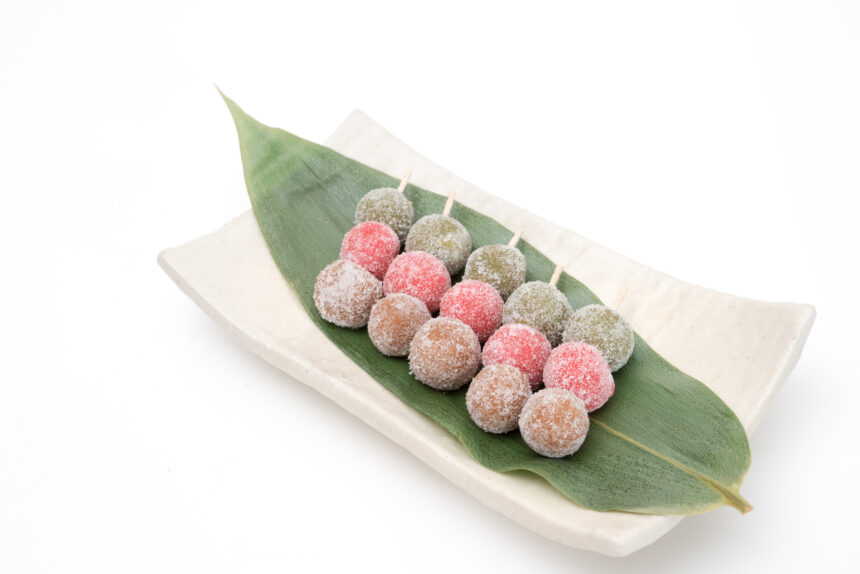
Soybeans or green soybeans are roasted and ground into flour, which is then mixed with sugar and starch syrup, kneaded into a stick shape, and cut into a “suhama-gata” (a shape of a small island floating in the sea, with a sandbar on three sides at low tide. The cut end is shaped like a “suhama-gata” (a small island in the sea with a sandbar on three sides at low tide, a lucky charm displayed at weddings and other ceremonies). It is said to have originated from a Japanese confectionery in Kyoto, and the first owner of the store made it based on a local delicacy from the southeastern part of Omi Province (present-day Shiga Prefecture). The same ingredients are rolled into dumplings called suhama dumplings, which are also a specialty confectionery of Kyoto.

新着・おすすめ情報

  1. What is the difference between kaiseki ryori and kaiseki cuisine? Explanation of the origin and manners you should know!

  2. clothes for a newborn baby

  3. Hakata doll

  4. What does a “prop maker” do? The Craftsman Who Creates Puppets Series

  5. What is “Uguisumochi”? Which season is it?

  6. Honshiba Park (Tamachi, Tokyo)

  7. Katsusenji Temple Enma Opening in Kitasenju! A New Year’s tradition with stalls on the first Enma day

  8. When did the Hina Matsuri (Peach Festival) begin?

  9. Gotokuji Temple (Setagaya, Tokyo)

  10. What kind of doll is “Oyama Doll”? What is the origin of the name?

  11. Inari-zushi

  12. point (of a sword, etc.)

  13. large sword

  14. The company has 25,000 followers on social networking sites! Nihonbashi Benshitsu Sohonten, Japan’s oldest bento shop that delivers the taste of a long-established shop while using modern tools.

  15. Why display “Armor Decorations” on Dragon Boat Festival. Armor is not for fighting…