What kind of doll is “Oyama Doll”? What is the origin of the name?

puppet

What kind of doll is “Oyama Doll”? What is the origin of the name?(Oyamaningyo (Oyamaningyo)

Japanese puppet theatre in which recited narrative and dialog is accompanied by a shamisen (forerunner of bunraku)traditional craft

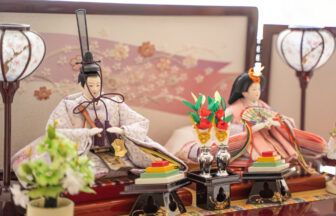
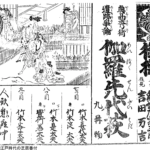
A generic name for dolls in the female form. One of the costume dolls. In the early Edo period (1603-1868), Jirozaburo Koyama, a master puppeteer of ningyo joruri (puppet theater), was so skillful in handling female dolls that the name was taken from his name and used to refer to female dolls (various theories exist). In the latter half of the Edo period (1603-1867), dolls began to be actively produced. The wisteria girl (a Japanese dance performance featuring wisteria flowers) and shiokumi (a Japanese dance performance depicting a woman drawing water) were also popular. These very glamorous dolls are based on Japanese dance and Kabuki plays such as Wisteria Musume (a Japanese dance performance featuring wisteria flowers) and Shiokumi (a Japanese dance performance depicting a woman drawing water), and are dressed in the hairstyles and costumes of these scenes. Characteristic of these dolls are their elaborate construction and gorgeous costumes, and doll makers carefully craft every detail of their facial expressions, hairstyles, and costumes. Costumes are made of high-grade materials such as silk and gold thread, and some are embroidered and decorated with gold leaf. Because of their gorgeous appearance, they are often displayed at festive occasions and are often given as gifts for weddings, housewarmings, Shichi-Go-San, and other celebrations. They are also called onnagata ningyo, koyama ningyo, or oyama ningyo.

新着・おすすめ情報

  1. Suzuki Ruins Museum

  2. 三島神社(東京・鶯谷)

  3. The same manufacturing method since the establishment of the company. Interview with Satoru Nakamura, the 7th generation of Shirokiya Nakamura Denbei Shoten, who weaves Edo brooms using craftsmanship passed down from generation to generation .

  4. The characteristics of “koshu” (old sake) explained [Words related to sake].

  5. box lunch (containing rice and 10-15 small portions of fish, meat, and vegetables)

  6. Hakata doll

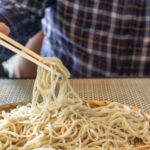
  7. 【第10回】なぜ蕎麦は「細くて長い」が定着したのか

  8. Kansai-style sushi (esp. pressed sushi, such as battera)

  9. Philosophical Hall Park (Araiyakushi, Tokyo)

  10. Fuzoku ningyo” are dolls that reflect the customs of various regions in Japan. There are Edo genre dolls, Kyoto dolls, etc.

  11. Selecting the best materials for each application and finishing them with craftsmanship: the pride of the long-established “Edoya”, which has been in business for 300 years, in the creation of brushes and bristle brushes.

  12. Shimbashi Tamaki-ya has been in business for 240 years, and serves everything from tsukudani (food boiled in soy sauce) to glaces to add color to Japanese and Western dining tables with its “Hikiku, Gentle, and Warm” service.

  13. Sohonke Sarashina Horii, a soba restaurant with a long line. The taste that they have arrived at in pursuit of the possibility of buckwheat noodle

  14. Seppuku monaka” and “Keikyuu monaka” …… “Shinshodou” produces wagashi that are both humorous and delicious.

  15. What is “Gyoku (sushi)”?