Metropolitan Takiyama Park, Ruins of Takiyama Castle

Parks & GardensHachioji, Machida, Fuchu

Metropolitan Takiyama Park, Ruins of Takiyama Castle(Takiyama Nature Park and Takiyama Castle Ruins)
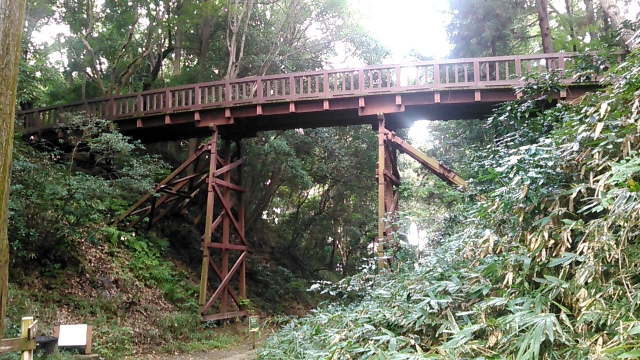
National Historic Sitecastlecherry treeJapan’s 100 greatest castles

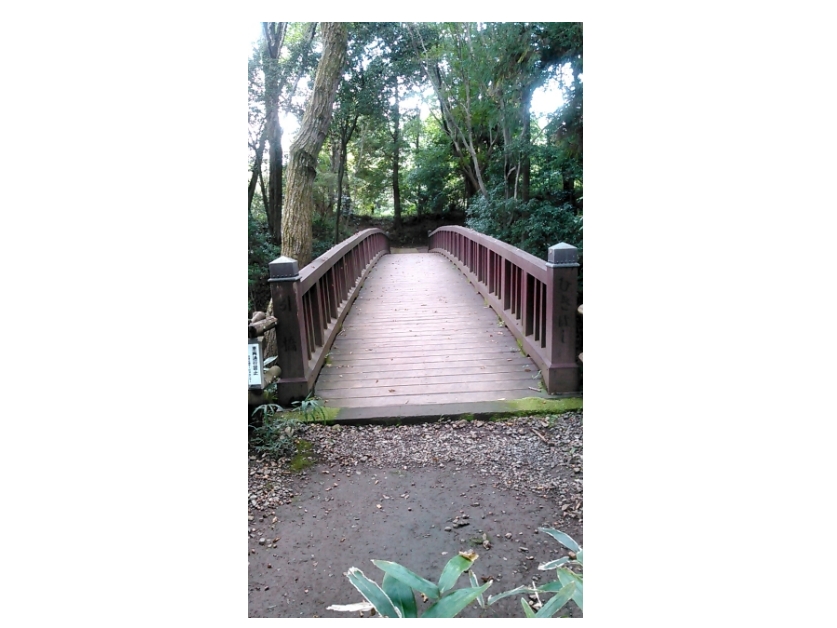
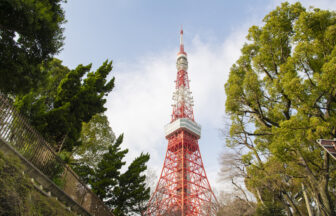
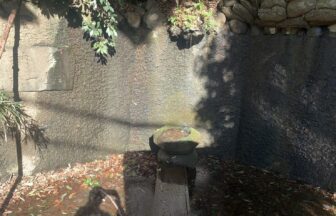
The ruins of Takiyama Castle, one of the most prominent medieval castle ruins in Japan and designated as a national historic site, are said to have been moved in 1521 by Sadashige Oishi, the guardian of Musashi Province, who built Takiyama Castle from Takatsuki Castle. Later, the castle came under the jurisdiction of the Hojo clan, but was abandoned in 1590 (Tensho 18). In 2017, the castle was selected as one of the “100 Great Castles of Japan” by the Japan Castle Builders’ Association. The ruins of the castle and its surrounding area have been developed as a metropolitan park with lush greenery, and it is also one of the best places in Tokyo for cherry blossom viewing.

Spot OutlineOutline

address (e.g. of house) Takatsuki-cho, Hachioji City, Tokyo
Access From Keio-Hachioji Station on the Keio Line or Hachioji Station on the JR Chuo Line, take a bus bound for Tobuki, Akikawa Station via Hiyodori Mountain Tunnel, or Tobuki Sports Park Entrance via Hiyodori Mountain Tunnel. 15-minute walk from Takiyama Joshi Shita bus stop.

phone 042-623-1615 (Komiya Park Service Center)
Business Hours always open
regular closing day nashi (Pyrus pyrifolia, esp. var. culta)
External Links

Official Web Site

Founding and opening of business 1521 (Oei era)

新着・おすすめ情報

  1. What does a “Hands and Feet Master” do? The series of craftsmen who make dolls

  2. What is “moromi”? Words related to sake

  3. Sengakuji Temple

  4. Imado Shrine (Asakusa, Tokyo)

  5. Types of “Hina Dolls.” What are the characteristics of their costumes?

  6. Tokyo Literature Walk] No. 1: Walking around Asakusa, a treasure house of modern literature

  7. Kawaramachi Inari Shrine (Kitasenju, Tokyo)

  8. small coloured sugar candy covered in bulges

  9. What kind of doll is “Oyama Doll”? What is the origin of the name?

  10. Tokyo Grand Shrine

  11. Zenjoan (Yanaka, Tokyo)

  12. Nara Ningyo” is characterized by the powerful touch of a single sword digging. What is the meaning behind it?

  13. ratio indicating the quantity of polished rice gained from a given quantity of brown rice (nowadays usually expressed as a percent)

  14. What is included in “chopstick washing” in kaiseki cuisine? In what order are they served?

  15. light broth made of jellied sweet bean paste