Ruins of Otama-ga-ike Pond

historic siteOchanomizu, Yushima, Korakuen

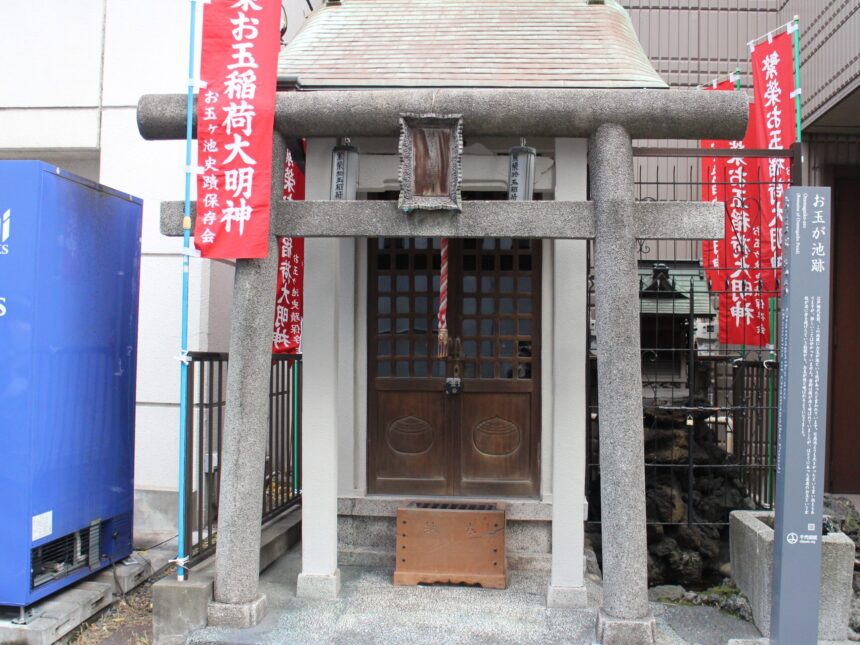
Ruins of Otama-ga-ike Pond(Otamagaike-ato)

Shusaku ChibaShinsengumipond

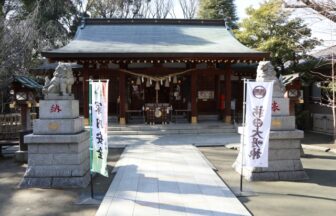
Otama-ga-ike Pond is said to have been as large as Shinobazu Pond during the Edo period (1603-1868), but was reclaimed in the late Edo period and turned into a residential area. The name comes from an anecdote about Otama, the signboard girl of a teahouse by the pond, who was caught between the affections of two men and threw herself into the pond, and a shrine dedicated to Otama, “Otama Inari,” still remains today. At the end of the Edo period, Shusaku Chiba’s dojo, Genbukan, was located here, where members of the Shinsengumi and Ryoma Sakamoto also attended, and “Otama ga Ike” was sometimes used to refer to Genbukan. The Shozan Sakuma, a scholar of Shuji, also held a cram school here, and the area seems to have been a gathering place for both literary and military talents.

Spot OutlineOutline

address (e.g. of house) 2-7 Iwamoto-cho, Chiyoda-ku, Tokyo
Access 5 minutes from Iwamoto-cho Subway Station

phone nashi (Pyrus pyrifolia, esp. var. culta)
Business Hours 24 hours
regular closing day nashi (Pyrus pyrifolia, esp. var. culta)

新着・おすすめ情報

  1. What are the roles of the “three courtesans”? What do each of them bring with them?

  2. Honmyoji Temple (Sugamo, Tokyo)

  3. Takao Yakuoin (Mt. Takao, Tokyo)

  4. To make Japanese “tea culture” widely known. Flexibility of “Gyokuho-Do” to change with the times.

  5. The 2nd “Sake Samurai”s Tour of Tokyo’s Long-established Sake Breweries with Yuki Aoi

  6. Tsukiji Catholic Church (Tsukiji, Tokyo)

  7. Samurai dolls” for Dragon Boat Festival. When did they come to be displayed?

  8. For over 300 years in Nihonbashi, we have continued to develop products that meet the needs of the times. Long-established “Nimben” dried bonito flakes

  9. Tokyo National Museum

  10. chopped kabayaki eel on rice

  11. 【第20回】家庭でも美味しく生麺の蕎麦を茹でる方法

  12. Zenjoan (Yanaka, Tokyo)

  13. method of patterning traditional Japanese clothing (the tops of all of patterns being pointed downwards)

  14. glutinous rice steamed with red beans or some other ingredient

  15. Edo-Tokyo Open-Air Architectural Museum (Koganei, Tokyo)