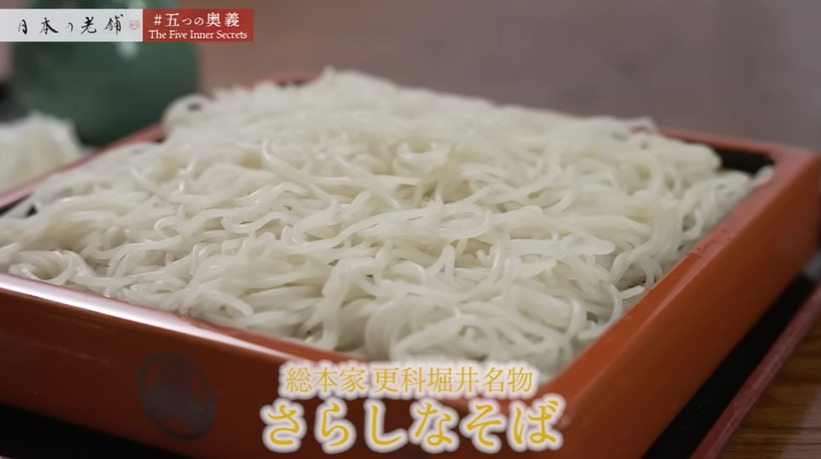
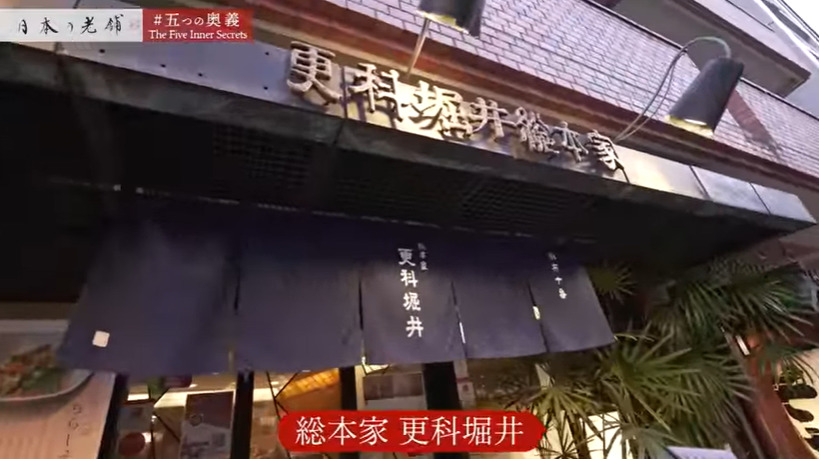
Sohonke Sarashina Horii, a soba restaurant with a long line. The taste that they have arrived at in pursuit of the possibility of buckwheat noodle

The Five Secret Secrets of Long-established BusinessesAzabu, Akasaka, Roppongitype of high quality soba

Bringing the best of Japan to the world, and the best of the world to Japan, agatajapan.

Japan is one of the few countries in the world where there are more than 33,000 long-established shops that have been in business for a hundred years. In this series of articles, we ask the owners of these long-established establishments about the “five secrets” that make them “long-established”. This time, we talked to Sohonke Sarashina Horii, a long-established buckwheat noodle shop founded in 1789 and headquartered in Azabu Juban.

The owner of the restaurant is pursuing the possibility of buckwheat noodles “scientifically. What is the ultimate buckwheat noodle, which is a combination of traditional methods and scientific thinking?

The traditional taste of over 230 years. Pure white “Sarashina-soba

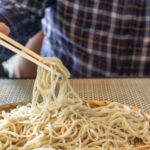
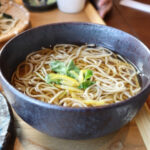
Sohonke Sarashina Horii’s specialty is “Sarashina-soba,” a pure white buckwheat noodle made only from the core of the buckwheat.

The founder, who was a peddler of Shinano cloth between Shinshu and Edo, was recognized by the Hoshina family, lords of Shinshu, for his skill in buckwheat noodle making and was encouraged to open a buckwheat noodle shop in Edo.

It is said that the name “Shinshu Sarashina Soba Restaurant” came to be called “Shinshu Sarashina Soba Restaurant” by applying the character for “family” in the Hoshina family to the sound of “kyu” in Sarashina, which was a gathering place of Shinshu soba.

The customer dining at the restaurant that day was from Matsuyama, Ehime Prefecture.

Whenever I come to Tokyo, I always have lunch here. The soba itself is delicious.

The restaurant is crowded every day with customers who come from all over Japan to enjoy the traditional taste of over 230 years.

The five secrets of long-established soba noodle shops No.1: Boiling in boiling water to make the soba noodles alpha-soft and bind them together

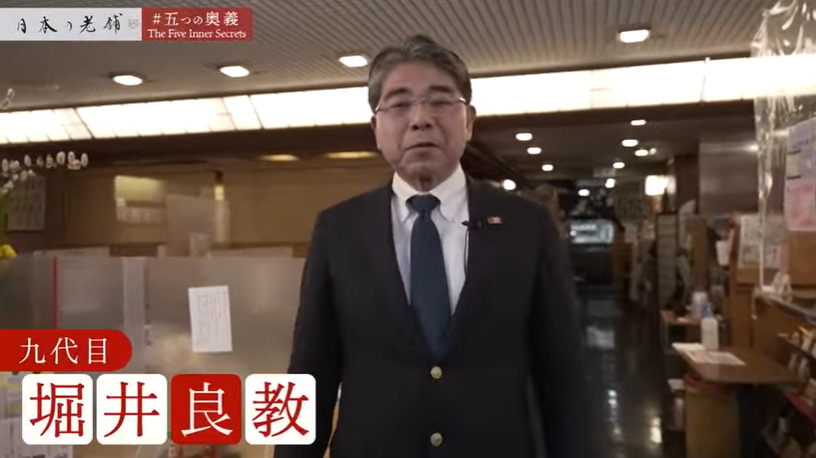
Yoshinori Horii, the ninth-generation head of Sohonke Sarashina Horii, gave us a tour of the soba noodle making area.

Sarashina-soba is made from the core of the buckwheat plant, so it is starchy. Ordinary soba noodles are held together by water-soluble proteins, but Sarashina-soba is only starchy, so we use alpha starch as the glue.

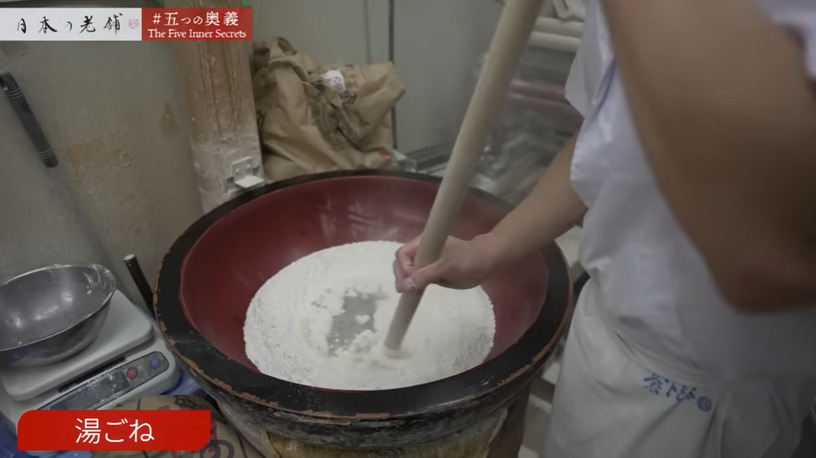
Alpha-formation is the process of heating starch with water so that the starch molecules lose their regularity and become glue-like. The unique process of making Sarashina-soba is to boil it in hot water at high temperature.

Then the alpha-alpha-ized buckwheat and buckwheat flour are quickly mixed together.

In the case of handmade buckwheat noodles, the process is called ‘rubbing, kneading, and cutting,’ and the process of rubbing is called ‘kibachi. The process of rubbing is called ‘kibachi.’ There is an old saying that goes, ‘It takes three years to rub a wooden bowl, three months to knead it, and three days to cut it.

While the heaping buckwheat noodles are made by hand, the key to sarashina soba is to cut it by machine. The machine cutting process results in a softer texture.

The Five Secret Secrets of Long-established Restaurants #2: How to Mildly Tame Soy Sauce

The broth is made from specially ordered dried bonito flakes and is thoroughly simmered.

The use of dark soy sauce is a characteristic of Edo cuisine. The broth from dried bonito flakes is full of inosinic acid, which is combined with the glutamic acid in the soy sauce to eliminate saltiness and create a synergistic effect of umami.

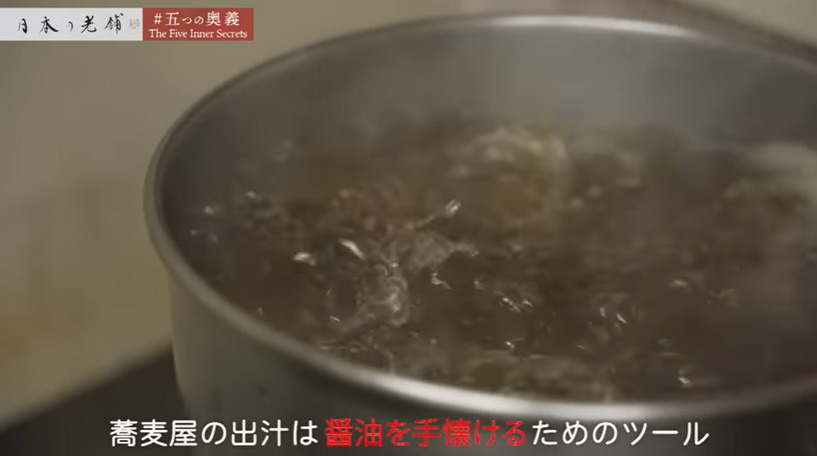
The dashi of a soba restaurant is a tool to tame soy sauce. The dashi of a buckwheat noodle restaurant is a tool to tame soy sauce, which is both a powerful flavor for making dipping sauce and a salty taste,” he says. That is the real pleasure of working at a buckwheat noodle restaurant.

Mr. Horii says that the mission of a buckwheat noodle restaurant is how to tame soy sauce and create a unique flavor.

The prepared soup is stored in a strictly temperature-controlled area.

Mr. Horii showed us something called a “mud tampo. It is a ceramic tool that has been used since the Edo period for boiling water to make soba-tsuyu (buckwheat noodle soup).

It can’t be metal. It’s ceramic, so it has fine holes inside. By placing it in boiling water, it is filtered and the larger colloids stick to it (*Colloid is a state in which a substance becomes a specific size and is dispersed in a liquid, etc.). It is said that by removing the colloids in this way, a smooth otsuyu is produced,” says Horii.

The Five Secret Secrets of Soba No.3: Tighten the buckwheat firmly to make the noodles firm.

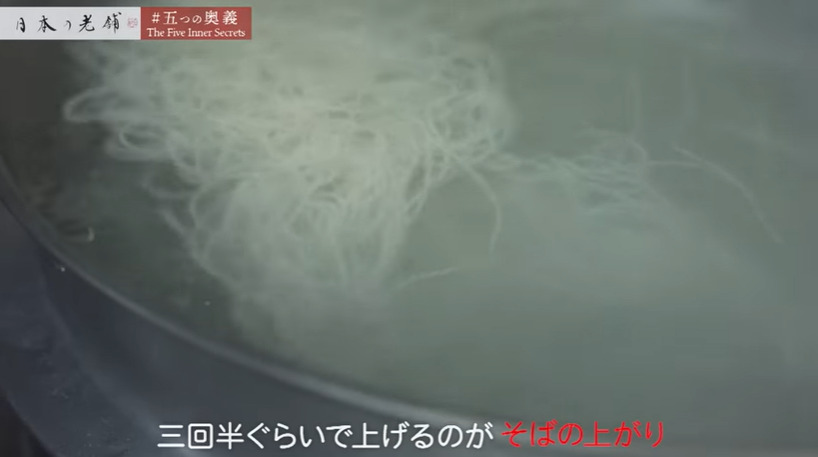
The fire in the pot is designed to hit the soba from the front, so the soba swims around in the hot water, and it is said that it takes about three and a half times to raise the soba, which is called “the end of soba.

The soba noodles are further washed in a washing tub. Finally, the buckwheat noodles are thoroughly tightened by pouring cool, clean water (make-up water) over them. The well-cooled soba noodles are taken to a colander, drained of excess water, and served in a seiro (buckwheat noodle).

There is a saying in soba noodle shops: “Before boiling is a disgrace. Pre-boiled means “too early. Al dente, which is the current trend, is a shame for soba shops. Soba is made by cooking it thoroughly and tightening it firmly. The firmness of soba is not something that exists, but something that stands up. It is comfortable when the corners of the buckwheat noodle stand up and hit your throat.

“The firmness of soba is something that stands up. For this reason, it is important to have a system that cools down the soba noodles properly.

The Five Secret Secrets of Soba No.4: Pursuing the Potential of Soba Noodles

Mr. Horii is convinced that “tasting deliciousness is an important happiness in human life. In recent years, he has been selling soba by mail order, hoping that as many people as possible will come to know the deliciousness of soba.

This desire extends overseas.

Now there is a branch in New York, and people from various countries have come to enjoy Sarashina Horii’s soba.

It’s not that anything has changed, but when I see images of New Yorkers eating soba on Instagram with the manager over there, there’s something very emotional about it,” said Horii.

The Five Secret Secrets of Long-established Businesses, Part 5: Mouthfuls by Your Side

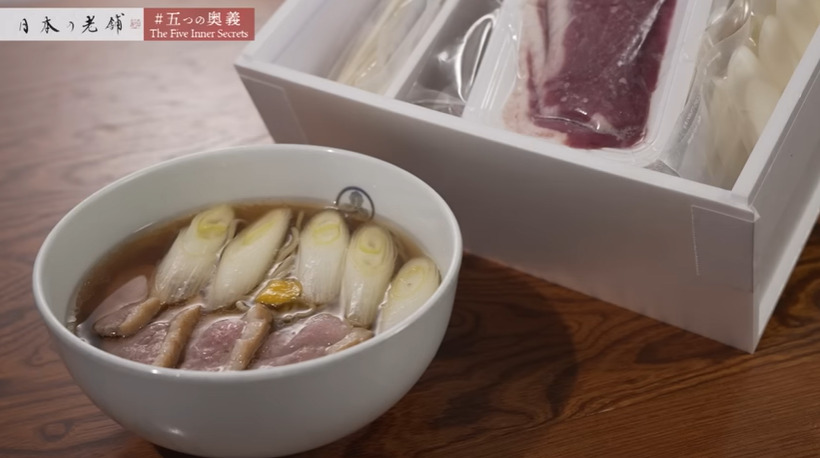
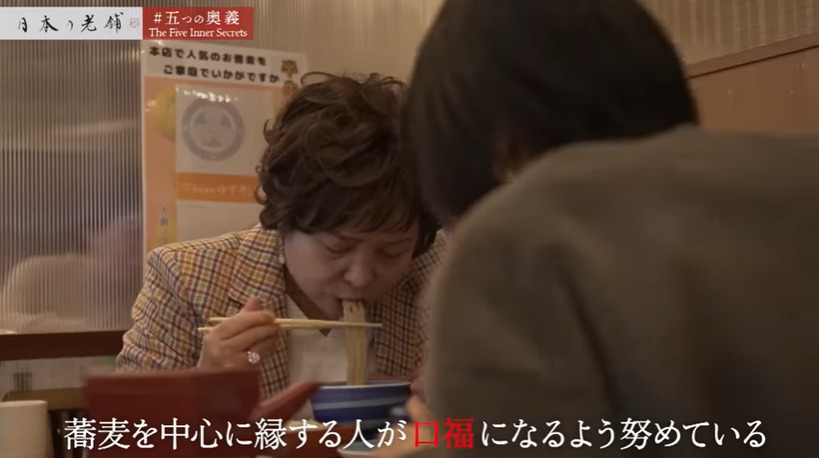
Sohonke Sarashina-Horii’s corporate philosophy is “Always have Japanese soba and Kuchifuku by your side. The word “KOUFUKU” is written on the word “KUCHI” and reads “KOUFUKU,” which means “mouthful” in Japanese.

In accordance with this philosophy, we strive to make not only our customers, but also our employees, business partners, local people, and all those who are connected to …… Soba, “Kuchifuku”.

Hanana Fujita, 29, an employee of Sarashina Horii, told us, “I’m very happy to be here.

I have always wanted to be a craftsman because I wanted to have a cool job. People around me asked me if it was okay for a girl to be a craftsman. But the president encouraged me, saying, ‘Even women should keep on doing it,’ and I was able to start making soba noodles. I feel that the company has lasted for more than 230 years because it is a company that is willing to adopt new things.

Mr. Horii says that it is important to “make a contribution that will make those you are connected to happy,” not whether it will result in money or not. He is very aware that this may result in money coming back to him.

What is the mission of a long-established company?

Sarashina Horii has been in business for over 230 years, and many customers have been coming back for generations.

I want to be very conscious of the existence of such people, and to contribute to everyone’s happiness,” said Mr. Horii.

The power of delicious soba makes everything connected to it happy. Mr. Horii continues his business today with this mission in mind as a long-established business.

Starmark Corporation

Bringing the best of Japan to the world Bringing the best of the world to Japan  Bringing the good things of tradition to the present day Bringing the good things of the present day to tradition.

For the video “The Five Secret Ways: Sohonke Sarashina-Horii Edition”, please click here.here (place close to the speaker or where the speaker is)from (e.g. time, place, numerical quantity)


新着・おすすめ情報

  1. Kaga Yuzen

  2. Honmyoji Temple (Sugamo, Tokyo)

  3. just after fall

  4. 【人形町志乃多寿司總本店】恵方巻引換券のご案内

  5. Kanda Myojin

  6. 【ホテル龍名館東京】東京ブッフェ 2月のおすすめ

  7. Shinjuku Nakamuraya Main Store

  8. What does a “hair dresser” do? Series of Craftsmen Who Make Dolls

  9. Hotel New Otani, Tokyo, Japan

  10. 【第19回】家庭でも美味しく乾麺の蕎麦を茹でる方法

  11. Preserving Kimono Culture through Tabi Shoes. What is the goal of the long-established Tabi Shoes shop “Ohnoya Fuso-Honten”?

  12. Jyksen’s “Five Deep Secrets” video is now available.

  13. Habutae Dango

  14. Amanoya

  15. The first “in-house work of a samurai”. Yoshinoya Shoten” has been lighting up the nights of Japan with Edo lanterns for 168 years.