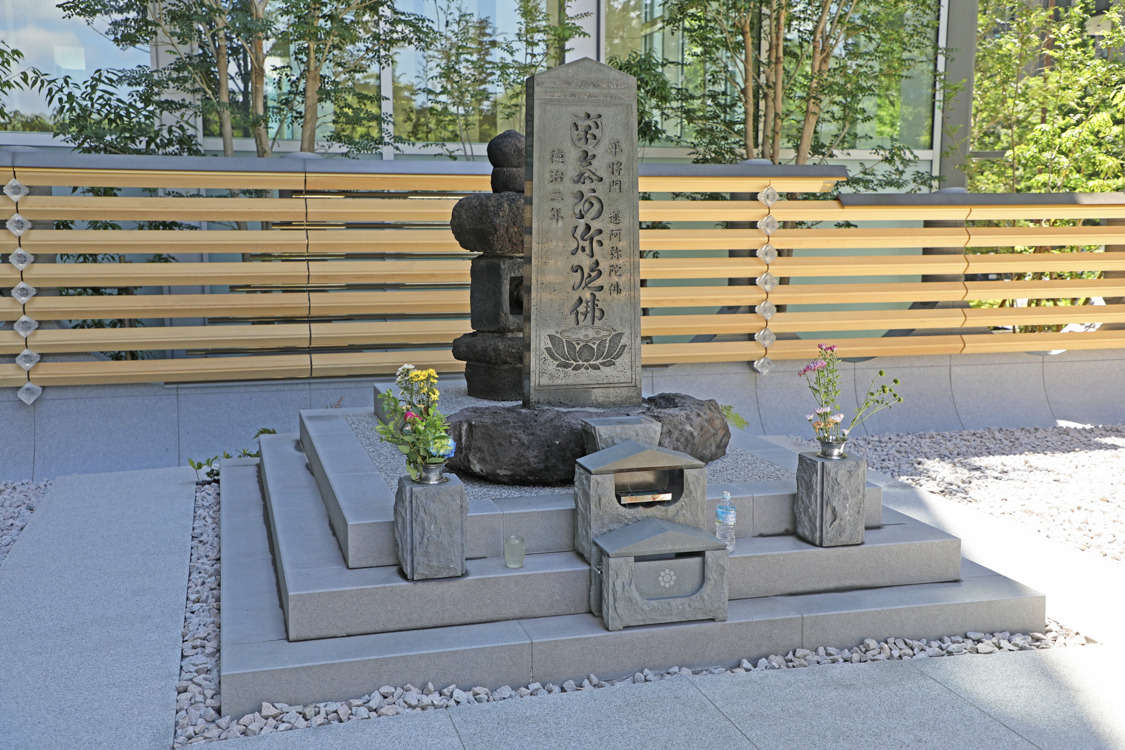
mound containing a monument to Shomon (i.e. a place of scenic beauty)

historic sitefield affiliated with a shrine (the tax-exempt proceeds of its harvest going to pay for shrine operations)

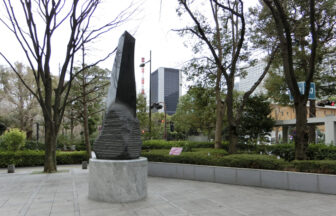
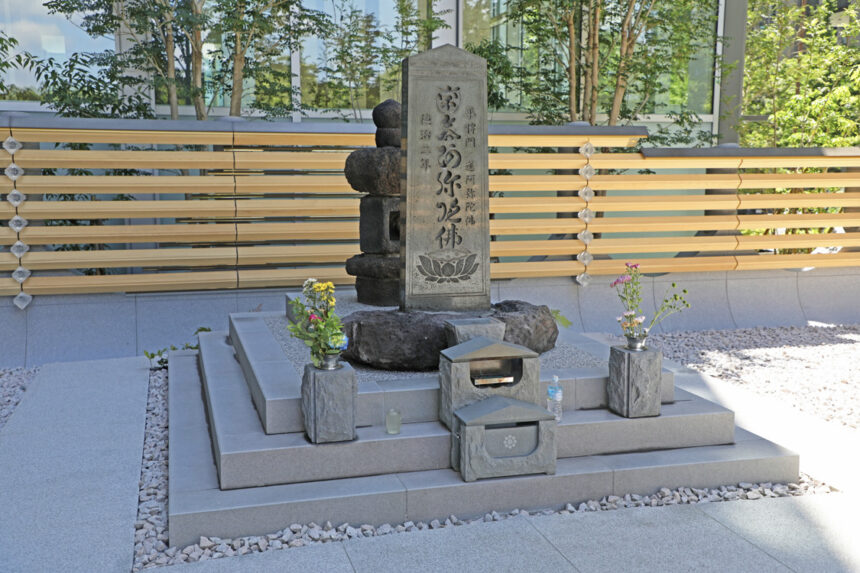
mound containing a monument to Shomon (i.e. a place of scenic beauty)(Masakado-zuka)

location thought to be flowing with mystical energy

The head of Taira no Masakado, a military commander who ruled the Kanto region in the mid-Heian period, is said to have been buried here. After rebelling against the Imperial Court, Masakado was killed in 940, and his head was taken to Kyoto and exposed. However, it is said that the head flew toward the Kanto region and landed here, where the villagers buried it and built a mound. When a plague spread during the Kamakura period (1185-1333), it was blamed on the spirit of Shogun, but it is said that the plague stopped when Taashinkyo, a priest of the Jishu sect, built a stone stupa (tablet) and made a memorial service. The mound was demolished after the Great Kanto Earthquake, but the tablet was left standing. 2021, the mound was extensively renovated and has become a popular power spot.

Spot OutlineOutline

address (e.g. of house) 1-2-1 Otemachi, Chiyoda-ku, Tokyo
Access Short walk from exit C5 of Otemachi Subway Station

External Links

Official Web Site

Founding and opening of business Mid-Heian period

新着・おすすめ情報

  1. What nutrients are contained in “buckwheat tea” that are good for the body?

  2. Ruins of Kira Residence (Honjo Matsuzaka-cho Park)

  3. When is “new sake” made? Words related to sake

  4. New Year’s gift (usu. money given to a child by relatives and visitors)

  5. Zuijin” is a male doll that serves as an escort for O’naira-sama [Hina Dolls].

  6. 浅草

  7. Japanese yam (Dioscorea japonica)

  8. You can do it yourself! How to Tie a Yukata Obi – Bunko Knot

  9. Takahata Fudo Kongoji Temple

  10. sweet burdock and miso-bean paste covered with a thin layer of mochi

  11. Kameido Tenjinja Shrine (Kameido, Tokyo)

  12. Shirokiya Denbei, a long-established shop of all-natural, 99% handmade Edo-style brooms. Why has the tradition been preserved for nearly 200 years?

  13. Preserving Kimono Culture through Tabi Shoes. What is the goal of the long-established Tabi Shoes shop “Ohnoya Fuso-Honten”?

  14. 【第7回】蕎麦に欠かせない薬味「葱」と「唐辛子」について

  15. Why do we need Bonbori? Decorating Hina Dolls