Yamamoto-Tei (aristocratic group of pious men)

constructionKameari/Shibamata

Yamamoto-Tei (aristocratic group of pious men)(Yamamoto-tei)

Japanese-style gardenstrolling on the street

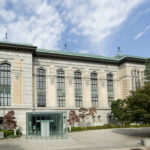
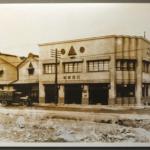
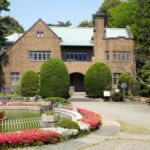
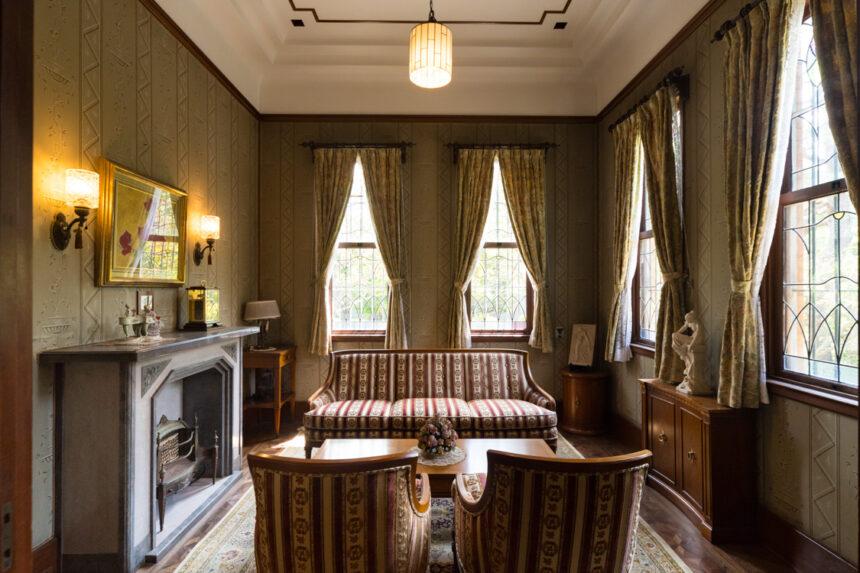
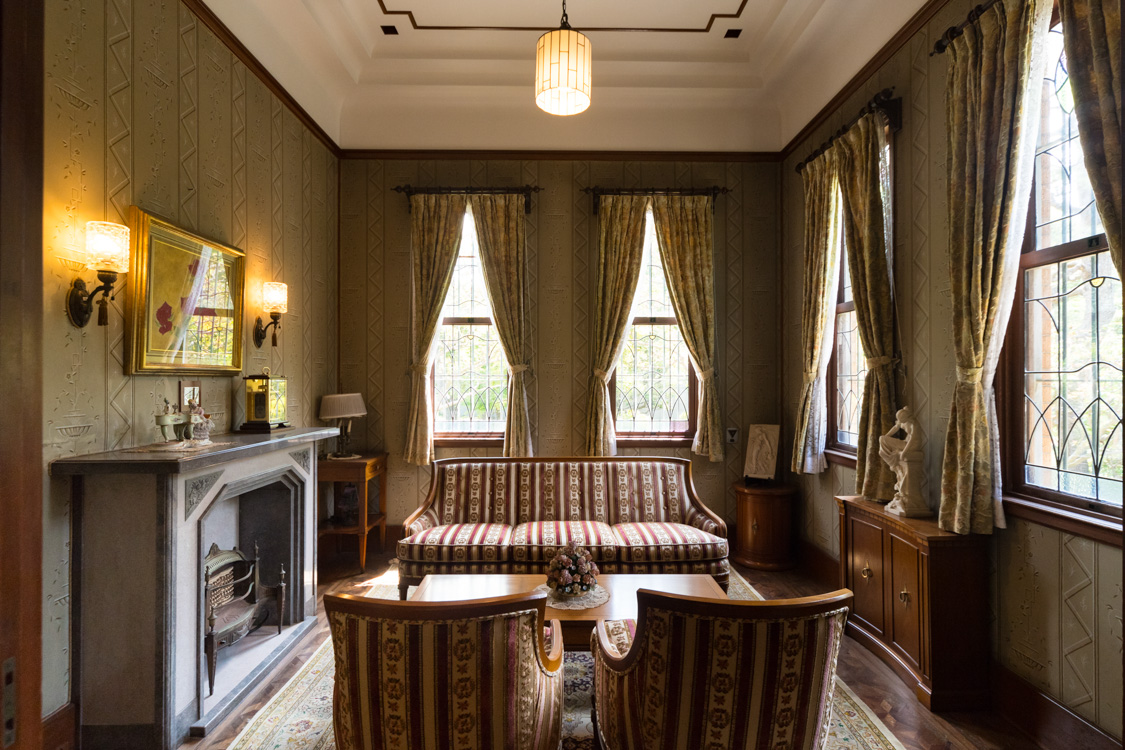
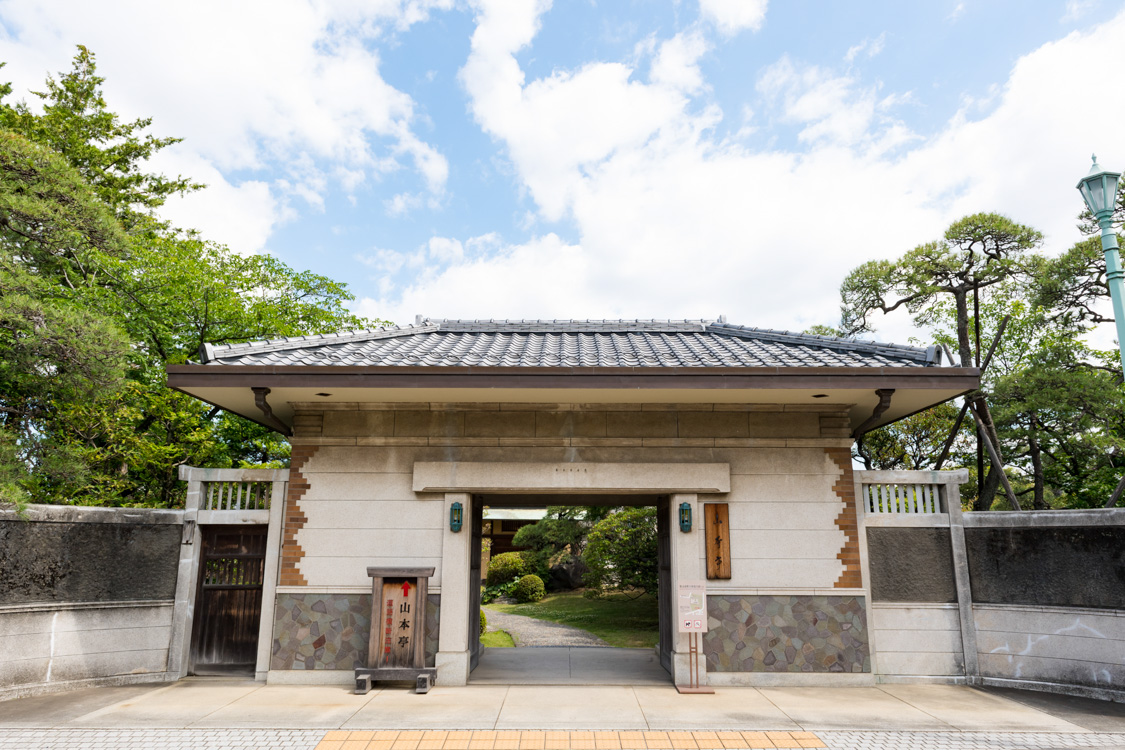
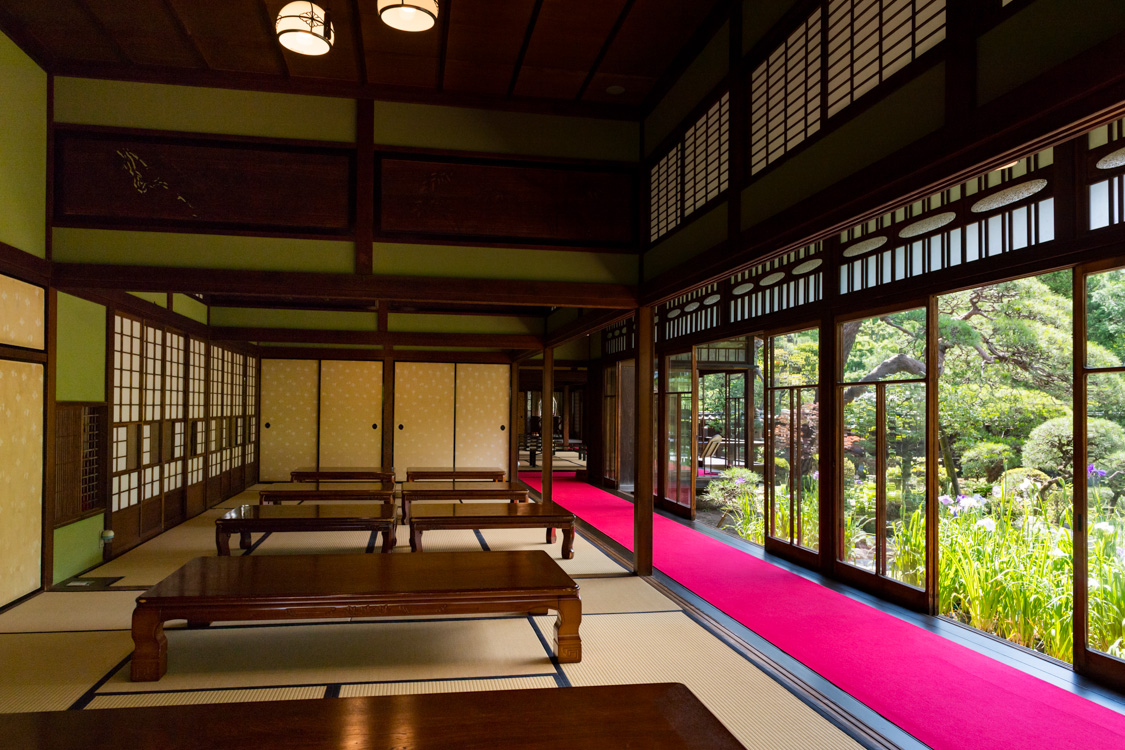
Yamamoto-tei is characterized by a blend of Japanese and Western architecture, incorporating Western features into a traditional shoin-style building. Built in the late Taisho Period as the residence of Einosuke Yamamoto, founder of the Yamamoto Factory (a camera parts manufacturer), the house was moved to Shibamata after the Great Kanto Earthquake of 1923, and was acquired by Katsushika City, where it has been open to the public since 1991. The house was extended and remodeled by the early Showa period (early 20th century), and the Western-style architecture that was popular at the time is combined in the Western-style guest rooms and nagayamon (row house gate). The Shoin Garden has been highly acclaimed overseas as well, being selected as one of the top gardens in the U.S. by a Japanese garden magazine. Visitors can also stop by the adjacent Tora-san Memorial Museum in Shibamata, Katsushika, and the Yoji Yamada Museum.

Spot OutlineOutline

address (e.g. of house) 7-19-32 Shibamata, Katsushika-ku, Tokyo
Access 8 minutes from Shibamata Station on the Keisei Kanamachi Line

phone 03-3657-8577
Business Hours 9:00〜17:00
regular closing day 3rd Tuesday of the month (or the weekday immediately following the 3rd Tuesday of the month if the 3rd Tuesday of the month falls on a national holiday), 3rd Tuesday, Wednesday, and Thursday in December
External Links

Official Web Site

Founding and opening of business Taisho period (1912-1926 CE)

新着・おすすめ情報

  1. Shimonotani Ruins Park (Higashifushimi, Tokyo)

  2. Meishu no Taki Park (Oji, Tokyo)

  3. Toyokawa Inari Tokyo Betsuin (Akasaka, Tokyo)

  4. What nutrients are contained in “buckwheat tea” that are good for the body?

  5. Jindaiji Temple (Chofu, Tokyo)

  6. stem

  7. Gansenen Park (Waseda, Tokyo)

  8. Ginza Suze Jizo Son (Ginza, Tokyo)

  9. Why is “Koinobori” carp? The reason is said to be based on Chinese folklore.

  10. Ebara Shrine (Shinagawa, Tokyo)

  11. manjuu

  12. Matsui Sake Brewery once closed. A closer look at the creative sake brewing process at the revived brewery.

  13. Takahata Fudo Kongoji Temple

  14. Kakurinji Temple (Shirokanedai, Tokyo)

  15. Hie Shrine (in Kyoto)