Zoshigaya Kishimojin Hall

temple (Buddhist)Ikebukuro/Akabane

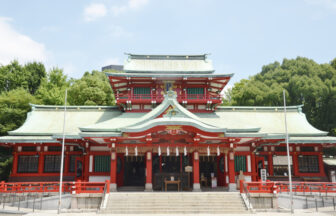
Zoshigaya Kishimojin Hall(Zoshigaya Kishimojindo Temple)

important cultural property

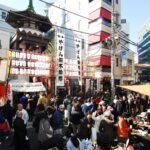
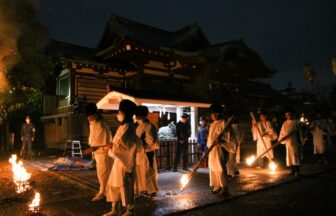
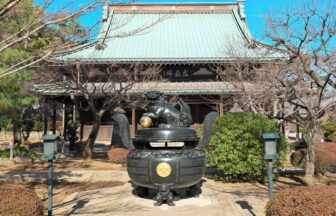
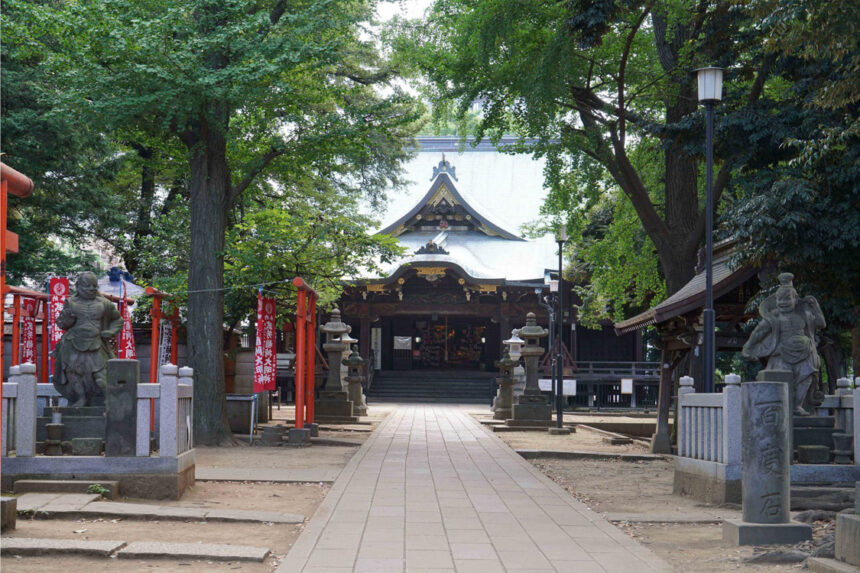
Located within the enclave precincts of Homyouji Temple of Nichiren Sect, this Buddhist temple enshrines Kishimojin, the god of safe childbirth and child rearing. It is said that the temple was founded in 1561 (Eiroku 4) during the Muromachi period (1336-1568), when a statue of Kishimojin was dug up in Kiyodo (present-day Mejirodai, Bunkyo-ku, Tokyo) and placed in the temple. After that, the temple was worshipped by the people, and in 1578, the villagers built a hall at the present location. The approach to the temple is lined with old zelkova trees, and the precincts are home to Takeyoshi Inari Hall, a landowner deity, and a large 700-year-old ginkgo tree, as well as Daikokuten, one of Zoshigaya’s seven gods of good fortune. Every year in October, the town comes alive with the large-scale “Gokaishi Grand Festival,” which has been held since the Edo period (1603-1868).

The character for “demon” in Kishimojindo is correctly written without the “no” (horn) in the first stroke.

Spot OutlineOutline

address (e.g. of house) 3-15-20 Zoshigaya, Toshima-ku, Tokyo
Access 5 minutes from Zoshigaya Subway Station, 5 minutes from Kishimojin-mae Station on the Toden Arakawa Line, 15 minutes from JR Ikebukuro and Mejiro Stations

phone 03-3982-8347
Business Hours 9:00-17:00 (10:30-16:30 for Daikoku-do)
regular closing day without a holiday
External Links

Official Web Site

Founding and opening of business 1578 (Tensho 6)

新着・おすすめ情報

  1. Manners for Year-End Gifts for 2023: 3 recommended products and notes on when and how to give them.

  2. Sticking to domestically produced raw materials, each tooth is spun by hand. The commitment of the long-established “Juso Yakushi-ten” (Juso Yakushi Shop)

  3. Interview with Kotaro Ishikawa of Ishikawa Tortoiseshell Works, a company that connects traditional Edo tortoiseshell techniques and further promotes the Edo Tokyo brand .

  4. long-sleeved kimono

  5. eel and cucumber salad, finely sliced, dressed in sake, soy, and vinegar

  6. What nutrients are contained in “buckwheat tea” that are good for the body?

  7. Kanto style and Kansai style (broiled eel)

  8. Eating Doze soup every day to check the taste. The current owner of Komagata Dozeu, a famous restaurant that has been in business since the Edo period, demonstrates his commitment to preserving the taste of his products.

  9. What does a “prop maker” do? The Craftsman Who Creates Puppets Series

  10. Shukusen, a dyed kimono store for yukata and Edo komon. What is the pride and confidence in the words “Shukusen Kansei”?

  11. gore

  12. Umezono, a long-established sweet shop in Asakusa. Reaching out to the next generation with innovative ideas and SNS development that are “Eiyoe” (picture-perfect).

  13. mochi containing red bean paste

  14. Jiyu Gakuen Asutumu-kan (Ikebukuro, Tokyo)

  15. Shortcakes, pancakes and afternoon tea. A beautiful way to eat sweets.