

temple (Buddhist)Iidabashi/Kagurazaka
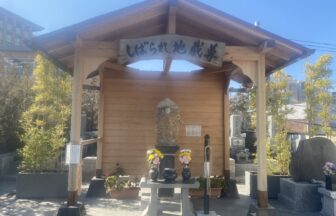
Zenkokuji Temple (Kagurazaka, Tokyo)(Zenkokuji-Temple)
third sign of Chinese zodiac (The Tiger, 3am-5am, east-northeast, January)Vaisravana (guardian god of Buddhism)Kagurazakasowing beans (or pulses, etc.)
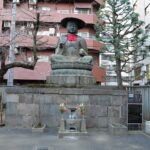
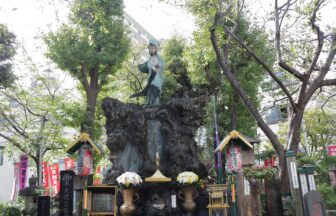
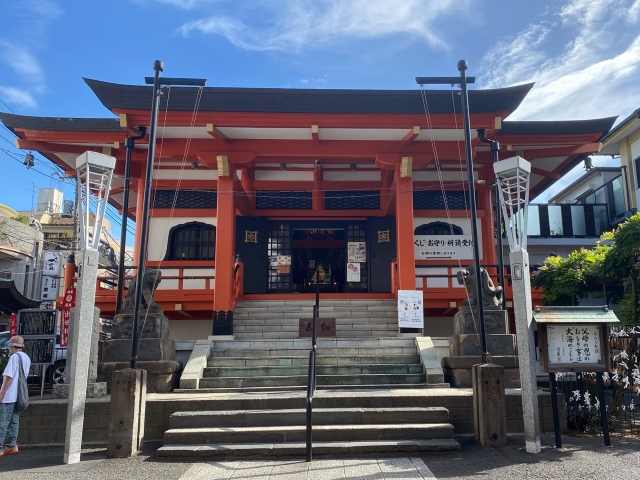
Zenkokuji Temple is a Nichiren Buddhism temple founded in 1595 during the Azuchi-Momoyama period. It was originally located in Nihonbashi Bakuro-cho, but due to repeated fires, it was moved to Kagurazaka in 1792, where it remains to this day. The main deity, Bishamonten, was worshipped as “Kagurazaka no Bishamon-sama” in the Edo period (1603-1867) and was called the “Edo Sanbishamon” along with Shiba Shodenji Temple and Asakusa Shoboji Temple. Today, it is one of the seven gods of good fortune in Shinjuku Yamanote. It is also unique in that instead of guardian dogs, statues of A-Un tigers (stone tigers) are placed on both sides of the entrance to the main hall. There are also many annual events, such as the Setsubun Bean-throwing Ceremony in February, the Hana-Matsuri (Flower Festival) in April, and the Houroku Kyu (moxibustion) during the summer Doyou period, a spell that has been practiced since the Edo period.
Spot OutlineOutline
| address (e.g. of house) | 5-36 Kagurazaka, Shinjuku-ku, Tokyo |
|---|---|
| Access | 7 minutes from JR Iidabashi Station, 5 minutes from Subway Iidabashi Station |
| phone | 03-3269-0641 |
| Business Hours | 9:00~18:00 |
| External Links | |
| Founding and opening of business | 1595 (Bunroku 4) |