bones left after cremation (esp. those of a Buddha or Boddhisatva)

sushi

bones left after cremation (esp. those of a Buddha or Boddhisatva)(SYARI)

misjudgementvinegared rice rolled in nori (laver)

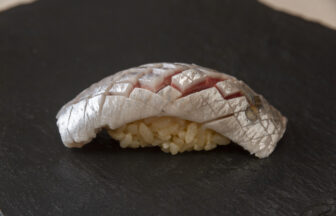
Sushi rice or sushi rice used for sushi. It can also refer simply to white rice. The origin of the name is said to come from the Buddhist term “shari,” which means “to cut” when mixing rice and sushi vinegar. Shari means the cremated “bones of Buddha,” and it is said that the rice came to be called “shari” because the white and small size of the finely crushed remains resembles a grain of rice.

新着・おすすめ情報

  1. method of patterning traditional Japanese clothing (the tops of all of patterns being pointed downwards)

  2. ratio indicating the quantity of polished rice gained from a given quantity of brown rice (nowadays usually expressed as a percent)

  3. Setagaya Daikan Yashiki

  4. Types of “Hina Dolls.” What are the characteristics of their costumes?

  5. soba cup

  6. Why display “Armor Decorations” on Dragon Boat Festival. Armor is not for fighting…

  7. pure silk

  8. noodles with duck meat and Welsh onions

  9. 【第25回】七十五という数字にまつわる蕎麦の話

  10. glutinous rice steamed with red beans or some other ingredient

  11. 【第3回】蕎麦の香りを楽しめる蕎麦メニューとは

  12. unlined kimono

  13. sake brewed without addition of saccharides and no more than 120 litres of seed alcohol per tonne

  14. Chimaki” eaten on Dragon Boat Festival. What is the origin of the name?

  15. Tokyo Station Hotel (Marunouchi, Tokyo)