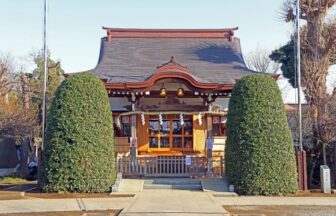
Myohoji Temple (Higashi Koenji, Tokyo)

temple (Buddhist)Kichijoji, Suginami

Myohoji Temple (Higashi Koenji, Tokyo)(Myouhouji-Temple)

warding off evilwalkdisease curemarriageimportant cultural property

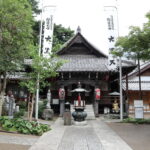
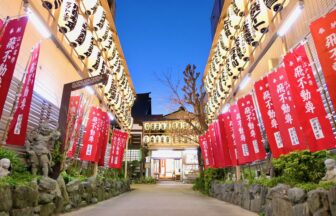
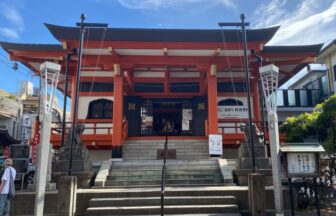
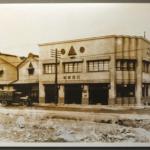
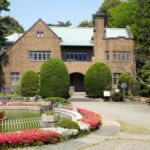
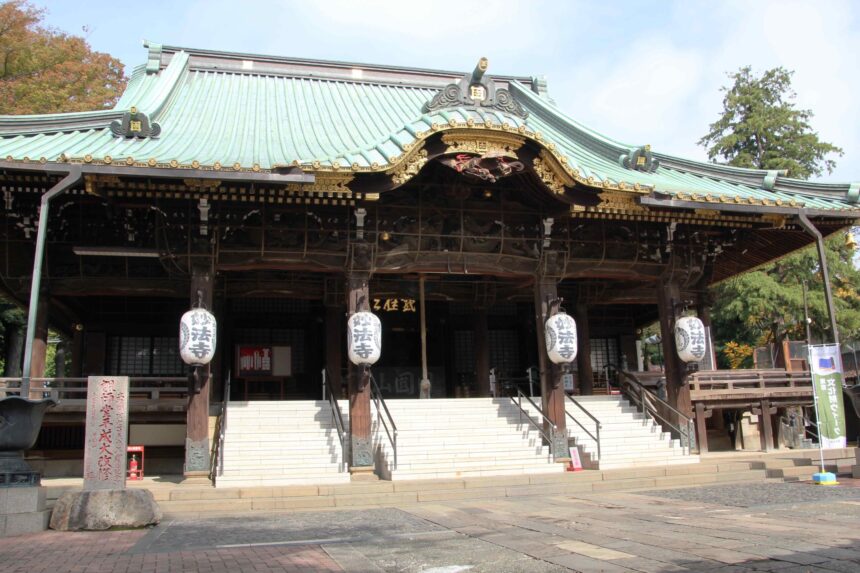
Originally a nunnery of the Shingon sect, the temple was converted to the Nichiren sect by Priest Nichien. The temple has been worshipped since the Edo period as “Yakuyakuwari Soshi” (the ancestor to ward off evil), and is still popularly called “Ososu-sama” today, with many valuable buildings such as the Niomon Gate, which welcomes visitors with a statue of Kongorikishi, donated by the 4th shogun Tokugawa Ietsuna, the gorgeous Soshidoho, which houses a statue of the founder, and the Iron Gate (National Important Cultural Property) designed by Josiah Condor, an architect who established the foundation of modern architecture in Japan. The temple is also home to a number of valuable buildings. Within the spacious precincts of the temple, there is also the Nijusanyado Hall, which is said to bring good luck and fortune, the Nichodo Hall, which is believed to be a guardian of academics and healing of eye diseases, and the Jogyodo Hall, where the statue of Jogyodo is washed to pray for healing from illness.

Spot OutlineOutline

address (e.g. of house) 3-48-8 Horinouchi, Suginami-ku, Tokyo
Access 15 min. walk from Higashi-Koenji Subway Station, 13 min. walk from Shin-Koenji Subway Station

phone 03-3313-6241
Business Hours 6:00 – 16:30 (opening hours from September 23 to March 20)
5:30 – 17:00 (opening hours from March 21 to September 22)
regular closing day nashi (Pyrus pyrifolia, esp. var. culta)
External Links

Official Web Site

Founding and opening of business Genna period (1615-1623)

新着・おすすめ情報

  1. Seppuku monaka” and “Keikyuu monaka” …… “Shinshodou” produces wagashi that are both humorous and delicious.

  2. The same manufacturing method since the establishment of the company. Interview with Satoru Nakamura, the 7th generation of Shirokiya Nakamura Denbei Shoten, who weaves Edo brooms using craftsmanship passed down from generation to generation .

  3. What is “Uguisumochi”? Which season is it?

  4. buckwheat mash (buckwheat flour in hot water served with shoyu)

  5. Kimuraya Sohonten, a long-established bakery that has inherited the beliefs of its predecessors and predecessors and continues to preserve its taste.

  6. Shinjuku Gyoen

  7. Uiro

  8. dried confectionary

  9. Oji Shrine (Oji, Tokyo)

  10. Ryugenji Temple (Kameido, Tokyo)

  11. Where does the name “Sakura Denbu” come from? How is it made?

  12. Samurai dolls” for Dragon Boat Festival. When did they come to be displayed?

  13. long-sleeved kimono

  14. common variety of women’s kimono sash

  15. Philosophical Hall Park (Araiyakushi, Tokyo)