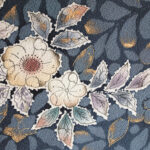
semi-formal kimono for women

Japanese clothing

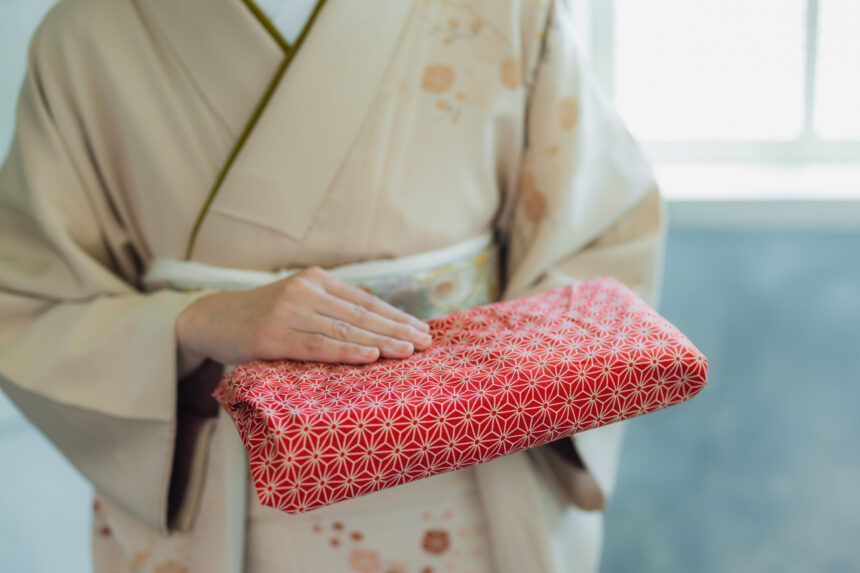
semi-formal kimono for women(houmongi)

Japanese clothesclothing

This kimono can be worn from formal to casual, regardless of age or marital status. The kimono is decorated with an eba pattern that connects all the patterns on the shoulders, chest, sleeves, waist, and hem. The patterns range from classic to modern abstract, and there are no particular rules. From around the end of the Taisho period (1912-1926), it was made as a going-out kimono and came to be called a visiting kimono. It is second in rank to tomesode and is considered semi-formal or informal formal wear. It can be worn for New Year’s Day, New Year’s tea ceremonies, recitals, theater and music concerts with friends, and other occasions.

新着・おすすめ情報

  1. 京都でも最古の歴史を持つ「松井酒造」。日本酒づくりを軸に展開する、革新的な取り組み

  2. Ueno, Yanaka, Nippori

  3. Oji Shrine (Oji, Tokyo)

  4. Kanto style and Kansai style (broiled eel)

  5. Nara Ningyo” is characterized by the powerful touch of a single sword digging. What is the meaning behind it?

  6. beef sinew stewed in miso and mirin

  7. Chomeiji Temple (Mukojima, Tokyo)

  8. Habutae mochi

  9. Tokyo Resurrection Cathedral (Nikolaidō Hall)

  10. Long-established souvenirs to buy in Asakusa! 6 recommendations including famous Japanese sweets [Food].

  11. Shortcakes, pancakes and afternoon tea. A beautiful way to eat sweets.

  12. To make swords a part of our daily lives. The future of swords is the goal of Nihon Katana, a long-established sword specialty store.

  13. Tokyo Literature Walk] No.3: Waseda Area. Soseki Natsume and Waseda University, a journey tracing the scent of modern literature and culture

  14. Manners for visiting shrines and temples: money offering, how to pray, how to get a red seal, etc.

  15. Horikirishobuen (Horikiri Shobuen, Tokyo)