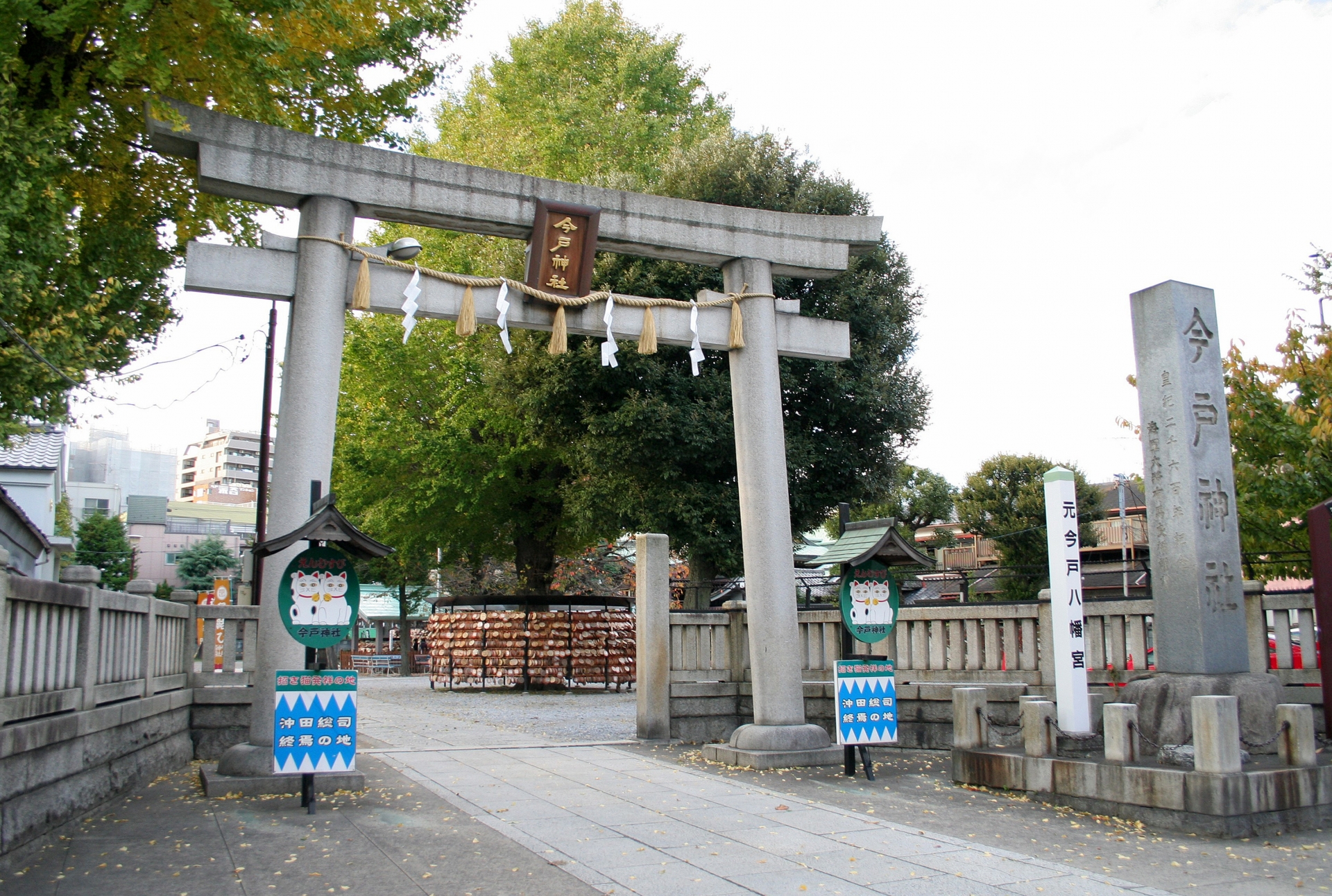
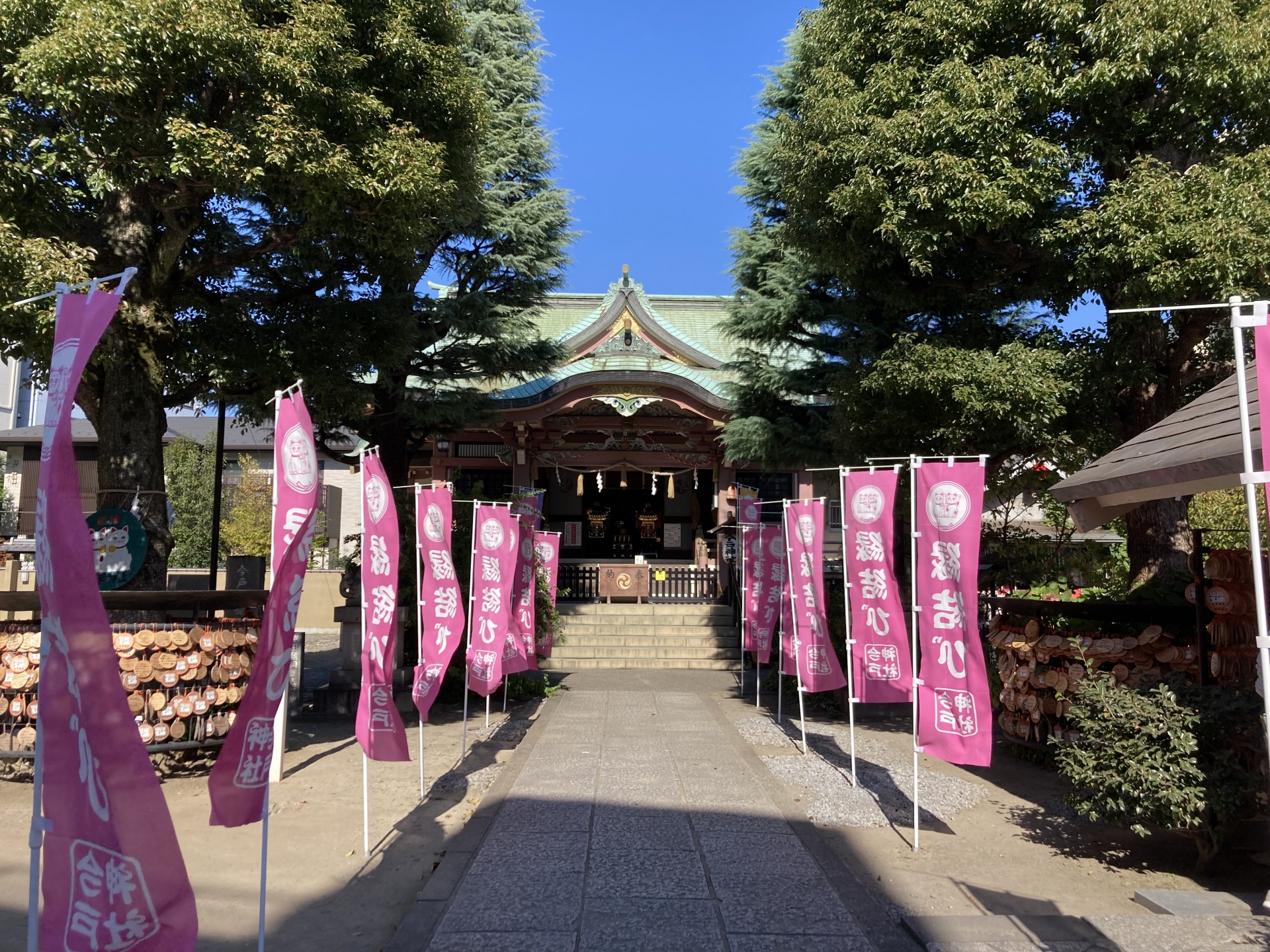
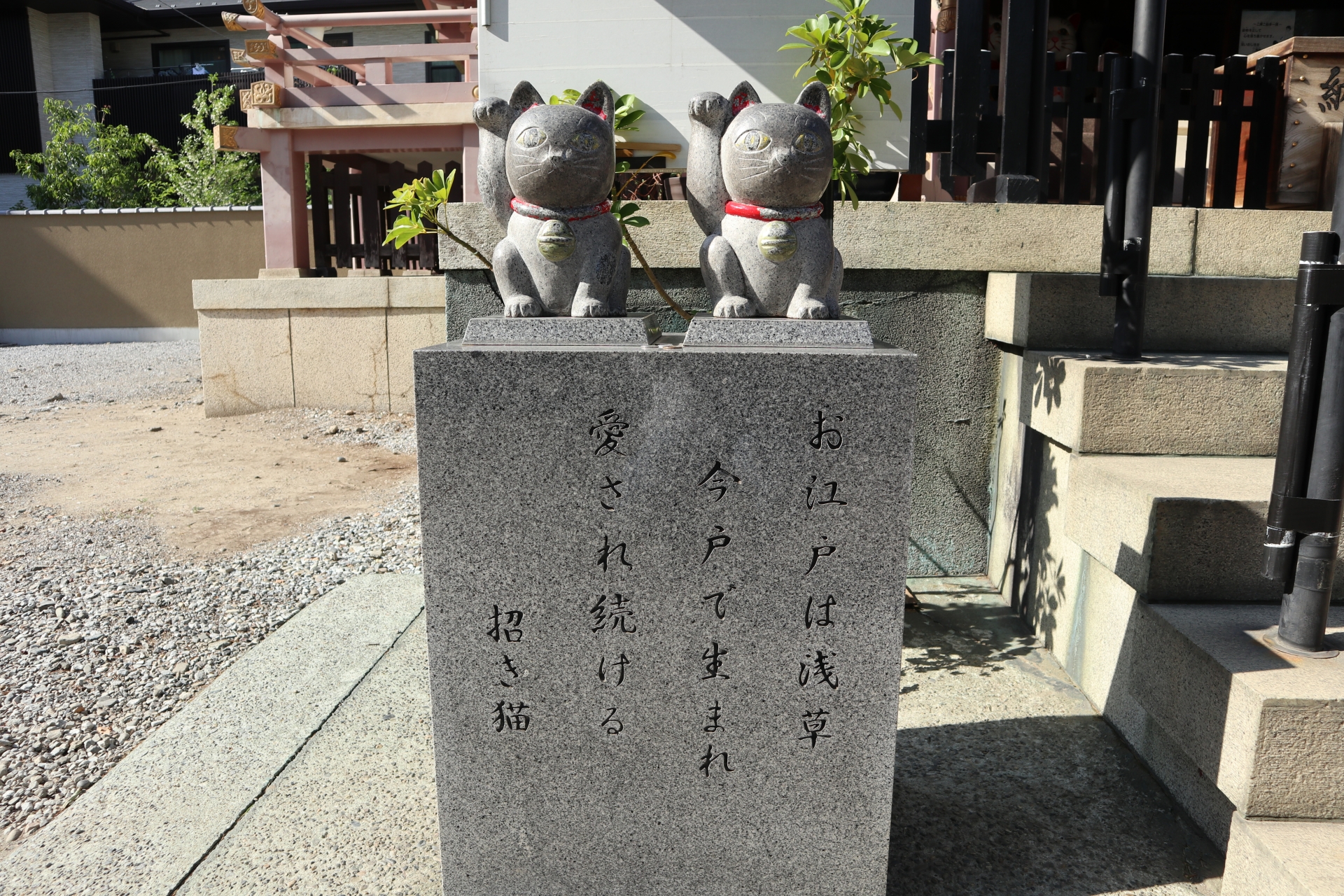
Imado Shrine (Asakusa, Tokyo)

Shinto shrineAsakusa (department store)

Imado Shrine (Asakusa, Tokyo)(Imado Jinjya)

Imado (part of Edo) unglazed porcelainfigure of a cat with one paw raised (usu. white porcelain)catmarriage

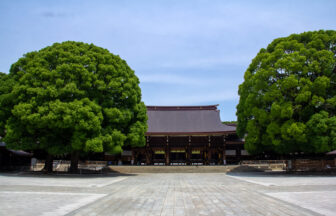
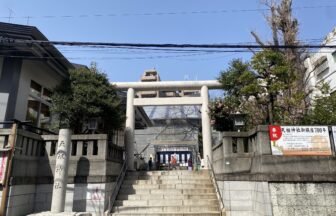
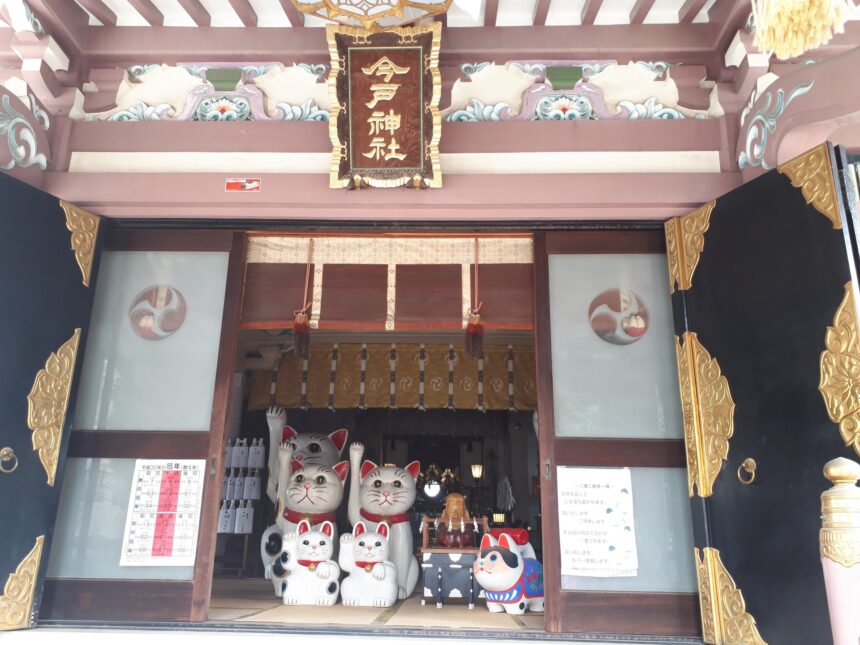
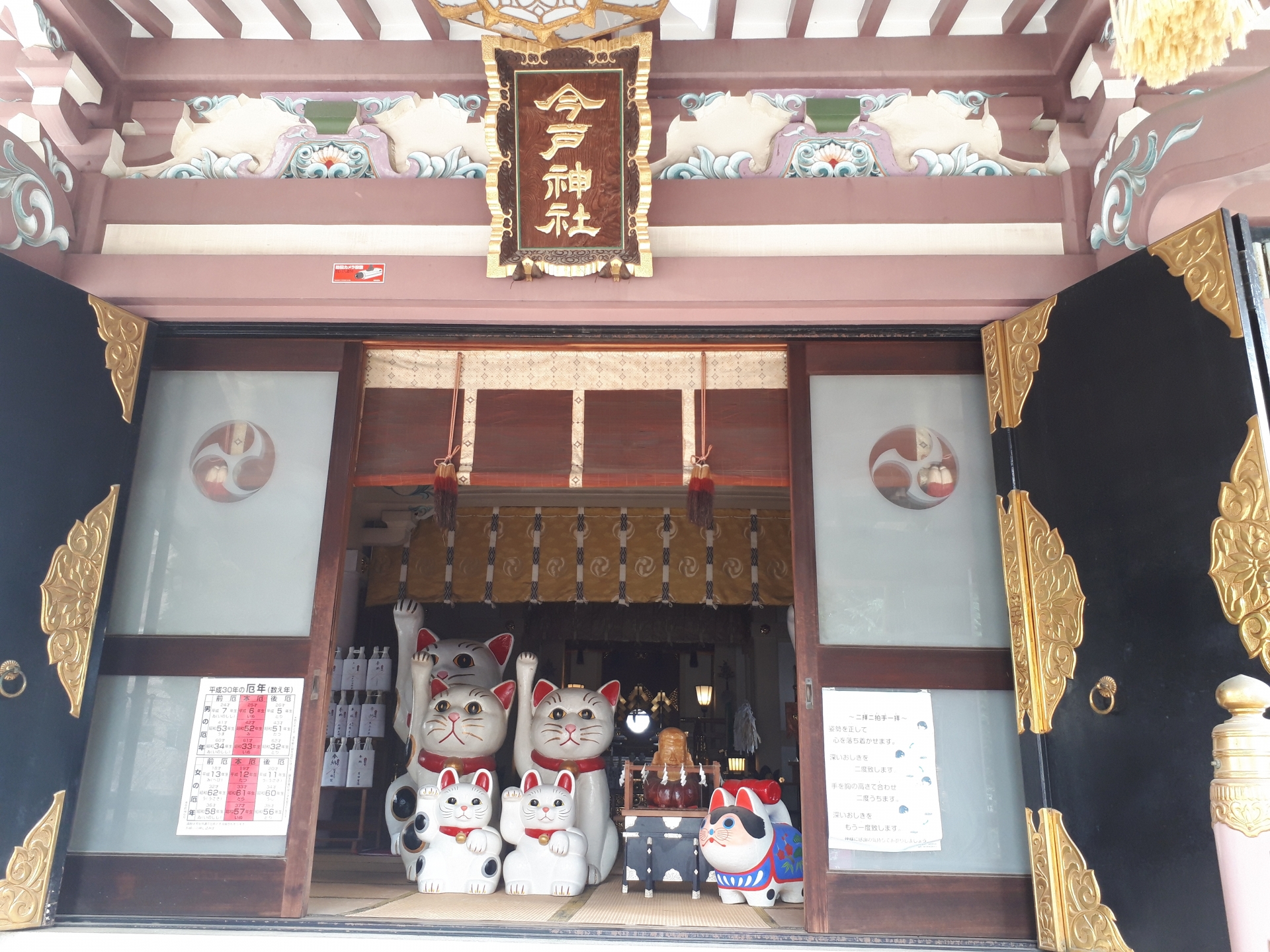
The shrine is dedicated to Izanagi no Mikoto and Izanami no Mikoto, the first married couple in Japan, and is famous for marriage. It is said that if you stroke the two “stone cats” next to the main shrine, you will receive good fortune. In the past, Imado-yaki pottery was widely produced in the area, and many beckoning cats were also produced. For this reason, Imado Shrine is said to be the birthplace of beckoning cats, and many beckoning cats can be seen on the shrine grounds. If you are lucky, you may be able to meet “Nami,” a white cat that is a “living beckoning cat” that lives nearby. Cat charms and red seal books are also available for purchase, making the shrine a popular destination for cat lovers.

Spot OutlineOutline

address (e.g. of house) 1-5-22 Imado, Taito-ku, Tokyo
Access 15 minutes from Asakusa Subway Station

phone 03-3872-2703
Business Hours 9:00~16:00
External Links

Official Web Site

Founding and opening of business 1063 (Kouhei 66)

新着・おすすめ情報

  1. sweet burdock and miso-bean paste covered with a thin layer of mochi

  2. straight sword

  3. What is the origin of “May dolls” displayed on Dragon Boat Festival?

  4. Kazari-uma” decorated on Children’s Day. What kind of vehicle is the white horse considered to be?

  5. You can do it by yourself! How to tie a yukata obi – Butterfly knot

  6. What is the difference between “Ginjo-shu” and “Junmai Ginjo-shu”? Words related to sake

  7. Ginza Matsuzaki Senmochi, a long-established shop, depicts tradition and innovation with its signature product “kawara senbei” (tile rice cracker).

  8. 【第22回】お寺とお蕎麦の切っても切れぬ関係

  9. Fuzoku ningyo” are dolls that reflect the customs of various regions in Japan. There are Edo genre dolls, Kyoto dolls, etc.

  10. Matsui Sake Brewery once closed. A closer look at the creative sake brewing process at the revived brewery.

  11. Manners for visiting shrines and temples: money offering, how to pray, how to get a red seal, etc.

  12. What does “Sarashina (soba)” mean and where did it originate?

  13. Railroad starting point 0 leagues sign (Shinbashi, Tokyo)

  14. Yamamoto-Tei (aristocratic group of pious men)

  15. Hatomori Hachiman Shrine (Sendagaya, Tokyo)