gore

Japanese clothing

gore(Okumi/okumi)

Japanese clothesclothing

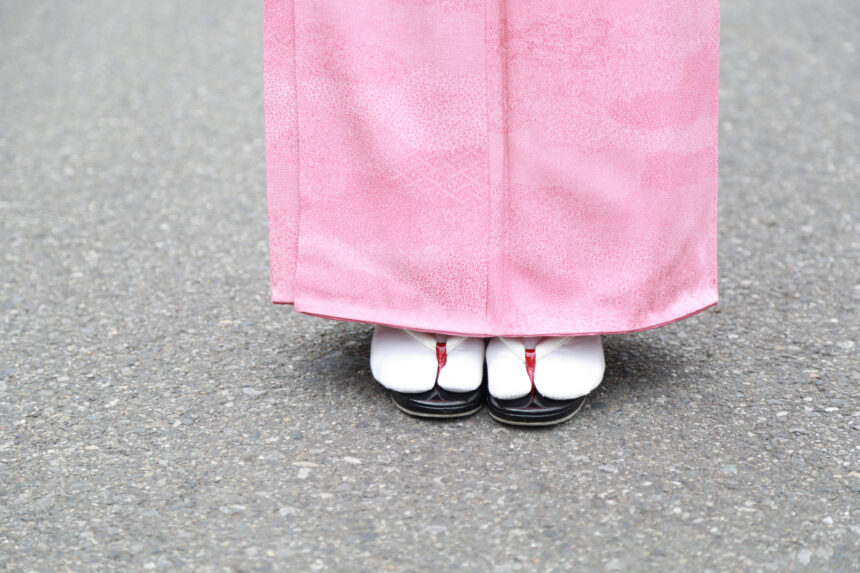
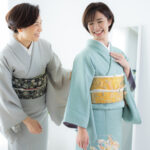
A narrow, half-width (approximately 15 cm) piece of cloth sewn from the collar to the hem on the left and right fronts of the kimono. By attaching gussets, the width of the body is widened, making it easier to wear. It also serves as a marker when overlapping the left and right body parts. Originally, it was called “Okubi. Okubi” means “collar,” and “oryo” means “large collar. The word gradually changed and came to be called “okumi.

新着・おすすめ情報

  1. Itsukaichi Constitution Draft Monument (Akiruno, Tokyo)

  2. 銀座

  3. Yamamoto Nori Store, a long-established business with 170 years of history. The birthplace of “seasoned laver” talks about its commitment to flavor.

  4. man’s formal divided skirt

  5. Hakata doll

  6. Kimono can be re-tailored and reused as a haori or obi. Kimono is the ultimate SDGs costume.

  7. Katsusenji Temple Enma Opening in Kitasenju! A New Year’s tradition with stalls on the first Enma day

  8. Ruins of Kirishitan residence (Myogadani, Tokyo)

  9. sweet dumpling made with mochi flour and (sometimes) millet flour (famous product of Okayama)

  10. Shofukuji Temple (Higashimurayama, Tokyo)

  11. Manju, Monaka, Daifuku, etc.: Manners for Eating Wagashi without Worrying about Public Appearances Anymore

  12. well-established

  13. combined off-license and pub (licence)

  14. Tokyo Literature Walk] No.3: Waseda Area. Soseki Natsume and Waseda University, a journey tracing the scent of modern literature and culture

  15. Otakanomichi and Masashino-ike Spring Group