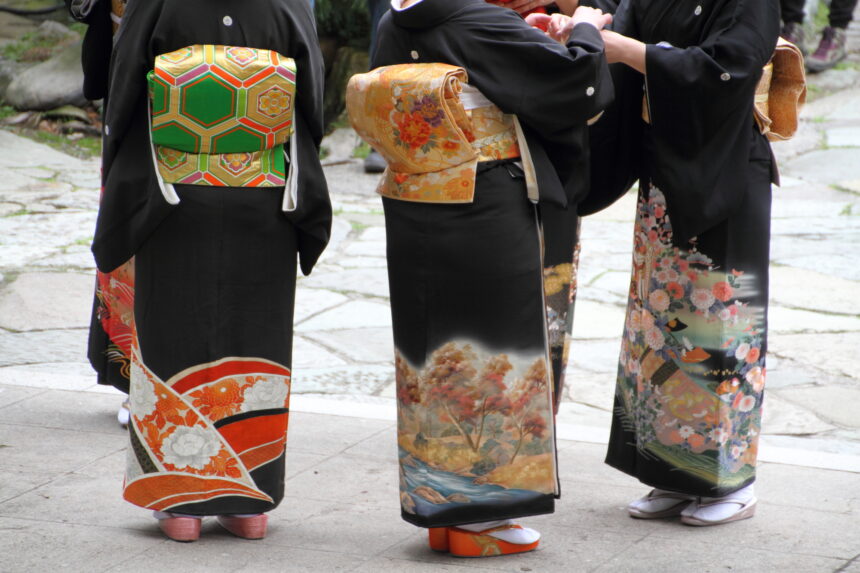
single pattern on the entirety of a garment

Japanese clothing

single pattern on the entirety of a garment(ebamoyou)

Japanese clothesclothing

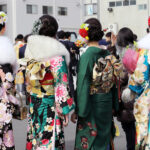
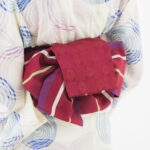
A pattern that is connected across the seams of a kimono’s back, sides, collar, sleeves, etc. When hung on a kimono girdle, it looks like a single piece of artwork. When hung on a garment rack, it looks like a single picture. The white fabric is temporarily tailored into a kimono, a rough sketch is drawn on it, and then the kimono is untied and dyed according to the rough sketch. This dyeing technique is very time-consuming and requires a high level of skill. It can be used for formal and semi-formal attire such as furisode, haori, visiting kimono, and tomesode.

新着・おすすめ情報

  1. guard on sword, polearms, etc.

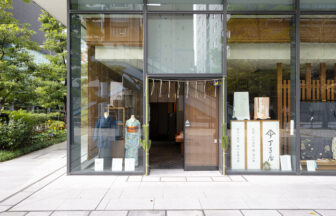
  2. Eitaro Fuhonshop located at the foot of Nihonbashi Bridge. Traditional techniques and a desire to “create new wagashi

  3. Shimotani Shrine

  4. What does a “Hands and Feet Master” do? The series of craftsmen who make dolls

  5. To make Japanese “tea culture” widely known. Flexibility of “Gyokuho-Do” to change with the times.

  6. Tsutanoya” was established in 1937 and supports Japan’s fish-eating culture with its delicious taste. What is “Kyoka-zuke”, an evolution of Saikyo-zuke?

  7. Ruins of Isamu Kondo’s birthplace (Chofu, Tokyo)

  8. Why do we need Bonbori? Decorating Hina Dolls

  9. gelidium jelly strips (made from agar-agar)

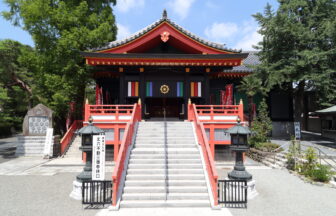
  10. Gokokuin Taisenji Temple (Meguro Fudo Temple)

  11. Edo-Tokyo Open-Air Architectural Museum (Koganei, Tokyo)

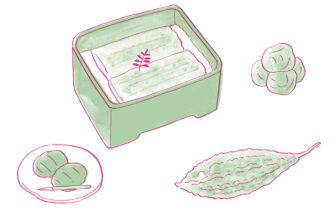
  12. Habutae mochi

  13. 【第19回】家庭でも美味しく乾麺の蕎麦を茹でる方法

  14. Fuzoku ningyo” are dolls that reflect the customs of various regions in Japan. There are Edo genre dolls, Kyoto dolls, etc.

  15. kokeshi doll