Koami Shrine (Ningyocho, Tokyo)

Shinto shrineNihonbashi (bridge)

Koami Shrine (Ningyocho, Tokyo)(Koami-jinja (Koami-Shrine)

Seven Gods of Fortunewarding off evilBenten (goddess of arts and wisdom)walktall headed god of happiness, wealth, and long lifewashing the money (laundering)

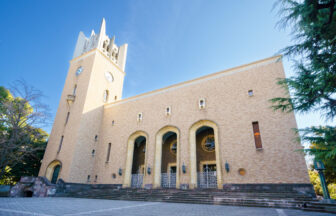
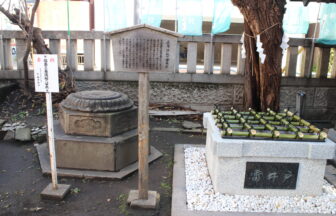
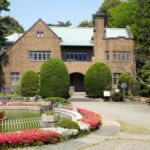
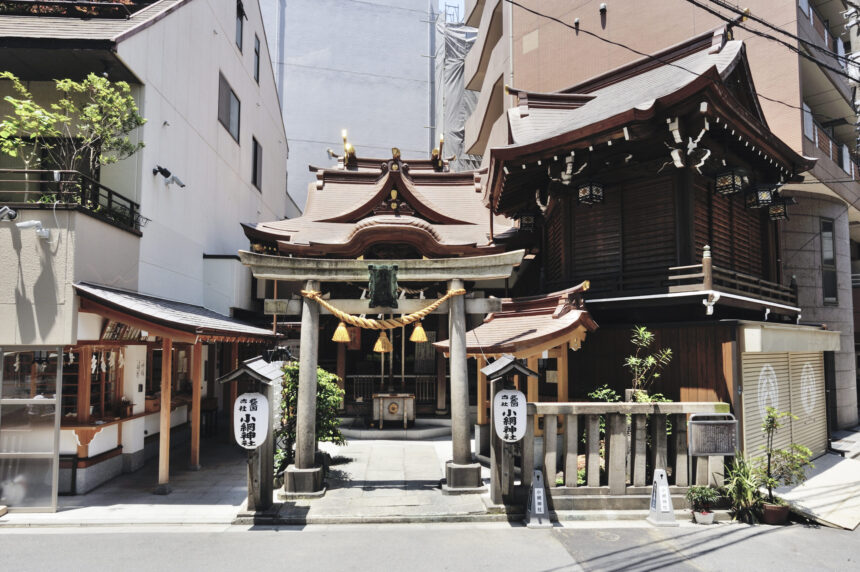
It is said that the origin of this shrine dates back to 1466, when Inari Daijin was enshrined and an epidemic was quelled. In 1929, Komasaburo Naito, a master carpenter who served as chief engineer for the construction of Meiji Shrine, built the shrine and Kaguraden (music and dancing hall). It is the only remaining prewar wooden shrine building in the Nihonbashi area, and features magnificent carvings of “ascending dragons” and “descending dragons. There is also a statue of Benzaiten, a statue of Fukurokuju, one of the seven gods of good fortune of Nihonbashi, and a “sen-arai-benten” (well for washing money), and it is popularly known as “Tokyo sen-arai-benten,” which brings good luck for money.

Spot OutlineOutline

address (e.g. of house) 16-23 Koamicho, Nihonbashi, Chuo-ku, Tokyo
Access 5 min. walk from Subway Ningyocho Station, 10 min. walk from Subway Suitengumae Station

phone 03-3668-1080
regular closing day nashi (Pyrus pyrifolia, esp. var. culta)
External Links

Official Web Site

Founding and opening of business 1466 (first year of Bunsho era)

新着・おすすめ情報

  1. Japanese dessert consisting of two slices of kasutera (sponge cake) with red bean jam in between

  2. sake specially produced without added alcohol or sugar

  3. Hamarikyu Gardens

  4. metal collar mounted between a sword blade and the hand guard

  5. Namikaze Shrine (Tsukiji, Tokyo)

  6. Koishikawa Botanical Garden

  7. Tokyo’s “Furyu Odori” is the talk of the town since it was selected as a UNESCO Intangible Cultural Heritage site! Tokyo’s “Furyu Odori” gathers in large numbers! Report on Tokyo Folk Performing Arts Festival

  8. Abiru Shrine (Akiruno, Tokyo)

  9. What is the custom of Nagashi Hina? [Words of Hinamatsuri

  10. Gotokuji Temple (Setagaya, Tokyo)

  11. When did “taru-shu” begin to be made? Words related to sake

  12. make

  13. Improving operations is the only way to face customers. What Ginza Mikawaya, a long-established Western-style restaurant in Ginza, values

  14. What is Dragon Boat Festival?

  15. What are the characteristics of “Yamada-Nishiki” rice for sake brewing? Words related to sake